
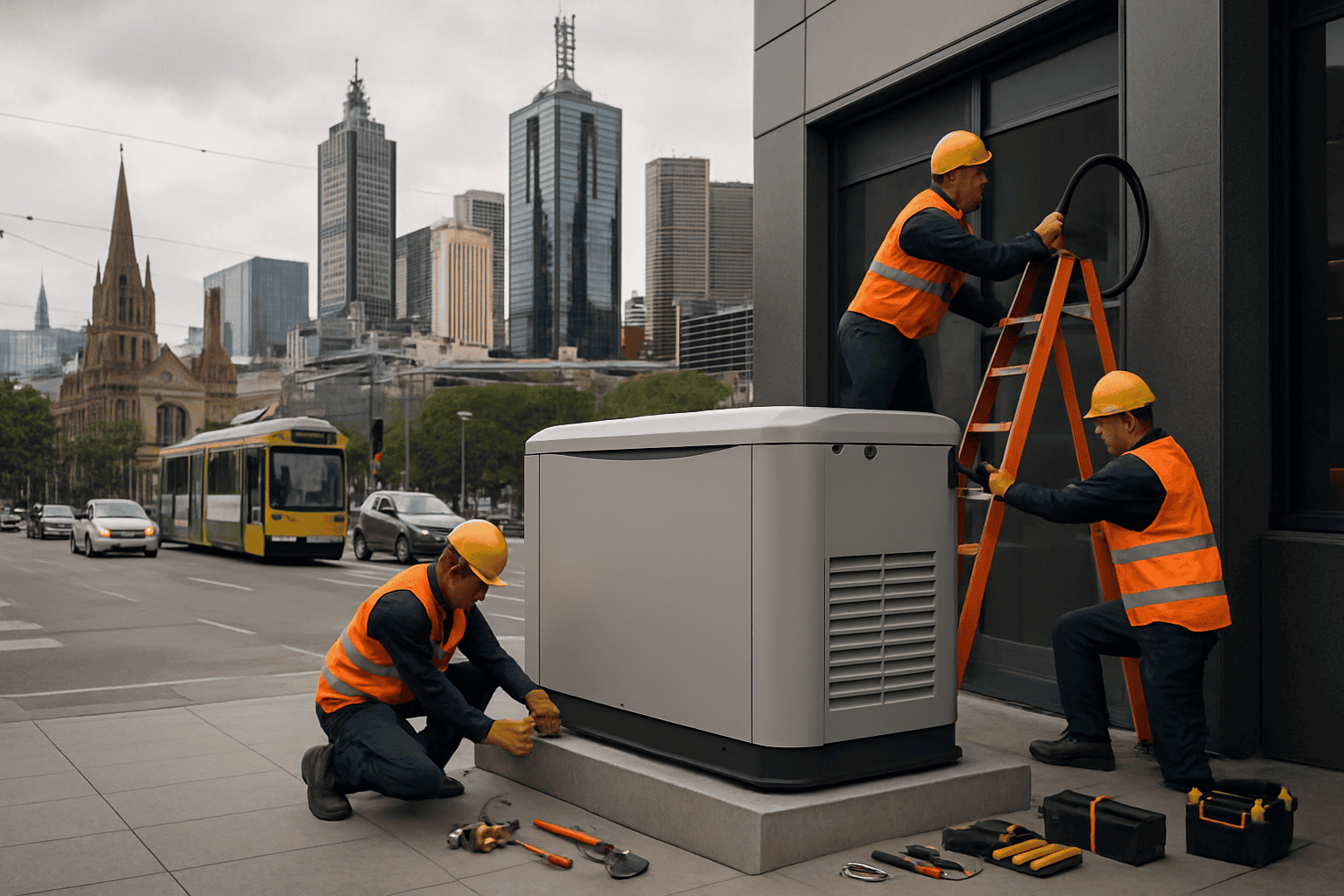
Why Your Business Needs Emergency Power Systems
Understanding Emergency Power Systems
Features and Benefits of Backup Generators in Melbourne
Practical Tips for Choosing the Right Commercial Electrician
Local Regulations, Codes, and Best Practices in Melbourne
Preparing Your Business for Generator Installation
Benefits of Partnering with Local Melbourne Experts
Common Challenges and How to Overcome Them
The Future of Emergency Power Systems: Trends to Watch
FAQs: Everything You Need to Know About Emergency Power Systems in Melbourne
Conclusion: Secure Your Business with the Right Emergency Power System
Emergency Power Systems Melbourne: Backup Generator Installation
When you run a small business in Melbourne, every minute of downtime due to a power outage can mean lost revenue, wasted resources, and unhappy customers. That’s why having a reliable emergency power backup is not just a luxury, but a necessity. In today’s blog post, we’ll dive deep into the world of emergency power systems in Melbourne, with a particular focus on backup generator installation. We’ll explore why this investment is critical, the features and benefits of modern systems, tips for selecting and working with commercial electrical contractors, and the local regulations you need to know. So, whether you’re new to the idea of power redundancy or you’ve already started looking into backup power options, read on for everything you need to keep your business running smoothly even when the grid fails.
Why Your Business Needs Emergency Power Systems
The High Stakes of Power Outages
Every business owner in Melbourne knows that power outages aren’t just inconvenient—they can be catastrophic. Whether you’re running a retail store, an office, or an industrial facility, the loss of electricity can disrupt operations, damage critical systems like data centers, and throw off production schedules. In our bustling city with its diverse commercial needs, ensuring the continuity of operations is paramount. Emergency power backup systems are designed to provide a seamless transition during these events, ensuring there’s no interruption in your day-to-day business activities.
Keeping Business Continuity Intact
Emergency power isn’t only about keeping the lights on; it’s about safeguarding your bottom line. In a competitive environment like Melbourne, unexpected halts due to power failures can cause:
- Financial losses from halted operations.
- Data loss or corruption in critical IT systems.
- Decreased customer satisfaction as services become unreliable.
- Safety risks, especially in environments where heavy machinery or sensitive equipment is in use.
By investing in high-quality backup generators, your business not only meets operational challenges head-on but also demonstrates a commitment to reliability and professionalism.
Understanding Emergency Power Systems
What Are Emergency Power Systems?
Emergency power systems, often referenced using terms like emergency power backup, industrial backup power, or standby power systems, include a range of technologies designed to ensure continuous power supply during an outage. The most common among these are backup generators, which can come in various forms:
- Diesel Generators: Reliable for long-duration outages, commonly used in industrial and high-demand environments.
- Natural Gas Generators: Ideal for urban areas like Melbourne due to cleaner emissions and lower operational costs.
- Battery Backup Systems: Often integrated with solar backup power, these ensure instant power delivery for critical systems.
- Uninterruptible Power Supplies (UPS): Provide short-term power to bridge the gap between outage and generator startup.
How Backup Generator Installation Works
Installing a backup generator involves several key steps:
- Assessment and Planning: A qualified electrician or generator specialist will conduct an emergency power assessment of your premises. This involves determining the power requirements, identifying critical loads, and evaluating the best site for installation.
- Size and Specification: Based on your business’s needs, your generator’s capacity is carefully sized using generator sizing specialists. This ensures that the system can handle peak loads and that there’s no risk of overloading during a power failure.
- Compliance and Permitting: In Melbourne, like the rest of Australia, local codes and regulations require strict adherence to safety and environmental guidelines. Your installation must align with the Australian Electrical Standards (AS/NZS 3000) and local council requirements.
- Installation: After all plans are approved, your chosen commercial electrician will install the generator. This process includes integrating automatic transfer switches that seamlessly connect the backup power supply during an outage.
- Testing and Maintenance: Once installed, the system needs regular testing and maintenance to ensure reliability. Regular generator maintenance in Melbourne by certified professionals is crucial to ensure your system is always operational.
Features and Benefits of Backup Generators in Melbourne
Key Features
- Automatic Transfer Switches (ATS): One of the standout features in modern emergency generator installations is the automatic transfer switch. This device ensures that when the main power supply fails, the generator kicks in immediately without any manual intervention. It provides a seamless transition, minimizing downtime and ensuring business continuity.
- Load Management Systems: Effective load management helps prioritize critical circuits and prevents overload. Modern backup generators come with sophisticated load management systems that allow you to designate specific areas or equipment as essential.
- Remote Monitoring and Control: Many commercial power outage solutions now include remote monitoring capabilities. This feature enables business owners to check on the status of their generator from anywhere, giving you peace of mind whether you’re in the office or on the go.
- Fuel Options and Flexibility: From diesel and natural gas to solar and battery backup, there’s a generator to suit every need. Local options like diesel generators in Melbourne often offer robustness, while natural gas generators provide clean and efficient alternatives.
- Scalability: As your business grows, your power needs may change. A well-designed emergency power system is scalable, meaning it can be upgraded or expanded as required, ensuring your business remains protected in the long term.
Benefits for Your Business
- Uninterrupted Operations: With emergency electricity backup, you eliminate the risk of costly downtime. This is particularly critical for businesses that operate 24/7 or rely on critical infrastructure such as data centers and manufacturing facilities.
- Enhanced Safety: In emergencies, safety is a top priority. Backup power systems ensure that essential safety systems, including emergency lighting and fire alarm systems, continue to operate during blackouts.
- Compliance with Local Regulations: Melbourne has strict standards for electrical installations to ensure public safety. A professionally installed backup generator ensures that you’re compliant with local electrical codes and standards, reducing the risk of fines or legal issues.
- Cost Savings: Although the initial outlay may seem high, the long-term benefits—such as avoided losses from downtime, safeguarded data, and reduced liability—make backup power a cost-effective investment.
- Peace of Mind: Knowing that your business has a reliable power contingency plan can relieve a great deal of stress, allowing you to focus on core business activities rather than worrying about what might happen during an unexpected outage.
Practical Tips for Choosing the Right Commercial Electrician
Finding a Reliable Service Provider
The success of your emergency power system depends largely on the expertise of the professionals you hire. Here are some practical tips to help you choose the right commercial electrician in Melbourne:
- Check Credentials and Certifications: Ensure that the electricians you consider have the appropriate licenses, certifications, and training in emergency generator installation. Look for qualifications in commercial electrical compliance and evidence of continual professional development.
- Look for Local Experience: A commercial electrician with years of experience working in Melbourne will be familiar with local codes, regulations, and the unique challenges of the region. They’ll know the ins and outs of Melbourne electrical emergencies and emergency generator installation best practices.
- Read Reviews and Testimonials: Word of mouth is crucial when it comes to electrical services. Look for customer testimonials, online reviews, and case studies detailing similar projects like backup generator installations and emergency power audits.
- Compare Multiple Quotes: Don’t settle for the first quote you receive. Get detailed quotes from several providers to ensure you’re getting a fair price for a system that meets your business needs. Pay attention to what’s included in their service—some may offer maintenance packages or remote monitoring as part of their installation.
- Ensure Comprehensive Warranties: A good commercial generator service provider will back their work with comprehensive warranties and ongoing support plans. Check if they offer periodic generator maintenance in Melbourne and post-installation support.
Questions to Ask Your Prospective Electrician
- What experience do you have with emergency generator installations for commercial properties in Melbourne?
- Can you explain the local codes and regulations related to emergency power systems?
- What type of maintenance program do you offer, and are there any service packages available?
- How do you approach generator sizing and load management for my specific business needs?
- Will you provide training on system operation and safety procedures after installation?
By asking these questions, you can ensure that your chosen commercial electrician not only understands emergency power systems but is also capable of delivering a solution that’s tailored to your business.
Local Regulations, Codes, and Best Practices in Melbourne
Compliance with Australian Electrical Standards
When it comes to installing emergency power systems in Melbourne, adherence to local regulations is crucial. Melbourne and wider Victoria require installations to be in compliance with the Australian/New Zealand Standard AS/NZS 3000, commonly referred to as the Wiring Rules, which sets out the minimum requirements for electrical safety in building installations. Key points include:
- Proper grounding and bonding.
- Safe separation of emergency and general power circuits.
- Using certified components that meet regulatory standards.
Permitting and Documentation
In Melbourne, any significant electrical installation, including backup generator setups, may require permits from local councils or state regulatory bodies. Here’s what you need to know:
- Ensure that your commercial electrician is certified and knowledgeable about local council requirements.
- Documentation, including load calculations, generator specifications, and the planned location of the installation, must be meticulously recorded.
- Regular electrical inspections and audits might be mandated, so having a system in place for ongoing compliance is important.
Environmental and Noise Considerations
For businesses operating in urban areas like Melbourne, environmental considerations are key:
- Emissions Standards: If you’re installing a diesel generator, ensure it meets the latest emissions regulations to minimize environmental impact.
- Noise Regulations: Generators can be noisy. Make sure your system includes noise reduction measures or is installed in a location that complies with local noise pollution standards.
Best Practices for a Smooth Installation
- Pre-Installation Assessment: Before installation, have a detailed assessment of your current electrical infrastructure. This helps identify potential issues and tailor the system to your building’s unique needs. Look for emergency power assessments from backup power consultants in Melbourne who can recommend the best configuration.
- Integration with Existing Systems: Your new backup generator should integrate smoothly with your building’s existing electrical systems. This means ensuring that critical circuits, emergency lighting, and security systems remain powered through automatic transfer switches and load management systems.
- Clear Labeling and Documentation: Post-installation, all components of your emergency power system should be clearly labeled, and an updated as-built drawing of your electrical system should be kept on file. This practice not only facilitates quick troubleshooting during emergencies but is also in line with best practices in electrical load management and safety compliance.
- Regular Testing: It’s not enough to install a generator and forget about it. Regular testing—monthly engine run tests, annual load tests—is essential. This ensures that in the event of a power failure, your system will function as expected. Scheduling these tests with a reputable service provider in Melbourne is a must.
Preparing Your Business for Generator Installation
Step-by-Step Guide to Installation Preparation
- Assess Your Power Needs: Begin by identifying which parts of your business are critical during an outage. This may include data servers, security systems, refrigeration units, and lighting. Conduct a thorough audit to understand your peak load requirements. Industrial backup power experts and generator sizing specialists can come in handy here.
- Budgeting and Financing: Backup generators represent an investment in your business’s resilience. While upfront costs can be significant, the long-term benefits such as avoided downtime and operational continuity justify the expenditure. Look into financing options or government programs that may support small businesses in upgrading their emergency power systems.
- Site Selection: Choose a location for your generator that considers ease of access for maintenance, proper ventilation, and compliance with local noise and emission standards. Often, the best spot is an area that’s secure and somewhat isolated from busy traffic areas, yet easily accessible to emergency services if needed.
- Engage Stakeholders: Inform your team, management, and any building management committees about the planned installation. Their buy-in is crucial for a smooth installation process and for future cooperation during maintenance or emergency drills.
- Scheduling and Downtime Minimization: Plan the installation during off-peak hours or during periods when the business can afford minor disruptions. This might involve coordinating with IT departments, operations teams, or third-party contractors to ensure that the installation causes minimal disruption.
- Plan for Ongoing Maintenance: Decide on a maintenance schedule early on. Regular generator maintenance in Melbourne should be part of your long-term operational plan. Ensure that your contract with a service provider includes routine checks, repairs, and parts replacement if necessary.
Training and Safety Protocols
Once your generator is installed, it’s essential to keep your staff informed about its operation and safety protocols:
- Emergency Procedures: Train your team on what to do when the generator kicks in, how to perform a basic system check, and how to report any issues. Clear, accessible emergency power assessments and safety documentation should be available.
- Periodic Drills: Conduct emergency power system tests and drills, so everyone knows their role in case of a real power failure.
- Operator Training: Some systems may require specialized knowledge to operate. Ensure that either you or a designated team member is trained by the generator’s manufacturer or the installing contractor.
Benefits of Partnering with Local Melbourne Experts
Why Local Experience Matters
When it comes to emergency generator installation and maintenance, nothing beats the expertise of local commercial electrical contractors who understand Melbourne inside and out. Here are several reasons why going local is advantageous:
- Familiarity with Regulations: Local electricians are well-versed in Melbourne’s specific codes and regulatory requirements. This means quicker approvals and a smoother installation process.
- Rapid Response Times: In emergencies, every minute counts. Melbourne-based service providers offer prompt on-site response for any maintenance issues, emergency repairs, or scheduled checks.
- Customization for Local Conditions: Local experts can tailor your power system to Melbourne’s climate and unique industrial landscape, ensuring optimal performance during both routine operations and emergencies.
Working with Commercial Generator Services in Melbourne
- Ongoing Support: A reputable local service provider will offer ongoing support, including routine maintenance, emergency repairs, and system upgrades. Their local presence means you’re never far from help when you need it most.
- Proven Track Record: Established companies typically have a portfolio of successful installations across various commercial sectors—from hospitals relying on hospital backup power solutions to data centers with critical infrastructure backup systems.
- Community Reputation: Local contractors often rely on community reputation, which means their work and customer service tend to be of the highest quality.
Common Challenges and How to Overcome Them
Navigating the Complexities of Generator Installation
Even with the best planning, challenges can arise. Here’s how to tackle some common issues:
- Unexpected Site Limitations: Sometimes the ideal location for a generator may be limited by structural or zoning restrictions. Work with your electrician to find an alternative setup that still delivers the required output without breaching any local regulations.
- Budget Constraints: Tight budgets may limit your options. Prioritize essential systems and consider phased installations. In some cases, combining a UPS for immediate switchover with a generator for extended outages can be a cost-effective solution.
- Environmental Concerns: If emissions or noise is a concern for your business or neighbors, discuss these issues early on with your provider. Options like natural gas generators or noise-reducing enclosures can alleviate these concerns while keeping your installation compliant with local environmental standards.
- Integration with Existing Systems: Sometimes your current electrical infrastructure may need an upgrade to accommodate a new emergency power system. An experienced electrician will help evaluate your current setup and recommend any necessary improvements.
The Future of Emergency Power Systems: Trends to Watch
Increasing Integration with Renewable Energy
Many businesses in Melbourne are looking to not only safeguard against outages but also reduce their carbon footprint. Hybrid systems that integrate traditional generators with renewable energy sources, such as solar backup power combined with battery storage, are gaining popularity. These systems offer:
- Energy Efficiency: Lower operational costs and reduced dependence on fossil fuels.
- Sustainability: Beneficial for businesses aiming to improve their environmental credentials.
- Resilience: Improved overall system resilience, especially in a grid that increasingly incorporates renewable energy.
Advances in Remote Monitoring and Smart Technologies
The rise of IoT (Internet of Things) and smart technologies has led to backup power systems that are increasingly self-monitoring. This means:
- Real-time status updates through mobile apps.
- Automated alerts when maintenance is due or if the system detects any anomalies.
- Predictive maintenance features that can foresee issues before they become critical problems.
Enhanced Safety Features
Technological advancements also mean higher safety standards. Modern systems are increasingly equipped with safeguards that prevent overload and ensure that even in the event of a failure, essential systems like emergency lighting and security are never compromised.
FAQs: Everything You Need to Know About Emergency Power Systems in Melbourne
Q: What is the difference between a UPS and a backup generator?
A: A UPS (Uninterruptible Power Supply) provides immediate, short-term power during outages, usually bridging the gap until a generator starts up. A backup generator, on the other hand, provides sustained power for extended outages.
Q: How often should I schedule maintenance for my backup generator?
A: Regular maintenance is crucial—most experts recommend at least an annual service along with monthly tests, especially if your business relies heavily on uninterrupted operations.
Q: Can I upgrade my existing system to improve its emergency power capabilities?
A: Yes, many commercial electrical contractors in Melbourne offer upgrades, retrofitting, and integration services to modernize your current backup power solutions in line with evolving industry standards.
Q: How long does it typically take to install a backup generator?
A: Installation times vary depending on the complexity of your system and site conditions, but a typical installation can take from one to several days. Planning and a good pre-installation assessment can help streamline the process.
Conclusion: Secure Your Business with the Right Emergency Power System
In today’s fast-paced business environment, ensuring that your Melbourne-based business remains operational during a power outage is not a mere technical requirement—it’s a cornerstone of business continuity and resilience. By investing in a robust emergency power system, particularly a backup generator installation, you protect your revenue, safeguard your assets, and boost the confidence of your customers and employees.
Here’s a quick recap of the key takeaways:
- Emergency power systems provide a crucial safety net by keeping essential operations running during power outages.
- Modern backup generators come with features like automatic transfer switches, remote monitoring, and load management systems.
- Local regulations in Melbourne mandate compliance with strict electrical and safety standards—working with a local, experienced commercial electrician will simplify this process.
- Engaging with certified professionals ensures that all aspects, from initial assessment to ongoing maintenance, are handled with expertise and care.
- Looking forward, integration with renewable energy sources and smart technologies is set to further enhance the functionality and sustainability of these systems.
As a small business owner, your proactive approach to emergency power is not only a safeguard against unforeseen disruptions but also a smart investment in your business’s long-term success. Whether you’re upgrading an existing system or starting fresh, take the time to evaluate your needs, consult with local experts, and choose the system that best aligns with your operational goals and budget.
Remember, peace of mind comes with knowing that no matter what the grid throws at you, your business will stay lit, safe, and operational. So don’t wait for the next blackout—be proactive and plan today!
Feel free to reach out to local Melbourne electrical specialists or emergency power consultants for a tailored evaluation of your business’s needs. With the right backup generator installation, you can secure not just power, but also the future of your business. Happy planning, and here’s to uninterrupted success in Melbourne!
0 Comments