
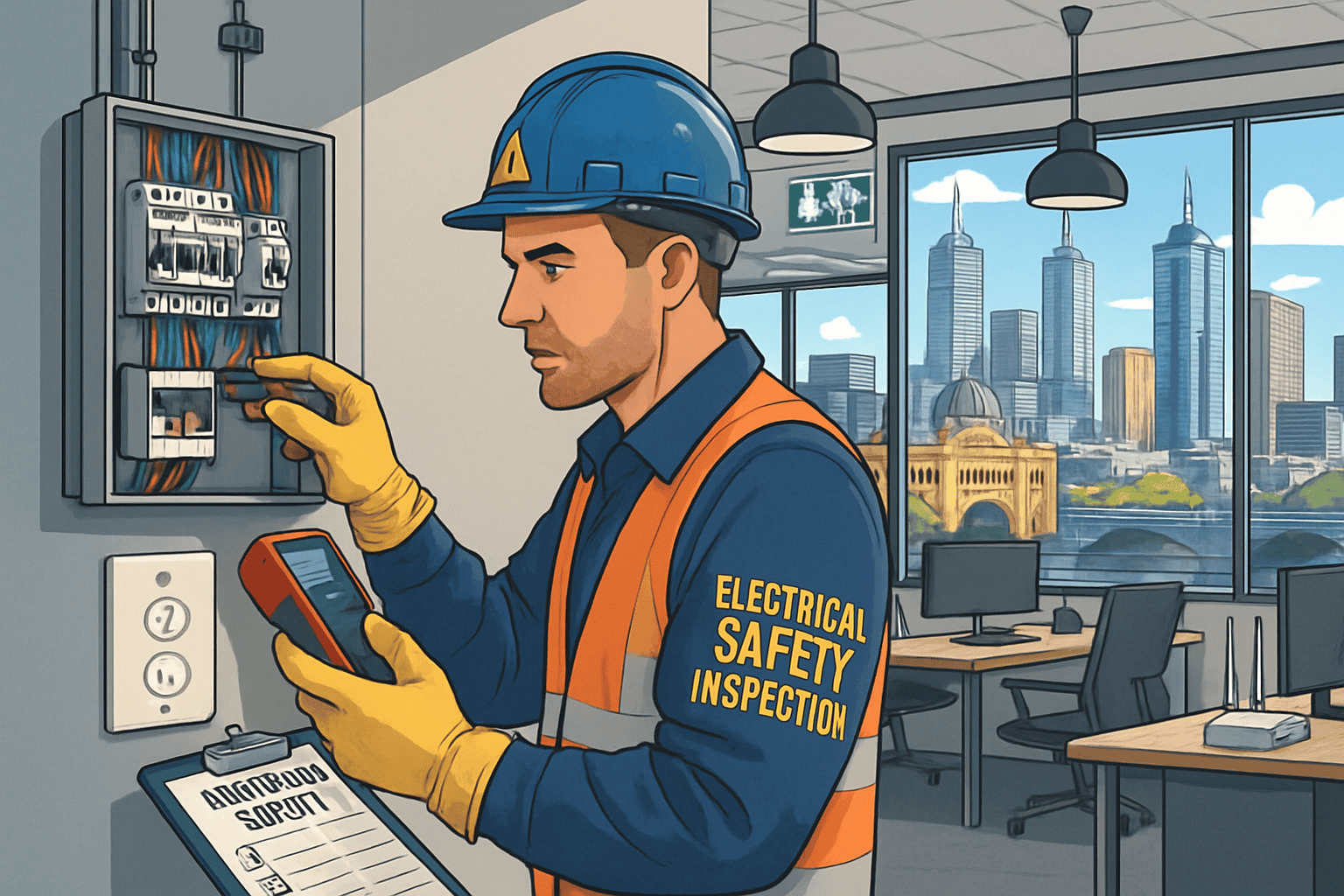
Electrical safety isn’t just a fancy term thrown around by regulators—it’s a fundamental necessity for every business operating in Melbourne. Whether you’re running a bustling office in the CBD, a trendy retail space in Fitzroy, or a busy industrial unit in the suburbs, maintaining a safe electrical system is crucial. In this comprehensive guide, we’re breaking down everything you need to know about electrical safety inspections in Melbourne, how they can protect your business, and practical tips on finding the right commercial electrician to keep your electrical systems compliant and safe.
In this post, we’ll discuss the importance of electrical safety inspections, outline local regulations and best practices, and offer practical advice for preparing your premises for an electrical inspection. So grab a cup of coffee and read on—you might just find the insights that save your business time, money, and a whole lot of potential headaches down the road.
Why Electrical Safety Inspections Are Essential for Melbourne Businesses
Running a business is hard work and involves juggling countless responsibilities—from ensuring productivity to managing finances and, of course, keeping your workplace safe. Electrical safety inspections are a crucial element of workplace safety, ensuring that your electrical installations are up-to-date, compliant with regulations, and safe to use in a busy environment.
Protecting Your People and Assets
First and foremost, electrical safety inspections are about protecting lives. Faulty wiring, outdated equipment, or overlooked electrical hazards can lead to injuries, fires, or even fatal accidents. By conducting regular inspections, you ensure that employees and customers have a safe environment, ultimately enhancing your business’s reputation as a responsible and caring employer.
Avoiding Costly Disruptions
An electrical fault can lead to unplanned downtime and may even result in extensive property damage. Electrical hazards not only pose immediate risks but can also have long-lasting financial consequences including increased insurance premiums or legal liabilities. Regular inspections help in early detection of issues, allowing small fixes before they balloon into major, expensive problems.
Meeting Legal and Regulatory Requirements
In Melbourne and Victoria, there are strict regulations governing commercial electrical safety. From periodic electrical testing and workplace electrical safety compliance to obtaining electrical safety certificates, ensuring that your business meets these codes is a legal obligation. Failure to comply with these standards can result in fines, business closure, or even legal action.
Boosting Business Confidence
A robust electrical safety program can be a great selling point. Clients, investors, and partners all appreciate a business that prioritises safety and compliance. It reinforces trust in your operations and can be leveraged in marketing materials to demonstrate your commitment to a safe, secure, and efficient workplace.
Navigating Melbourne’s Electrical Safety Regulations
Melbourne’s commercial sector is regulated under a framework that ensures every electrical installation meets safety standards mandated by Victorian law. Understanding these regulations can help you better prepare for an inspection and ensure that you’re not caught off-guard during an audit.
Key Regulations and Standards
- Victorian Electrical Safety Act: This act mandates that every commercial property should have regular electrical safety inspections performed by a certified electrical inspector.
- Electrical Safety Authority (ESA) Guidelines: Melbourne businesses must follow ESA guidelines which cover electrical hazard identification, periodic testing, and emergency electrical safety checks.
- Local Council Requirements: Some local councils may have additional requirements, especially for heritage buildings or areas with a high density of commercial properties.
Understanding Mandatory and Periodic Inspections
Most businesses in Melbourne are required to undergo periodic electrical testing and electrical safety inspections. These inspections cover everything from electrical wiring inspection in Melbourne to detailed assessments of your power distribution, switchboard safety, and even emergency electrical safety checks.
Staying proactive with these inspections means you’re not only complying with legal requirements but also safeguarding your investment in your property and infrastructure. If you’re not sure when your next inspection is due, your commercial electrician in Melbourne can help you create an electrical safety plan for your business.
What Exactly Are Electrical Safety Inspections?
Electrical safety inspections involve a thorough assessment of your building’s electrical infrastructure. Here’s what you can generally expect during an inspection:
Comprehensive Checks of Electrical Systems
- Wiring and Cabling: Inspectors verify that all wiring meets current safety standards, and look out for any signs of wear, outdated insulation, or defects that could lead to short circuits.
- Switchboards and Distribution Panels: This involves checking the integrity of your switchboards, ensuring they are properly labelled, and that any exposed wiring is secure.
- Emergency Systems: Ensuring that emergency lighting, exit signs, and backup power supplies are fully functional.
- Test and Tag Services: Inspectors often perform on-site tests, including Residual Current Device (RCD) testing, to verify that safety mechanisms are working properly.
- Electrical Hazard Identification: Identifying potential hazards like water ingress, dust accumulation, or signs of overheating, which could pose risks in a busy business environment.
The Inspector’s Checklist
A certified electrical inspector in Melbourne will have a comprehensive electrical safety audit checklist. This checklist typically includes:
- Checking all electrical installations against current safety standards.
- Reviewing maintenance logs and recent test results.
- Verifying that all electrical work complies with Victorian electrical safety standards.
- Documenting and recommending corrective actions for any electrical defects found.
By the end of the inspection, you should receive a detailed electrical safety report that outlines any issues, necessary repairs, or upgrades to meet compliance. This report serves as a roadmap to maintain a safe environment.
Features and Benefits of Regular Electrical Safety Inspections
Electing to invest in regular electrical safety inspections isn’t just about ticking boxes for compliance—it comes with a host of tangible benefits for your business.
Enhanced Safety and Reduced Risk
- Prevention of Accidents: Early identification of hazards reduces the likelihood of electrical fires or shock incidents.
- Employee Confidence: Knowing that the workplace is safe enhances employee morale and productivity.
- Customer Assurance: Clients feel more secure in a business that actively manages potential electrical risks.
Cost Savings in the Long Run
- Reduced Downtime: Avoid unexpected outages that could interrupt business operations.
- Avoid Legal Penalties: Staying compliant with Melbourne’s strict regulations protects you from fines or legal actions.
- Improved Insurance Premiums: Regular inspections and documented compliance can help negotiate lower insurance premiums.
Operational Efficiency and Longevity
- Preventative Maintenance: Regular check-ups can prolong the lifespan of your electrical installations by identifying wear and tear early.
- Technological Upgrades: Modern inspections can reveal opportunities to upgrade systems, enhancing energy efficiency and reducing operational costs.
- Peace of Mind: The reassurance that your systems are safe and compliant can provide invaluable peace of mind for every business owner.
How to Find a Certified Commercial Electrician in Melbourne
Now that you understand the critical importance of electrical safety inspections, the next step is finding the right professional to carry out these inspections on your premises. Here are some practical tips:
Do Your Homework
- Check Certifications and Licensing: Always opt for a licensed electrical inspector or commercial electrician in Melbourne. Certification from recognised bodies ensures they adhere to the latest electrical safety standards.
- Look at Reviews: Online reviews and testimonials can offer insight into the reliability and quality of service provided by the contractor. Websites such as Google Reviews or local business forums are excellent resources.
- Ask for Referrals: Don’t hesitate to ask fellow business owners for recommendations. Word-of-mouth referrals can often lead you to trusted local experts.
Evaluate Experience and Specialisation
- Sector-Specific Experience: Some commercial electricians specialise in particular sectors. Whether you’re in retail, hospitality, or industrial management, choosing an electrician experienced in your type of business can be a huge advantage.
- Local Knowledge: Choose an electrician who is well-versed in Melbourne electrical safety regulations and has experience working with local councils. This ensures that any inspections or work meets the necessary standards without any hassle.
- Comprehensive Services: The best commercial electrical contractors offer a range of services, from electrical hazard identification to emergency electrical safety checks and periodic testing. This one-stop-shop approach can simplify your maintenance and compliance processes.
Ask the Right Questions
Before hiring a consultant, prepare a list of questions. For example:
- What certifications and licenses do you hold?
- Can you provide references from similar businesses?
- What does your inspection process entail?
- How do you handle electrical fault detection in complex systems?
- What is your turnaround time for issuing electrical safety reports?
Best Practices and Tips for an Effective Electrical Safety Inspection
Preparation is key to ensuring your electrical safety inspection goes smoothly. Here are some actionable tips for Melbourne business owners:
1. Schedule Regular Inspections
Don’t wait for an electrical incident to compel you to act. Establish a schedule for regular electrical inspections. Many businesses find annual tests adequate, but the frequency can vary depending on the age and complexity of your electrical installations. Check your local guidelines for mandatory inspection intervals.
2. Maintain Detailed Records
Keep up-to-date logs of all electrical inspections, maintenance work, and repairs performed on your premises. This documentation is vital in the event of an audit or insurance claim and can help track the health of your electrical systems.
3. Prepare Your Premises
Before an inspection, conduct a pre-assessment of your property:
- Ensure that all areas containing electrical equipment or wiring are accessible.
- Clear any obstructions that might hinder the inspection process.
- Gather all previous inspection reports, maintenance records, and any documentation related to electrical upgrades or repairs.
4. Engage Your Staff
Make sure your employees know when the inspection is scheduled. Brief them on any minor disruptions that might occur and educate them on identifying potential electrical hazards. Their familiarity with day-to-day operations might provide useful insights during the inspection.
5. Have a Contingency Plan
In the unlikely event that the inspection reveals significant issues, have a plan in place for immediate corrective action. Whether it’s shutting off power to a faulty system or temporarily relocating operations, a proactive plan can minimise business disruption.
6. Post-Inspection Follow-Up
Once the inspection is complete, review the report carefully. Identify areas that require immediate action and schedule any necessary repairs or upgrades. Following up promptly not only ensures your compliance with safety regulations but also helps maintain a safe workplace.
Preparing Your Business for an Electrical Safety Inspection
A little bit of preparation can go a long way. Here’s a step-by-step guide to help you get ready:
Step 1: Conduct an Internal Audit
Before inviting a certified electrical inspector, perform your own review of the electrical infrastructure:
- Inspect visible components like power points, switchboards, and emergency lighting.
- Document any concerns, noting down unusual smells, flickering lights, or overheating equipment.
Step 2: Organise Documentation
Gather all documentation related to your electrical systems. These documents might include:
- Previous electrical safety certificates and reports.
- Maintenance logs for regular servicing.
- Any permits or approvals for electrical installations or upgrades.
- Records of test and tag services or periodic electrical testing results.
Having all this information readily available will streamline the inspection process and help the inspector understand your system’s history.
Step 3: Inform Your Stakeholders
Notify both your employees and any relevant third parties (like property managers or insurance agents) that an electrical safety inspection is scheduled. Clear communication ensures that everyone is prepared for temporary disruptions and understands the importance of the process.
Step 4: Clear Inspection Routes
Ensure all access routes are unobstructed. If your electrical panels, control rooms, or equipment rooms have restricted access, make special arrangements. This may involve temporarily relocating items or reorganising workspaces so that the inspector can easily assess every system component.
Step 5: Review Your Emergency Procedures
A quick refresher on your current emergency procedures is never a bad idea. Confirm that all employees know the evacuation routes, emergency shut-off procedures, and the location of first-aid kits. A well-informed team is an essential part of your overall electrical safety strategy.
Questions to Ask Your Electrical Safety Inspector
When engaging with a certified electrical inspector or commercial electrician in Melbourne, it’s important to ask detailed questions to ensure that they have the expertise needed to manage your business’s specific requirements:
- What certifications, licenses, and insurance do you have?
- How long have you been conducting commercial electrical safety inspections in Melbourne?
- Can you detail the process you follow for a full electrical safety audit?
- Are you familiar with the Victorian Electrical Safety Act and local ESV guidelines?
- How do you handle emergency electrical safety checks, should an immediate hazard be discovered?
- What is the estimated cost for a comprehensive electrical safety inspection, and do you offer any follow-up services?
- How do you ensure thorough documentation and compliance with electrical safety standards in Victoria?
The Cost and ROI of Electrical Safety Inspections in Melbourne
It’s natural for business owners to be conscious of costs, but when it comes to electrical safety, the benefits far outweigh the expense. Here’s why investing in a proper inspection can yield a strong return on investment:
Direct Savings
- Preventative Maintenance: Identifying issues early on prevents expensive repairs later. A minor electrical fault, if left unchecked, can develop into a major, business-disrupting incident.
- Insurance Benefits: Maintaining documented electrical compliance can sometimes reduce your insurance premiums or improve your claims process in the event of an incident.
- Avoid Legal Fines: Non-compliance with electrical regulations not only exposes you to fines but could also result in business shutdown notices. Regular inspections are a proactive way of avoiding these costs.
Indirect Benefits
- Employee Productivity: A safe, well-maintained electrical system reduces downtime from unexpected faults or accidents, keeping your team operating at peak efficiency.
- Customer Confidence: Clients and partners are more likely to trust a business that prioritises safety, which can translate into better business relationships and repeat business.
- Future-Proofing: Up-to-date electrical systems can reduce the need for major overhauls in the future, thus protecting your investment against rapid technological changes.
Additional Services to Consider
Beyond routine electrical safety inspections, there are several supplementary services you might consider to further enhance your business’s electrical safety profile:
Test and Tag Services
Test and tag services are an essential add-on for businesses with a large number of portable electrical appliances. Regular testing ensures that:
- All electrical equipment is safe to use.
- You’re in compliance with workplace safety regulations.
- The risk of electrical accidents is minimised.
Periodic Electrical Testing and Preventative Maintenance
Engaging in regular, periodic electrical testing can keep your installations in top shape. This service typically includes:
- Frequent checks of outlets, power points, and wiring.
- Scheduled inspections of your electrical panels and distribution boards.
- Routine testing of emergency systems like backup generators and lighting.
Electrical Safety Upgrades
Over time, your electrical systems may require upgrades to match the latest safety standards and technology. Whether it’s replacing older wiring or upgrading your switchboard for improved fail-safes, a certified electrical inspector can provide recommendations that not only improve safety but also boost energy efficiency.
Local Best Practices and Tips for Melbourne Business Owners
Finally, let’s delve into some local best practices tailored specifically for Melbourne business owners. These tips take into account the unique regulatory environment and practical realities of operating a commercial enterprise in this vibrant city.
Stay Informed with Local Regulations
- Regularly Check for Updates: Electrical safety regulations in Victoria can be updated. Subscribe to updates from local councils, the ESV, and industry bodies to ensure that you remain compliant.
- Attend Workshops and Seminars: Many local organisations and industry groups offer seminars on electrical safety. These events are a great source of current information and networking opportunities with trusted Melbourne electrical contractors.
Build a Relationship with a Trusted Commercial Electrician
- Long-Term Partnerships: Establishing a long-term relationship with a commercial electrician or a company specialising in electrical safety audits in Melbourne can simplify ongoing compliance and maintenance.
- Local References: Ask for testimonials or case studies from local businesses. Often, one of the best ways to gauge an electrician’s performance is to hear from peers in your industry.
Regular Internal Audits
- Self-Assessment: In between professional inspections, conduct regular internal audits of key electrical assets. This practice can help flag potential issues early, ensuring you address concerns before they escalate.
- Staff Training: Consider providing training sessions for your staff on recognising electrical hazards and basic emergency response. A well-informed team is your first line of defence against potential electrical incidents.
Leverage Technology
- Digital Records: Use digital tools to maintain inspection records, maintenance logs, and certificates electronically. This makes it easier to organise and access documentation when needed.
- Remote Monitoring: For larger operations, consider integrating systems that allow for remote monitoring of key electrical components. This can provide real-time alerts to any anomalies, ensuring prompt action is taken.
Conclusion
Electrical safety is not an option—it’s a necessity, especially for Melbourne businesses that navigate a myriad of compliance challenges, workplace safety issues, and operational pressures. Regular electrical safety inspections ensure that your premises are not only compliant with stringent Victorian electrical safety regulations but are also optimised for safety, efficiency, and long-term cost savings.
By understanding the process, knowing what to expect during an inspection, and selecting a trustworthy, licensed commercial electrician in Melbourne, you can safeguard your business against potential hazards. Remember, preparing thoroughly for inspections and keeping detailed records not only helps you avoid legal pitfalls but also builds a culture of safety and peace of mind within your organisation.
Whether you’re looking for assistance with electrical fault detection, test and tag services, or a complete electrical safety audit checklist, the power of proactive inspection and ongoing preventative maintenance cannot be overstated. So, invest in the safety of your business today—your employees, customers, and bottom line will thank you for it.
With this guide, we hope you feel more equipped to navigate the complexities of electrical safety inspections in Melbourne. Stay safe, stay compliant, and let your business shine without the risk of electrical hazards dimming its success!
Remember, when it comes to electrical safety, proactive planning, regular inspections, and reliable local expertise are the keys to protecting both your assets and the people who make your business thrive. Happy inspecting!
0 Comments