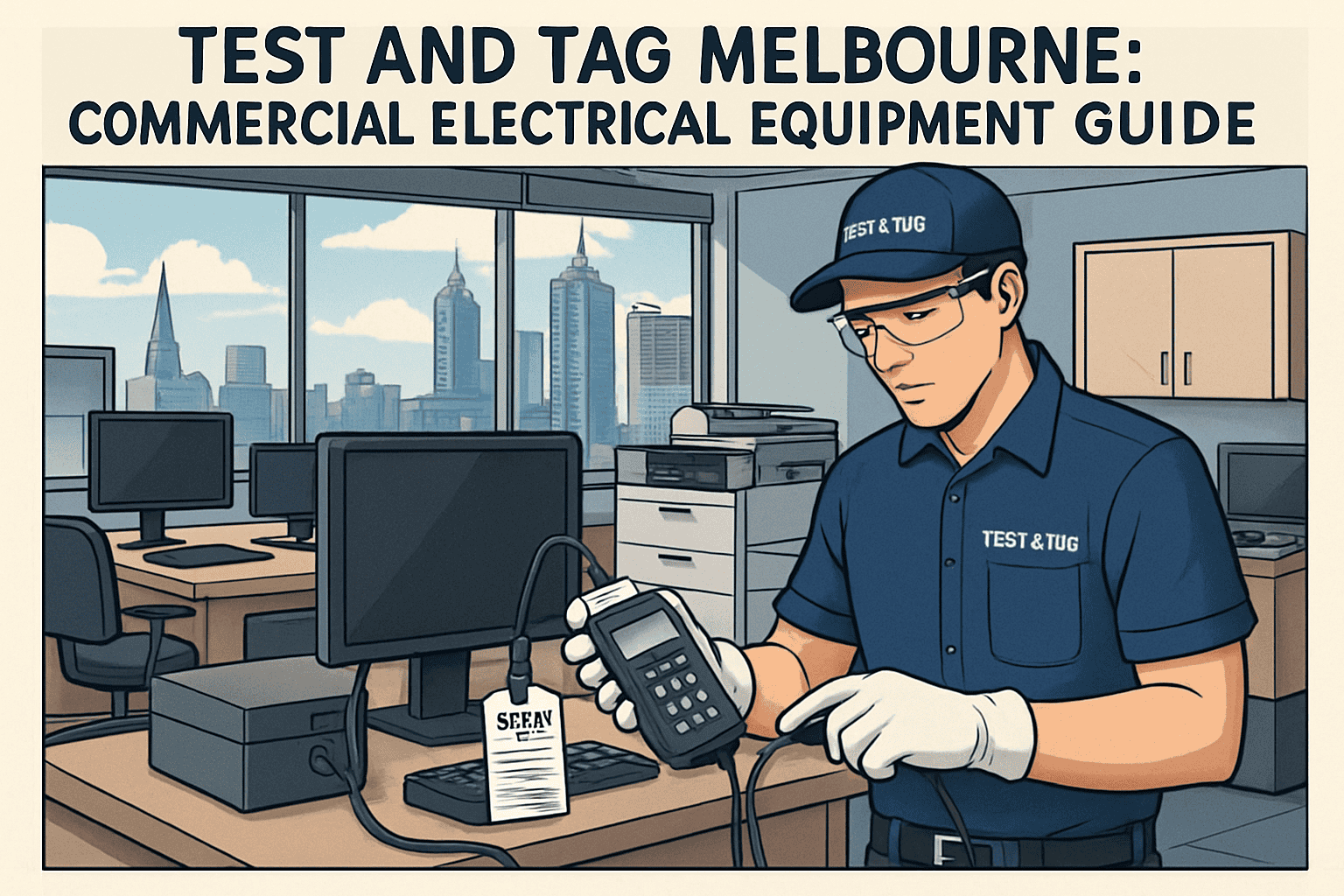
Test and Tag Melbourne: Commercial Electrical Equipment Guide
As a small business owner in Melbourne, you know that keeping your operation safe and compliant isn’t just a matter of best practice—it’s a necessity. When it comes to electrical safety, ensuring that your commercial equipment is properly tested, tagged, and maintained is crucial not only for the well-being of your employees but also for meeting legal obligations. In this comprehensive guide, we’re diving deep into the world of test and tag services in Melbourne, providing you with the essential information, practical tips, and local insights you need to safeguard your business. If you’re looking for trusted Melbourne electricians who specialize in commercial electrical safety, keep reading!
Table of Contents
- Why Test and Tag is Critical for Your Business
- What is Test and Tag?
- Understanding Commercial Electrical Equipment Testing
- Regulations, Codes, and Standards in Melbourne
- Features and Benefits of a Robust Test and Tag Program
- Choosing a Commercial Electrician in Melbourne: What to Look For
- Practical Tips for Preparing for a Test and Tag Job
- How Test and Tag Helps With Workplace Safety and Compliance
- Best Practices for Ongoing Electrical Equipment Maintenance
- Common Challenges and Their Solutions
- Real-World Success Stories
- Final Thoughts: Keeping Your Business Safe and Compliant
Why Test and Tag is Critical for Your Business
Electrical safety isn’t just about meeting regulations or avoiding fines—it’s about protecting lives, assets, and your company’s reputation. For commercial properties, where high-powered equipment and diverse user requirements come together, the proper testing and tagging of electrical appliances is critical.
Consider these key reasons:
- Legal Compliance: Under Australian laws and Victorian safety requirements, regular electrical testing is mandated to ensure your premises can legally operate without risking harm.
- Employee Safety: Faulty equipment can lead to accidents and injuries. Regular test and tag procedures help prevent mishaps that could put your team at risk.
- Insurance and Liability: Following the recommended guidelines can reduce your business’s potential liability in the event of an incident, often favouring insurance premiums and claims should anything ever go wrong.
- Operational Efficiency: Properly maintained equipment is less likely to cause downtime. Testing and tagging help identify issues before they evolve into costly repairs or interruptions.
- Reputation Management: A safe workplace reinforces the trust of employees, customers, and business partners in your operations.
For many business owners, understanding these benefits is the first step toward implementing a robust electrical safety system. Now, let’s delve into what test and tag really means and how it can practically benefit your business.
What is Test and Tag?
Test and tag refers to a systematic process where electrical appliances and equipment are inspected, tested for safety, and then tagged to indicate they have been checked. This process typically involves:
- Visual Inspection: Checking for obvious signs of wear, damage, or misuse.
- Electrical Testing: Using specialized equipment to test the functionality of plugs, cables, and devices to ensure electrical insulation and grounding are up to standard.
- Tagging: Affixing a tag or sticker that indicates the date of the inspection and when the next test is due. This serves as both a record and a reminder.
The method is widely known as Portable Appliance Testing (PAT testing) in many parts of Australia, including Melbourne, and it’s an indispensable part of commercial electrical equipment testing. Whether it’s RCD testing, regular electrical equipment certification, or full-scale electrical safety inspections, skilled professionals are required to identify any risks and certify the equipment meets Australian safety standards.
Understanding Commercial Electrical Equipment Testing
Commercial electrical equipment isn’t just limited to office appliances. Businesses in Melbourne might have a wide range of electrical items including:
- Office computers and peripherals
- HVAC systems
- Kitchen and catering equipment
- Industrial machinery and tools
- Lighting and emergency systems
Each category of equipment has its own specific requirements, and proper testing involves tailoring the process to the type and risk level associated with each appliance. Here are some essential aspects of commercial electrical equipment testing:
- Risk Assessment: Before any testing begins, it’s important to conduct an electrical risk assessment. This evaluates the potential hazards in your workplace and identifies equipment that is deemed high-risk.
- Frequency of Testing: The test frequency can vary depending on the type of equipment, how often it is used, and the environment in which it operates. High-risk appliances found in harsh industrial environments may require more frequent testing.
- Documentation and Record Keeping: Every test performed must be properly documented. Tagging serves as an immediate visual indicator that an item has passed the necessary checks, while detailed records allow you to track testing schedules and results for compliance audits.
- Testing Procedures: Advanced electrical testing procedures may include insulation resistance tests, earth continuity tests, and polarity tests, among others. These procedures help determine whether appliances might pose a risk of electric shock or fire.
Why is it so important? Because regular and thorough testing ensures your business adheres to the recommended electrical safety standards and reduces the potential for accidents.
Regulations, Codes, and Standards in Melbourne
Melbourne businesses are required to comply with a series of electrical safety standards. These include local, state, and national regulations that are in place to protect the workforce and minimize hazards. Key guidelines include:
Australian Electrical Standards
- AS/NZS 3760: This standard specifically covers the testing and inspection of electrical equipment. It outlines the procedures and intervals for testing, ensuring that the electrical appliances are safe for use in a commercial setting.
- AS/NZS 3012: This standard deals with electrical installations for construction and industry, detailing precautions, design, and installation practices that maintain safety standards.
Victorian Regulations and Codes
- WorkSafe Victoria Guidelines: WorkSafe Victoria mandates that all businesses performing test and tag services must follow strict guidelines. If you don’t comply, you risk fines and increased liability if an accident occurs.
- Local Council Requirements: Various councils in Melbourne may impose additional requirements related to electrical equipment certification and workplace safety inspections.
Ensuring Your Business Meets Compliance
To stay compliant:
- Schedule regular electrical safety inspections.
- Use a licensed commercial electrician who is familiar with these regulations.
- Keep detailed records of all testing, inspections, and maintenance work.
Understanding these codes is essential for any small business owner. Non-compliance not only poses a safety risk but can also lead to legal complications and hefty fines. Hence, ensuring that all electrical equipment is regularly inspected, tested, and tagged is a proactive measure to manage risk effectively.
Features and Benefits of a Robust Test and Tag Program
Implementing a test and tag program offers numerous features and benefits that directly impact your business operations. Let’s take a closer look at these advantages:
Features
- Visual Compliance Indicators: Each electrical item is tagged with the date of its last test, making it easy to see which items need attention.
- Comprehensive Testing Procedures: Advanced testing methods ensure that potential faults—such as insulation breakdown, faulty connections, or improper earthing—are identified on time.
- Accurate Record Keeping: Detailed logs and certificates help demonstrate compliance during audits and inspections.
- Customizable Testing Schedules: Based on the type and usage of your equipment, testing intervals can be tailored to suit specific needs.
- Expert Analysis: Commercial electricians bring their expertise to assess equipment conditions beyond just surface-level checks, improving overall safety.
Benefits
- Enhanced Safety: By identifying and mitigating electrical risks, test and tag services help protect your employees and customers.
- Legal Peace of Mind: Regular testing ensures you meet all state and national regulations, reducing your exposure to potentially expensive penalties.
- Cost-Effectiveness: Proactively maintaining equipment reduces unexpected downtime, costly repairs, and potential business interruptions.
- Operational Efficiency: Preventative maintenance minimizes equipment failures, allowing your business to operate more smoothly and reliably.
- Improved Insurance Position: Demonstrating a commitment to electrical safety can positively influence your insurance premiums and claims process.
- Environmental Safety: Properly maintained electrical equipment reduces the risk of fires or hazardous waste incidents, thereby safeguarding the environment.
Over time, the compounded benefits of a robust test and tag program not only ensure safety but also bolster your business’s reputation as a responsible and proactive organization.
Choosing a Commercial Electrician in Melbourne: What to Look For
Selecting the right commercial electrician in Melbourne to handle your test and tag requirements is a crucial decision. Here are some tips to help you choose the ideal professional:
Qualifications and Licensing
- Proper Accreditation: Ensure the electrician is licensed to perform commercial electrical works in Melbourne. Check their qualifications against local requirements.
- Experience in Commercial Environments: A seasoned electrician with commercial experience understands the nuances of testing various types of equipment and can handle unique business challenges.
Reputation and Reviews
- Customer Testimonials: Look for feedback from other business owners in Melbourne. Reviews and case studies can help gauge the electrician’s reliability and quality of service.
- Local References: Ask your peers or industry associations for recommendations. Local professionals familiar with Melbourne’s regulations are likely to be more efficient.
Service Offerings
- Comprehensive Testing Services: Choose a professional who offers full-scale services, including visual inspections, electrical testing, RCD testing, and full documentation.
- On-Site Capability: An electrician who can operate on your premises minimizes disruption to your operations.
- Flexible Scheduling: The best service providers offer flexible appointment times to suit your business’s operational demands.
Cost and Value
- Transparent Pricing Models: Ensure that you get detailed quotes that outline all aspects of the service. Remember, the cheapest option isn’t always the best when safety is at stake.
- Value-Added Benefits: Look for additional services linked with electrical compliance, such as risk assessments, maintenance advice, and warranty on testing services.
Commitment to Safety and Compliance
- Adherence to Local Standards: Confirm that the electrician is well-versed in AS/NZS 3760 and other relevant standards, and that they follow strict safety protocols.
- Regular Training and Updates: The electrical industry is ever-evolving. A reputable service provider will keep up-to-date with the latest safety testing equipment, techniques, and regulatory changes.
By following these guidelines, you can confidently select a commercial electrician in Melbourne who not only meets your immediate test and tag needs but also supports your long-term electrical safety strategy.
Practical Tips for Preparing for a Test and Tag Job
Preparing for a test and tag service can be a smooth process if you plan ahead. Here are some practical steps to ensure your business is ready:
Create an Inventory
- Document All Equipment: List every piece of electrical equipment on your premises that needs testing—from office appliances to industrial machinery.
- Prioritize High-Risk Items: Focus on equipment used in high-risk areas first. Items exposed to water, dust, or extreme temperatures might require additional checks.
Schedule a Convenient Time
- Plan Around Business Hours: Schedule the testing during off-peak hours or on a weekend to minimize disruption.
- Coordinate with Staff: Let your employees know about the scheduled testing so they can temporarily refrain from using specific equipment, ensuring accurate tests.
Prepare the Work Area
- Clear and Accessible Equipment: Make sure all items are easily accessible for the testing kit and visual inspections.
- Ensure a Safe Environment: Remove any obstructions around high-risk areas to allow the electrician to work safely and efficiently.
Maintain a Record-Keeping System
- Documentation: Prepare a system to file current test certificates and plan for future updates. Digital records can help streamline your compliance reporting.
- Regular Follow-Ups: Set reminders for the next scheduled test, ensuring your equipment remains certified year-round.
Inform Your Commercial Electrician
- Share Your Inventory: Provide a comprehensive list of equipment in advance so the electrician can prepare with the right tools and testing instruments.
- Discuss Specific Concerns: Inform the electrician of any past issues with specific appliances or any unusual operating conditions that might affect testing.
By taking these preparatory steps, you ensure that the test and tag process runs smoothly, minimizes downtime, and maximizes safety benefits for your business.
How Test and Tag Helps With Workplace Safety and Compliance
Integrating a regular test and tag program within your workplace supports not only legal compliance but significantly improves overall safety. Here’s how:
Reducing Electrical Hazards
- Early Fault Detection: Regular testing identifies issues like worn-out cords, insulation breakdowns, or broken plugs before they escalate into hazards.
- Risk Mitigation: With detailed inspections performed periodically, you can mitigate the risk of electrical fires, shocks, and equipment malfunctions.
- Enhanced Response: Should any faults be detected, prompt corrective measures can be taken, reducing the risk of accidents and ensuring business continuity.
Building a Culture of Safety
- Employee Confidence: Workers feel more confident when they know that strict safety protocols are in place, which in turn fosters a safe work environment.
- Customer Assurance: Clients and partners appreciate and respect businesses that prioritize safety, which bolsters your reputation as a responsible employer.
- Safety Audits: Being prepared for local safety audits and compliance inspections means less stress during official reviews and fewer disruptions to daily operations.
Documentation and Certification
- Proof of Compliance: Keeping up-to-date test and tag certification can be crucial during insurance claims or in the event of an incident investigation.
- Regulatory Readiness: Detailed documentation provides a clear pre-emptive record that your business is actively managing electrical risks.
- Record Keeping: Maintaining comprehensive records helps with scheduling future tests and serves as evidence of due diligence.
Best Practices for Ongoing Electrical Equipment Maintenance
A proactive approach to electrical equipment maintenance is key to preventing hazards and ensuring ongoing compliance. Here are some best practices to consider:
Regular Inspections and Testing
- Scheduled Testing: Establish a testing schedule based on usage and risk levels. High-usage or high-risk equipment may need testing more frequently than those in low-risk environments.
- Integrated Maintenance Routines: Align your test and tag schedule with routine maintenance checks to maximize efficiency.
- On-Site Inspections: Encourage periodic visual inspections by your facility management team as a supplement to professional testing.
Training and Awareness
- Staff Education: Regularly train your employees on the importance of electrical safety, how to perform basic checks, and what to do if they notice potential hazards.
- Clear Communication: Post reminders and maintain clear communication regarding upcoming testing dates, safety protocols, and equipment maintenance guidelines.
- Emergency Procedures: Ensure that all employees are aware of emergency shutdown procedures in case a potential electrical hazard is detected.
Leveraging Professional Expertise
- Partner with Local Experts: Engage commercial electricians in Melbourne who specialize in workplace electrical safety testing and maintenance.
- Adopt New Technology: Use state-of-the-art test and tag equipment that offers more accurate diagnostics and data logging capabilities.
- Regular Risk Assessments: Periodically conduct a comprehensive electrical risk assessment to identify any changes in the workplace that may require adjustment of your testing schedules.
Record Keeping and Follow-Up
- Digital Records: Store testing data and certificates in a secure, easily accessible digital format. This not only assists in scheduling but can also be invaluable during insurance or compliance audits.
- Automated Reminders: Use calendar reminders or maintenance management software to ensure that scheduled tests and inspections are never missed.
- Feedback Integration: Encourage feedback from your electrician regarding any recurring issues or potential areas for improvement in your electrical maintenance plan.
Implementing these best practices helps create a robust electrical safety culture that minimizes hazards, ensures compliance, and supports the smooth operation of your commercial property.
Common Challenges and Their Solutions
Despite the best efforts, many businesses face challenges when it comes to electrical safety and test and tag procedures. Here are some common hurdles and practical solutions:
Challenge: Disruption to Business Operations
Solution: Schedule testing during off-peak hours or when your business experiences lower activity. Inform staff well in advance to minimize disruptions.
Challenge: Keeping Up with Changing Regulations
Solution: Partner with a local commercial electrician who keeps abreast of Melbourne’s regulatory updates. Subscribe to newsletters or join industry associations to remain informed.
Challenge: Extensive Inventory Management
Solution: Invest in digital asset management and record-keeping systems. A well-maintained database allows you to track each piece of equipment, its last test date, and scheduled future inspections.
Challenge: Budget Constraints
Solution: Consider test and tag as an investment in risk management rather than an expense. A small upfront cost can prevent large liabilities, ensuring long-term savings by avoiding accidents and fines.
Challenge: Ensuring Consistent Quality of Service
Solution: Always verify the credentials and track record of your service provider. Look for businesses that have transparent pricing, strong reviews, and a proven history of adherence to AS/NZS 3760 standards.
By understanding these challenges and proactively addressing them, you can maintain a reliable and efficient electrical safety regime in your business.
Real-World Success Stories
Let’s consider a few examples where businesses in Melbourne have successfully integrated test and tag practices to boost their safety and compliance:
Case Study 1: A Busy Restaurant in South Melbourne
A popular restaurant in South Melbourne had been struggling with frequent minor electrical issues that occasionally led to equipment malfunctions during peak hours. Recognizing the risk, the management decided to implement a rigorous test and tag regimen. By partnering with a local commercial electrician:
- They revamped the entire equipment testing routine.
- Installed a digital record-keeping system that sent reminders for upcoming tests.
- Achieved notable reductions in downtime and maintenance calls.
- Most importantly, their insurance premiums decreased as a result of documented risk management.
Case Study 2: A Retail Chain in the Heart of Melbourne
A retail chain with several branches across Melbourne implemented regular electrical safety audits and test and tag procedures in all their outlets. They:
- Identified high-risk items such as point-of-sale systems and display lighting.
- Scheduled regular maintenance that balanced staff convenience with operational hours.
- Reported enhanced customer confidence and reduced complaints related to faulty equipment.
- Established a consistent standard across multiple branches, ensuring all locations met strict safety criteria.
Case Study 3: An Industrial Manufacturing Unit
An industrial unit in Melbourne faced unique challenges with heavy machinery and power-intensive equipment. Engaging with commercial electricians specializing in industrial environments, they:
- Conducted thorough risk assessments.
- Developed tailored testing schedules that accounted for the heavy-duty nature of the machinery.
- Integrated routine test and tag procedures within their shift schedules.
- Benefited from reduced incidents, enhanced operational uptime, and compliance with local WorkSafe Victoria regulations.
These success stories illustrate that regardless of the industry, a dedicated approach to test and tag can protect your business, enhance safety, and ultimately lead to better operational efficiency.
Final Thoughts: Keeping Your Business Safe and Compliant
Test and tag services in Melbourne are not merely about ticking a regulatory checkbox. They represent a commitment—to safety, operational efficiency, and protecting your most valuable assets: your employees and your reputation. For small business owners, the benefits extend far beyond legal compliance. With the right partner, such as a skilled commercial electrician in Melbourne, you can create a safer work environment that preempts hazards and minimizes downtime.
Here are some parting tips to help your business stay on track:
- Always choose accredited professionals with specialized experience in commercial electrical equipment testing.
- Keep thorough records and digital documentation to support compliance and future risk assessments.
- Adapt your testing schedules based on the unique needs of your equipment and operational environment.
- Stay informed about local regulations and industry best practices by networking with peers and subscribing to relevant updates.
- View test and tag not as a cost, but as an essential investment in the long-term reliability and safety of your business.
By embracing these practices, your Melbourne-based business can enjoy the dual benefits of legal compliance and the confidence that comes from knowing your workplace is as safe as possible.
Remember, a safe workplace is a productive workplace. Whether you’re in retail, hospitality, manufacturing, or any other sector, keeping your electrical equipment in top condition is crucial. So, take action today by scheduling your next test and tag inspection with a trusted local commercial electrician—your employees, customers, and bottom line will thank you.
For more tips and personalized advice on commercial electrical safety in Melbourne, feel free to reach out and stay connected with our blog. We’re here to help you navigate the complexities of electrical compliance, ensuring your business runs smoothly and safely.
By following this extensive guide, you are now better equipped to understand the full scope of test and tag requirements and their implementation in a busy commercial environment like Melbourne. Embrace these strategies, safeguard your business, and maintain the high standards your employees and customers deserve.
Happy testing and tagging, and here’s to a safer, more compliant future for your business!
0 Comments