
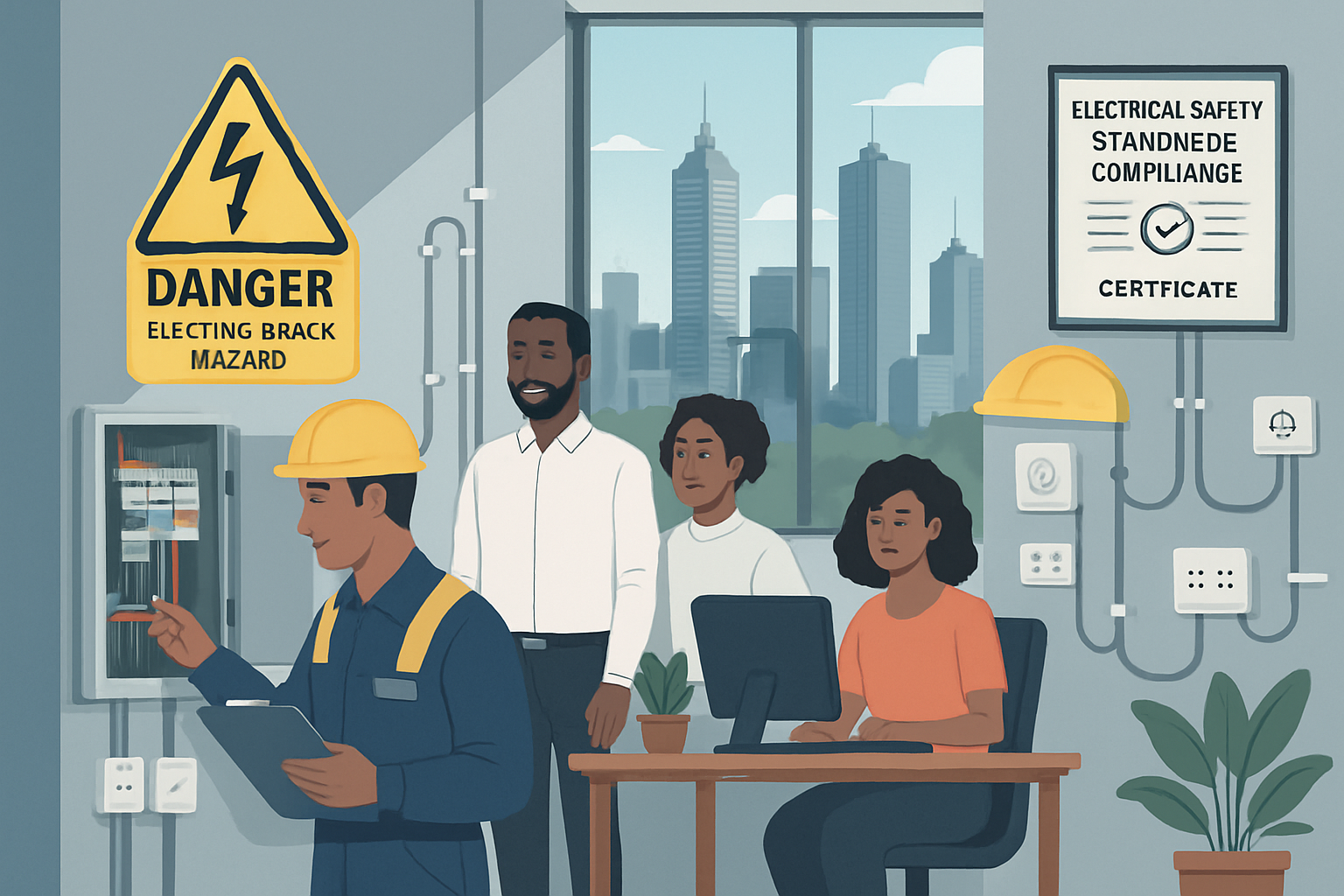
Electrical Safety Standards Melbourne: Workplace Requirements
When it comes to running a small business in Melbourne, ensuring workplace safety isn’t just a legal obligation—it’s a commitment to your staff, clients, and your bottom line. One area that often gets overlooked is the adherence to electrical safety standards. From daily operations to long-term planning, maintaining compliance with local and national electrical regulations is essential. In this guide, we’ll explore the importance of electrical safety standards in Melbourne, outline the national and local codes, and provide practical tips on how to work with a commercial electrician to keep your business safe and compliant.
Table of Contents
- Introduction: Why Electrical Safety Matters to Your Business
- Understanding Electrical Safety Standards in Melbourne
- Key Electrical Codes and Regulations
- How Commercial Electricians in Melbourne Can Help
- Practical Tips for Choosing a Commercial Electrician
- Preparing Your Workplace for an Electrical Safety Audit
- Electrical Testing, Tagging, and Maintenance
- Electrical Hazard Prevention and Risk Assessment
- Best Practices for Achieving Melbourne Safety Compliance
- Conclusion: Prioritizing Electrical Safety for Your Business
1. Introduction: Why Electrical Safety Matters to Your Business
In today’s fast-paced business environment, every aspect of your operation counts—including electrical safety. As a small business owner, you understand that every decision impacts not only the bottom line but also the safety and efficiency of your operations. Melbourne’s commercial environment demands strict adherence to electrical safety standards, which ensures that your facility is not only compliant with the law but also provides a secure workplace for your employees and visitors.
Electrical safety considerations are vital because:
- Minimizing Risks: Faulty wiring or outdated electrical systems can lead to severe hazards such as fires, electrocutions, and equipment damage.
- Legal Compliance: Failure to comply with electrical safety regulations can result in hefty fines, legal liabilities, and even business shutdowns.
- Operational Continuity: Safe and properly maintained electrical systems reduce the risk of unexpected downtimes and costly repairs.
- Employee Safety: A safe work environment helps in maintaining high productivity and reduces the risk of workplace accidents.
For business owners in Melbourne, where Electrical Safety Standards Melbourne, workplace electrical safety, and commercial electrical safety are non-negotiable topics, understanding and applying these standards is critical.
2. Understanding Electrical Safety Standards in Melbourne
Electrical safety is governed by a combination of national standards, local regulations, and practical guidelines that are updated regularly. Melbourne, as part of Australia, adheres to Australian electrical standards that have been developed to ensure the highest level of safety in commercial and industrial settings.
Key Aspects of Electrical Safety Standards:
- Compliance Requirements: Businesses must adhere to strict compliance requirements that outline how electrical installations, maintenance, and inspections should be carried out.
- Regulatory Bodies: Authorities such as Energy Safe Victoria and local municipal councils are responsible for enforcing these regulations.
- AS/NZS Standards: The AS/NZS 3000 standards, often referred to as the Australian/New Zealand Wiring Rules, form the backbone of electrical installation standards. They provide detailed guidance on everything from wiring practices to safety protocols.
- Risk Management: Regular assessments, testing, and audits are necessary to identify and mitigate electrical hazards, ensuring that electrical equipment and installations are safe for operational use.
With Melbourne’s rapid growth and technological advancements, staying updated on new amendments and guidelines is critical for commercial building electrical safety. Business owners must continuously invest in keeping their electrical systems up-to-date to avoid the pitfalls of non-compliance.
3. Key Electrical Codes and Regulations
For small business owners, understanding the maze of electrical safety regulations might seem daunting. However, a clear outline of key codes and local practices can help you navigate the requirements easily.
Australian Electrical Standards
- AS/NZS 3000: Known as the Wiring Rules, this comprehensive standard covers the design, construction, and verification of electrical installations. It is essential for ensuring that electrical work is safe and in compliance with national safety standards.
- AS/NZS 3760: This standard, related to testing and tagging of electrical equipment, outlines the frequency and methodology required to maintain safety in the workplace.
Local Regulations in Melbourne
- Energy Safe Victoria Requirements: These guidelines ensure that commercial premises in Melbourne maintain a high level of electrical safety. They often include requirements for periodic inspections and immediate reporting of any hazards.
- Victorian Electrical Safety Legislation: This legal framework mandates that every business operating within Melbourne must follow strict electrical safety protocols to protect workers and property.
Electrical Compliance Documentation
Maintaining accurate documentation is a legal requirement. Records relating to inspections, maintenance certifications, and safety audits must be readily accessible. Regular logs help in both internal management and during official inspections by regulatory bodies.
4. How Commercial Electricians in Melbourne Can Help
Working with a commercial electrician in Melbourne isn’t just about fixing issues as they arise—it’s about establishing a proactive approach to electrical safety and compliance. Professional electricians offer a range of services that are crucial for maintaining electrical safety within your business premises.
Services Offered by Commercial Electricians:
- Electrical Testing and Tagging: Periodic inspections to ensure that all electrical equipment meets testing requirements, which can help prevent potential hazards.
- Electrical Safety Audits: A comprehensive review of your electrical installations, identifying potential risks and recommending improvements.
- Installation and Maintenance: Upgrading outdated systems or installing new equipment according to the latest electrical installation standards.
- Emergency Procedures: In the event of a malfunction, having a contractor who is equipped to handle emergencies quickly can minimize downtime and prevent accidents.
- Training and Certification: Some commercial electricians also offer electrical safety training, ensuring your staff is well-informed about standard procedures and protocols.
Engaging a trusted commercial electrician in Melbourne ensures that your workplace electrical compliance remains at peak – protecting your investment while safeguarding personnel and property.
5. Practical Tips for Choosing a Commercial Electrician
Finding the right commercial electrician requires more than a simple online search. You need a professional who understands your local requirements and can deliver top-notch electrical safety services tailored to a commercial property.
Here are some practical tips on how to find your ideal commercial electrician in Melbourne:
1. Verify Licensing and Certification
Ensure that the electrician is fully licensed and certified under Victorian electrical standards. Look for accreditations such as licensing under Energy Safe Victoria or endorsements from recognised industry bodies.
2. Check Experience and Specialisation
Look for electricians who have extensive experience with commercial properties. Ask for case studies or references that demonstrate their familiarity with commercial electrical safety and compliance requirements.
3. Inquire About Their Understanding of AS/NZS 3000
Since the AS/NZS 3000 standards are crucial in Melbourne, your electrician should have a deep understanding of these guidelines. Inquire about their application in past projects.
4. Request Detailed Quotes and Assess Customer Service
Get detailed quotes that include a breakdown of costs and services. This transparency not only helps in budgeting but also ensures there are no surprises later. Good communication is key: your ideal electrician should be willing to explain the process, answer your questions, and offer tailored solutions.
5. Look for a Full-Service Provider
Consider hiring a provider that offers both maintenance and emergency services. A full-service commercial electrician can offer everything from installation to routine audits and even immediate support during emergencies.
6. Check Online Reviews and Local Reputation
Online reviews and local recommendations can be invaluable. Seek out electricians with positive testimonials regarding their performance in Melbourne, focusing on reliability, communication, and their adherence to workplace electrical safety requirements.
6. Preparing Your Workplace for an Electrical Safety Audit
Electrical safety audits are a proactive measure to ensure that your workplace remains in compliance with local and national electrical safety regulations. Preparing in advance can save your business time, money, and potential hazards.
Steps to Prepare for an Electrical Safety Audit:
Conduct a Self-Assessment
Before inviting a professional audit, undertake a self-assessment of your workplace’s electrical systems. Identify:
- Visible signs of wear and tear on outlets and wiring.
- Areas where temporary solutions like extension cords are heavily used.
- Obsolete or malfunctioning equipment that could pose hazards.
Organize Current Documentation
Make sure all records are up-to-date including previous electrical safety inspections, maintenance logs, and compliance certificates. Having these documents ready can expedite the audit process and helps the electrician identify recurring issues.
Notify and Train Your Staff
Your employees should be aware of the audit. Brief them on the process and any changes in protocols that may follow. Regular electrical safety training not only helps in preparing for inspections but also reinforces workplace safety procedures.
Engage a Professional Electrical Safety Inspector
Once you have done your groundwork, contact a professional electrical safety inspector or commercial electrician. Their expertise in local guidelines—like those set forth by Energy Safe Victoria—will ensure that your audit considers all aspects of electrical installation standards and workplace electrical safety.
Develop an Action Plan for Non-Compliance Issues
Be prepared for the possibility that some elements of your electrical system might not meet current regulations. Work with your commercial electrician to create a comprehensive action plan that outlines:
- Immediate repairs or upgrades required.
- Long-term improvements for enhanced safety and compliance.
- Timeline and budget estimates for completing the work.
By following these steps, you’re not just ticking a regulatory box—you’re actively safeguarding your business, employees, and property from potential electrical hazards.
7. Electrical Testing, Tagging, and Maintenance
Electrical testing and tagging are central to maintaining a safe and compliant workplace. Regular inspections ensure that all electrical equipment remains within safe operating parameters.
Why Testing and Tagging is Essential:
- Identifies Potential Hazards: Regular testing can identify issues like insulation breakdowns or wear and tear that might not be apparent during routine operations.
- Legal Requirement: Adhering to AS/NZS 3760 and local regulations is not optional—it’s a legal requirement that business owners must follow.
- Prevents Downtime: Regular maintenance helps avert unexpected failures that could cause disruption in your business operations.
- Enhances Safety: Ensuring that equipment is properly tagged and regularly tested minimizes the risk of electrical fires, shocks, and other hazards.
Steps for Effective Electrical Testing and Tagging:
- Schedule Regular Inspections: Depending on the use and environment of your equipment, have your systems inspected by a licensed professional at regular intervals.
- Keep Detailed Records: Maintain a log of all tests, including dates, outcomes, and any remedial actions taken.
- Immediate Repairs: Address any issues identified during testing immediately. Delayed responses can lead to larger issues down the line.
- Staff Training: Train your employees on the importance of not tampering with or disabling testing tags and to report any visible faults.
Maintenance Best Practices:
- Monthly Visual Checks: Even if a professional inspection is scheduled, a monthly internal review of critical systems can catch issues early.
- Scheduled Upgrades: As your business grows, consider scheduled system upgrades to ensure your electrical infrastructure keeps pace with increased demands.
- Documentation: Ensure that all maintenance activities are documented. This practice not only helps in keeping a record for inspections but also aids in cost management and forecasting future needs.
Having a structured and proactive approach to electrical testing, tagging, and maintenance can safeguard your business from both immediate hazards and long-term compliance issues.
8. Electrical Hazard Prevention and Risk Assessment
Preventing electrical hazards is about more than just compliant installations—it’s about continuous vigilance, proactive risk management, and creating a culture of safety within your business.
Conducting a Comprehensive Electrical Risk Assessment:
- Identify All Electrical Assets: Start by listing all electrical installations, equipment, and temporary arrangements such as extension cords.
- Evaluate Usage and Environment: Consider how and where electrical equipment is used. High-risk areas such as kitchens, manufacturing floors, or areas exposed to moisture require special attention.
- Assess for Obsolete Equipment: Identify if any of your electrical systems or devices are outdated and more likely to cause hazards.
- Document Findings: Record all potential hazards along with the areas where risks are elevated. This documentation is crucial for follow-up action and regulatory compliance.
Key Measures for Electrical Hazard Prevention:
- Regular Inspections: From routine checks to detailed audits, ensure all electrical installations meet current standards.
- Immediate Repairs: Address even minor faults quickly to prevent escalation.
- Employee Awareness: Empower your staff with the knowledge of electrical hazards by conducting regular safety trainings. This reduces the likelihood of misuse or tampering with equipment.
- Protective Devices: Ensure that your installations include up-to-date protective devices such as residual current devices (RCDs), circuit breakers, and surge protectors.
- Clear Signage: Use clear, visible signage to indicate electrical hazards and emergency procedures. This is particularly crucial in large commercial buildings where multiple safety protocols might be necessary.
Preventing electrical hazards is a continuous process. By integrating proactive risk assessments into your regular safety protocols, you build a resilient framework that can adapt to new challenges, reducing chances of accidents and ensuring compliance with both Victorian and Australian electrical standards.
9. Best Practices for Achieving Melbourne Safety Compliance
Meeting and maintaining electrical safety standards in Melbourne requires a strategic approach that combines knowledge of regulations with the practical steps taken by commercial electricians.
Implementing a Compliance Strategy:
- Regular Compliance Audits: Schedule annual or bi-annual audits conducted by certified electrical safety consultants. An audit will identify any lapses and help in planning necessary updates.
- Keep Up with Regulatory Changes: The rules and standards can change over time. Subscribe to updates from agencies like Energy Safe Victoria and professional electrician associations to stay informed.
- Invest in Quality Equipment: Using high-quality electrical products that comply with AS/NZS standards minimizes risks. While initial costs may be higher, long-term safety and reduced downtime justify the investment.
- Document Everything: Maintain comprehensive records of inspections, maintenance, audits, and any corrective actions. This documentation can be critical during formal inspections or in the event of an incident.
- Employee Training Programs: Regular training sessions ensure that your staff is aware of the latest workplace electrical safety procedures and knows how to respond in an emergency.
- Review and Update Policies: Regularly review your internal policies on electrical safety management. Involve your commercial electrician to keep these policies aligned with the latest best practices and regulations.
Leveraging Local Expertise:
Melbourne’s market offers specialized services tailored to the local regulatory environment. Engaging with local commercial electricians provides you with:
- Direct Insights: They are familiar with the specific hazards typical to Melbourne’s urban setting and climatic conditions.
- Local Networks: A well-connected electrician can quickly source replacement parts, schedule timely repairs, and navigate local permitting processes with ease.
- Tailored Solutions: From high-rise commercial offices to sprawling industrial sites, local electricians understand the nuances of various setups and can recommend solutions that fit your unique context.
Adopting these best practices not only helps you achieve electrical safety compliance but also fortifies your business against unforeseen electrical hazards.
10. Conclusion: Prioritizing Electrical Safety for Your Business
Electrical safety is an ongoing commitment, not just a one-time compliance requirement. For small business owners in Melbourne, understanding and addressing electrical safety standards is crucial for protecting employees, preserving property, and ensuring smooth operations. By investing in regular audits, adhering strictly to AS/NZS standards, and working with experienced commercial electricians in Melbourne, you can build a robust and safe electrical infrastructure that meets all regulatory requirements.
Remember, proper electrical safety management is a win-win scenario—enhanced workplace efficiency, reduced risk of costly accidents, and peace of mind knowing you’re doing the best for your business. Start by conducting a thorough risk assessment, engaging with a reputable local electrician, and staying informed about any changes in Melbourne’s electrical safety regulations.
Taking these steps today ensures that tomorrow’s operations run smoothly, safely, and efficiently. Your commitment to electrical safety isn’t just about following the rules—it’s about investing in a secure future for your business and those who depend on it.
By understanding the nuances of Melbourne’s electrical safety standards and proactively engaging with qualified commercial electricians, you are setting your business on a path to success. Ensure you stay updated, keep detailed documentation, and invest in regular training and audits. Embrace these best practices, and you’ll be well-prepared for whatever the future holds in terms of electrical safety and workplace compliance.
For further assistance or to schedule an electrical audit, consider reaching out to local commercial electricians who specialize in workplace electrical safety here in Melbourne. Their expertise and hands-on experience with local regulations can be the cornerstone of your business’s electrical safety strategy.
Stay safe, stay compliant, and keep your business electrified with the power of proactive electrical safety management!
0 Comments