
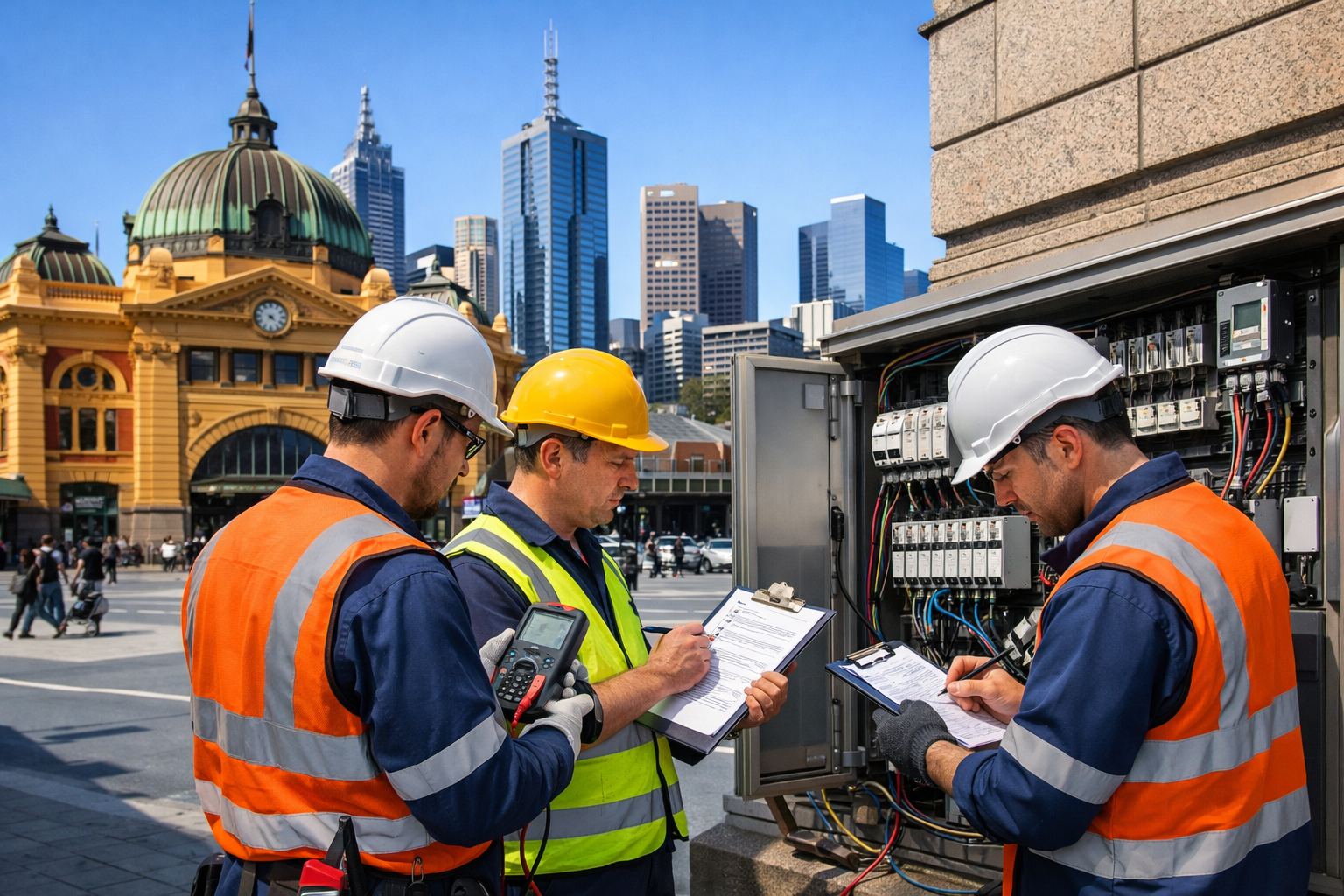
- Introduction: Why Electrical Risk Assessment Matters for Your Business
- What Is an Electrical Risk Assessment?
- The Importance of Electrical Risk Assessments for Commercial Properties
- Detailed Overview: What Does an Electrical Risk Assessment Involve?
- Features and Benefits of a Comprehensive Electrical Risk Assessment
- Practical Tips: Finding a Qualified Commercial Electrician in Melbourne
- Best Practices, Codes, and Regulations in Melbourne
- Electrical Risk Mitigation Strategies for Commercial Properties
- How to Prepare for an Electrical Risk Assessment
- The Role of Regular Electrical Inspections in Your Business Strategy
- Local Success Stories and Case Studies
- Conclusion
Running a small business in Melbourne isn’t just about daily operations, sales, and marketing—it’s also about ensuring your commercial property is safe, compliant, and efficient. One essential aspect that often gets overlooked is the electrical system. In today’s guide, we’ll dive deep into the world of electrical risk assessments in Melbourne. Whether you own an office, retail space, or an industrial facility, understanding electrical risk management and how to engage with a reputable commercial electrician in Melbourne is crucial for the safety of your property and people, as well as the long-term success of your business.
Electrical systems can be one of the more complex parts of a business’s infrastructure, yet they’re often taken for granted until something goes wrong. From everyday operations to emergency responses, ensuring that your electrical installations meet current standards is paramount. This comprehensive guide covers everything you need to know about electrical risk assessment in Melbourne—from what it entails, why it’s essential, and how to approach the process, to practical tips on hiring the right professionals. So, let’s get started!
Introduction: Why Electrical Risk Assessment Matters for Your Business
Imagine running a business where the greatest threat is not external competition or sudden market changes, but a hidden electrical fault that could jeopardize the safety of your employees, customers, and assets. Electrical risk assessments are not just a regulatory requirement; they are a proactive way to protect your business from potential hazards such as fires, equipment damage, or even fatal accidents.
As a small business owner in Melbourne, your priority is to maintain smooth operations while ensuring regulatory compliance and safety. An electrical risk assessment can help you identify potential electrical hazards early, ensure compliance with local laws such as electrical safety legislation in Victoria, and protect your business reputation by providing a safe environment. Moreover, businesses that invest in proper electrical safety are more likely to avoid costly downtime, insurance claims, and legal repercussions.
What Is an Electrical Risk Assessment?
At its core, an electrical risk assessment is a systematic evaluation of your building’s electrical system. Its aim is to:
- Identify any potential electrical hazards.
- Ensure that the system complies with mandatory safety standards.
- Determine if there is any need for refurbishment or upgrade.
- Propose necessary remedies to mitigate identified risks.
An electrical risk assessment is often carried out by a licensed commercial electrician in Melbourne who is experienced in inspection, fault-finding, and ensuring compliance with standards such as AS/NZ 3000 compliance. This process involves a thorough inspection and testing of electrical installations—from wiring and switchboards to outlets and emergency lighting—to convert these technical insights into actionable strategies for your business.
Key Components of an Electrical Risk Assessment
- Visual Inspection: A detailed look at the overall condition of your electrical installation.
- Testing and Tagging: Ensuring that portable appliances and tools are safe to use, sometimes provided as a part of test and tag services in Melbourne.
- Inspection of Switchboards and Distribution Boards: This includes checking for signs of wear, corrosion, or overheating.
- Assessment of Work Safety Requirements: Identification of any workplace electrical hazards that might violate OH&S electrical requirements.
- Evaluation Against Codes and Standards: Ensuring compliance with electrical safety standards in Australia and local regulations in Victoria such as electrical compliance victoria.
The Importance of Electrical Risk Assessments for Commercial Properties
Protecting Your Business and Employees
One of the primary reasons electrical risk assessments carry significant weight for business owners is the protection of human life. Faulty systems can lead to electrocution, fire outbreaks, or equipment failures—each of which poses a severe threat to both employees and customers. Regular electrical safety audits in Melbourne are crucial to detect and mitigate these risks, ensuring workplace safety.
Compliance With Local Regulations and Standards
In Melbourne and across Victoria, there are strict codes and regulations governing electrical installations. Failing to meet these can result in hefty fines and even forced shutdowns of your business facility. An electrical risk assessment helps you comply with:
- AS/NZ 3000 compliance standards.
- Electrical safety legislation in Victoria.
- OH&S electrical and workplace safety requirements.
- Local council guidelines and fire safety compliance regulations.
Avoiding Costly Downtime and Insurance Claims
Electrical faults can result in unexpected downtime, meaning loss of productivity and revenue. Moreover, any electrical failure may lead to insurance claims that could disrupt your cash flow. An electrical risk assessment acts as a preemptive measure, allowing you to forecast and avoid these issues, ensuring that your operational integrity remains intact.
Enhancing the Lifespan of Your Electrical Installations
Systematic maintenance and periodic testing allow you to catch small issues before they become expensive problems. By investing in an electrical risk assessment, you secure the longevity of your commercial electrical systems, ultimately saving money on future repairs and replacements.
Detailed Overview: What Does an Electrical Risk Assessment Involve?
1. Visual Inspection and Hazard Identification
The initial stage of an electrical risk assessment is a visual inspection performed by a qualified commercial electrician. This inspection covers various aspects, including:
- Wiring and Connections: Are there frayed cables, loose connections, or signs of overheating?
- Equipment and Appliances: Are all devices functioning as they should? Is there any visible damage?
- Switchboards and Distribution Panels: Are there any signs of corrosion or wear? Is the switchboard overloaded?
- Emergency Systems: Do you have operational emergency lighting and backup circuits?
- Mechanical and Environmental Factors: How does the physical layout contribute to electrical risks? Is there any exposure to moisture, dust, or chemical agents that might affect the system?
Using an electrical safety inspection checklist, the electrician documents any discrepancies and identifies potential risks before recommending further testing or interventions.
2. Electrical Testing and Tagging Services
Alongside the visual inspection, electrical testing plays a crucial role in ensuring every component of your system is safe. Some of the key tests include:
- RCD (Residual Current Device) Testing: To ensure emergency systems are functional and provide added protection against electrical shocks.
- Thermal Imaging Inspections: These can detect overheating in cables and connections, which may indicate deeper faults.
- Insulation Resistance Testing: Ensuring that the insulation of wiring and cables meets safety norms.
These tests provide quantitative data that give insights into the health of your electrical system. As part of your commercial electrical maintenance program, regular test and tag processes in Melbourne will ensure every portable instrument works within safe parameters.
3. Assessing Compliance with Standards
Compliance with safety standards, such as those outlined in AS/NZ 3000, is non-negotiable for commercial properties. This part of the risk assessment focuses on:
- Verification of Compliance Certificates: Ensuring that all installation works carry the necessary certification.
- Checking Historical Records: Understanding whether previous maintenance and installations were carried out by Licensed Commercial Electricians who follow local guidelines.
- Adherence to Electrical Installation Condition Report (EICR): Regular evaluations to ensure that your installation maintains the same level of safety over time.
The incorporation of electrical safety audit Melbourne procedures here provides a solid foundation for ongoing maintenance and regulatory compliance.
4. Electrical Hazard Mitigation Strategies
After identifying potential hazards, the next step is outlining practical risk mitigation strategies. Some of these strategies include:
- Upgrading Faulty Components: Replacing outdated or faulty wiring, switchboards, or circuit breakers.
- Implementing Preventative Electrical Maintenance: Regular maintenance routines that include periodic electrical inspections and test and tag schedules.
- Installing Advanced Safety Systems: Incorporating surge protectors, RCDs, and backup power supplies to minimize risk during emergencies.
- Developing a Regular Inspection Schedule: Creating a timeline for periodic electrical inspections to prevent potential issues from becoming unmanageable.
These measures not only significantly reduce the potential for accidents but also bolster the overall efficiency and reliability of your commercial building’s electrical infrastructure.
Features and Benefits of a Comprehensive Electrical Risk Assessment
A thorough electrical risk assessment is more than just a safety measure; it is an investment in the future of your commercial property. Here are some of the notable features and benefits:
Features
- Detailed Visual and Technical Inspections: Incorporates both a visual walkthrough and the use of advanced diagnostic tools like thermal imaging.
- Compliance Verification: Confirms that your installation meets all legislative and technical standards such as AS/NZ 3000.
- Customised Reports: Receive an electrical installation condition report tailored to your specific property, pinpointing risks unique to your setup.
- Regular Scheduling Options: Many service providers in Melbourne offer maintenance plans for periodic electrical inspections.
- Comprehensive Testing Services: Inclusion of RCD testing, insulation resistance testing, test and tag services, and more.
Benefits
- Enhanced Safety: Significantly reduces the risk of electrical hazards, ensuring that your workplace remains a safe environment for everyone.
- Improved Efficiency: Early detection of issues can avoid unexpected downtime, thus maintaining business continuity.
- Cost Savings: Prevents costly repairs through proactive maintenance and mitigates insurance claims, saving your business money in the long run.
- Regulatory Compliance: Ensures that you meet strict Victorian regulations, avoiding fines and legal complications.
- Peace of Mind: Knowing that your property is regularly audited and maintained allows you to focus on your core business responsibilities.
Practical Tips: Finding a Qualified Commercial Electrician in Melbourne
When embarking on the electrical risk assessment journey, one of the most critical steps is choosing the right professional to carry out the job. Here is how you can find a commercial electrician in Melbourne who is perfectly suited to your needs:
1. Ask for Recommendations and Reviews
Get insights from other business owners or property managers within your network. Word-of-mouth recommendations are valuable. Additionally, check online reviews and testimonials to gauge the reputation of a potential service provider.
2. Verify Licenses and Certifications
Always ensure that the commercial electrician is fully licensed and has the necessary certifications to perform electrical work in Melbourne. They should be compliant with local regulations and capable of providing an electrical compliance certificate upon completion of the work.
3. Check Their Experience with Commercial Projects
The complexity of a commercial property requires an electrician who understands the nuances of larger-scale systems. Verify that they have substantial experience with commercial electrical inspections, upgrades, and installations, referencing past projects if possible.
4. Ask About Their Testing and Maintenance Programs
Find out if the electrician offers regular electrical maintenance programs. This should include periodic electrical inspections, test and tag services, and even emergency lighting testing, depending on your business’s needs.
5. Inquire About the Tools and Techniques They Use
Ensure that the electrician uses advanced diagnostic tools for a thorough analysis. For example, thermal imaging and insulation resistance testing are critical in detecting hazards before they escalate into serious problems.
6. Get a Detailed Quote and Timeline
Request a comprehensive quote explaining all the services provided. A transparent pricing model and a clear timeline will help you understand what to expect and ensure there are no hidden costs later.
Best Practices, Codes, and Regulations in Melbourne
Melbourne, like the rest of Victoria, adheres to strict guidelines when it comes to electrical safety. As commercial property owners, being aware of and compliant with these regulations is not optional—it’s obligatory.
Local Codes and Standards
- AS/NZ 3000 Compliance:
This is the Australian/New Zealand standard for electrical installations. It sets the benchmark for safety, performance, and compliance. A commercial electrician must ensure that every installation, maintenance, and repair adheres to these standards. - Electrical Compliance Victoria:
Businesses must ensure their installations meet all local electrical safety legislation. An electrical risk assessment conducted by a licensed electrician will help in obtaining an electrical compliance certificate required by insurance companies and local councils. - Workplace Safety Authorities:
Compliance with workplace electrical hazards regulations as outlined by the Occupational Health and Safety (OH&S) requirements is essential. Regular safety assessments help in identifying risk areas and implementing control measures such as proper grounding, RCD installations, and surge protection. - Periodic Electrical Inspection Requirements:
Under Victorian law, commercial properties are often required to undergo periodic electrical inspections. These assessments ensure that installations remain safe over time, catching issues like wear and tear before they become major hazards.
Practical Steps to Ensure Compliance
- Stay Updated on New Regulations:
Electrical safety standards can evolve. Be proactive by subscribing to local industry newsletters or consulting with your electrical contractor regularly to stay informed on the latest updates. - Maintain Detailed Records:
Documentation is crucial. Keep detailed records of all inspections, assessments, certificates, and maintenance work. This not only demonstrates compliance but also helps in planning future upgrades and addressing recurring issues. - Coordinate with Your Insurance Provider:
Ensure that your electrical risk mitigation strategies align with your insurance requirements. Insurance companies often require proof of compliance and regular maintenance to continue providing coverage at favorable rates. - Schedule Regular Electrical Safety Audits:
Make it part of your routine operations to arrange for an electrical safety audit in Melbourne. Regular audits not only comply with legislative requirements but also serve as an early warning system for potential issues. - Invest in Preventative Electrical Maintenance:
Incorporating a preventative maintenance plan with guidelines for periodic electrical inspections and testing services in Melbourne ensures that you catch issues early. This approach can extend the lifespan of your electrical installations and keep operational costs manageable.
Electrical Risk Mitigation Strategies for Commercial Properties
After completing your electrical risk assessment and identifying the potential hazards, the next logical step is to implement tailored mitigation strategies. Here’s an overview of how you can effectively manage and reduce risks:
Proactive Maintenance and Upgrades
- Routine Inspections and Testing:
Work with your licensed commercial electrician to schedule periodic electrical inspections. Ensure that any issues detected during the assessments are rectified as soon as possible. - Upgrading Legacy Systems:
Outdated wiring, switchboards, or electrical panels may not meet current safety standards. Upgrading these components as part of your commercial electrical maintenance program minimizes the likelihood of failures. - Emergency Lighting and Backup Power:
Implementing reliable emergency lighting systems and backup power supplies ensures that your business remains operational during power outages. Regular emergency lighting testing and RCD testing in Melbourne are key to this process.
Implementing Advanced Safety Measures
- Thermal Imaging Inspections:
By scheduling regular thermal imaging inspections, you can preemptively identify overheating or impending insulation failures. This technology provides an in-depth view into your electrical installations’ performance and safety. - Installing Surge Protection Devices:
Protect your equipment and operations from power surges. This is particularly relevant if your business houses sensitive electronic equipment or operates in an area prone to voltage fluctuations. - Comprehensive Training Programs:
Ensure that your employees are aware of basic electrical safety procedures and know how to respond in case of an emergency. A well-informed workforce is an essential component of your overall electrical risk management strategy.
Developing a Crisis Management Plan
Even with thorough risk assessments and proactive maintenance, unforeseen events can occur. Develop a comprehensive crisis management plan that includes:
- Emergency Contact Protocols:
Maintain a list of contact numbers for licensed commercial electricians, local emergency services, and internal maintenance teams. - Evacuation Procedures:
Clearly outline evacuation routes and ensure that emergency exits and lighting are in compliance with safety standards. - Regular Drills:
Conduct regular fire and emergency drills to ensure that all staff know their roles in the event of an electrical emergency. This practice not only meets regulatory guidelines for workplace safety assessments but also builds confidence during real emergencies.
How to Prepare for an Electrical Risk Assessment
If you’re gearing up for an electrical risk assessment, preparation is key. Here are some practical tips to ensure that the process goes smoothly and yields the most beneficial results:
- Gather Documentation:
Collect all records of previous electrical inspections, maintenance work, and any certificates of compliance. This history helps the electrician understand the evolution of your system and identify recurring issues. - Create a Detailed Floor Plan:
Provide a layout of your commercial property to pinpoint high-risk areas such as kitchens, manufacturing floors, or areas with heavy machinery. A clear floor plan aids in planning the electrical safety inspection checklist efficiently. - Schedule During Off-Peak Hours:
Coordination with your business operations is vital. Schedule the electrical risk assessment during off-peak hours to minimize disruption to your business while allowing for a thorough review. - Identify Potential Hazard Areas:
Note any areas where you have concerns regarding overloaded sockets, frequently tripped circuit breakers, or visible signs of damage. Sharing this information with your electrician can help guide the assessment. - Communicate with your Team:
Ensure that your staff is aware of the upcoming inspection. This minimizes interference and keeps everyone informed about the importance of electrical maintenance in the workplace.
The Role of Regular Electrical Inspections in Your Business Strategy
Incorporating regular electrical inspections and maintenance into your business strategy is more than just a safety measure; it’s a key component of sustainable business management. Here’s why it matters:
- Long-Term Cost Savings:
Preventative maintenance and regular check-ups can identify small issues before they escalate, saving you significant expenses on large-scale repairs down the line. - Increased Operational Efficiency:
Preventing unexpected downtime due to electrical failures means your business can operate smoothly, safeguarding your revenue and reputation. - Compliance and Peace of Mind:
Knowing that your facility meets all required electrical safety standards gives you peace of mind and protects your business against legal ramifications in the event of an incident. - Enhanced Safety and Employee Morale:
Employees who feel safe in their working environment are more productive and engaged. Regular electrical risk assessments demonstrate that you prioritize their safety and well-being.
Local Success Stories and Case Studies
To put theory into practice, let’s explore a few examples of successful electrical risk management by Melbourne-based commercial properties:
Case Study 1: Retail Complex Upgrade
A busy retail complex in the heart of Melbourne had noticed minor issues with overloaded circuits and sporadic power cuts. After an extensive electrical safety audit Melbourne by a licensed commercial electrician, several faults were detected, including aging wiring and an outdated switchboard. By proactively upgrading the electrical system and implementing a regular test and tag program, the property manager not only enhanced safety but also improved the energy efficiency across the complex. This led to lower utility bills and increased tenant satisfaction.
Case Study 2: Office Building Compliance Overhaul
An office building in Melbourne undergoing a lengthy lease renewal discovered that their electrical systems hadn’t been updated for over a decade. Compliance with new extensions of OH&S electrical requirements and AS/NZ 3000 standards was a priority. A comprehensive electrical risk assessment revealed areas requiring immediate attention, such as the installation of updated emergency lighting and the replacement of malfunctioning circuit breakers. With prompt remediation and thorough documentation of compliance, the building secured its Electrical Compliance Victoria certificate, reassured its tenants, and prevented potential fines.
Case Study 3: Industrial Facility Preventative Maintenance
An industrial facility dealing with heavy machinery adopted a preventative electrical maintenance program after a near-miss that highlighted the risks of overloaded circuits. Regular inspections, including periodic electrical inspections and thermal imaging assessments, helped the facility management identify critical areas that required attention. Implementation of electrical hazard control measures, including surge protection and scheduled maintenance checks, ensured continuous and safe operations, ultimately protecting both machinery and personnel.
Conclusion
Electrical risk assessments are a cornerstone of safe and compliant operations for any commercial property in Melbourne. By understanding the ins and outs of electrical risk management—from visual inspections, advanced testing, and compliance with stringent local regulations—to proactive maintenance and crisis planning, you are better equipped to safeguard your business.
Investing time and resources into an electrical safety audit in Melbourne not only ensures the safety of your property and employees but also strengthens your business’s resilience against unforeseen electrical faults. From local case studies to tips on finding the right commercial electrician in Melbourne, it’s clear that a well-managed electrical system is vital to any thriving business.
Remember, prevention is always better than cure. Regular electrical inspections, combined with adherence to AS/NZ 3000 and other vital regulations, can save you from costly downtime, potential legal hassles, and most importantly, ensure the well-being of everyone who steps into your commercial property.
If you’re ready to secure your business’s future with a comprehensive electrical risk assessment, don’t wait for an incident to spur you into action. Contact a licensed commercial electrician in Melbourne today and take the first step towards a safer, more efficient work environment.
Thank you for reading our detailed guide on electrical risk assessment in Melbourne. Stay safe, remain compliant, and keep your business ahead of the curve with proactive electrical management.
By following these guidelines and considering the practical tips provided in this guide, you can be confident in making informed decisions about your commercial property’s electrical safety. Whether you are preparing for an electrical risk assessment, scheduling routine maintenance, or looking for ways to improve compliance, remember that a proactive approach is your best strategy for long-term success.
Stay safe, stay compliant, and let your business shine under the assurance of a robust electrical safety program!
For any further questions or to schedule an electrical safety assessment, feel free to reach out or leave a comment below. Your business’s safety is just a call away.
0 Comments