
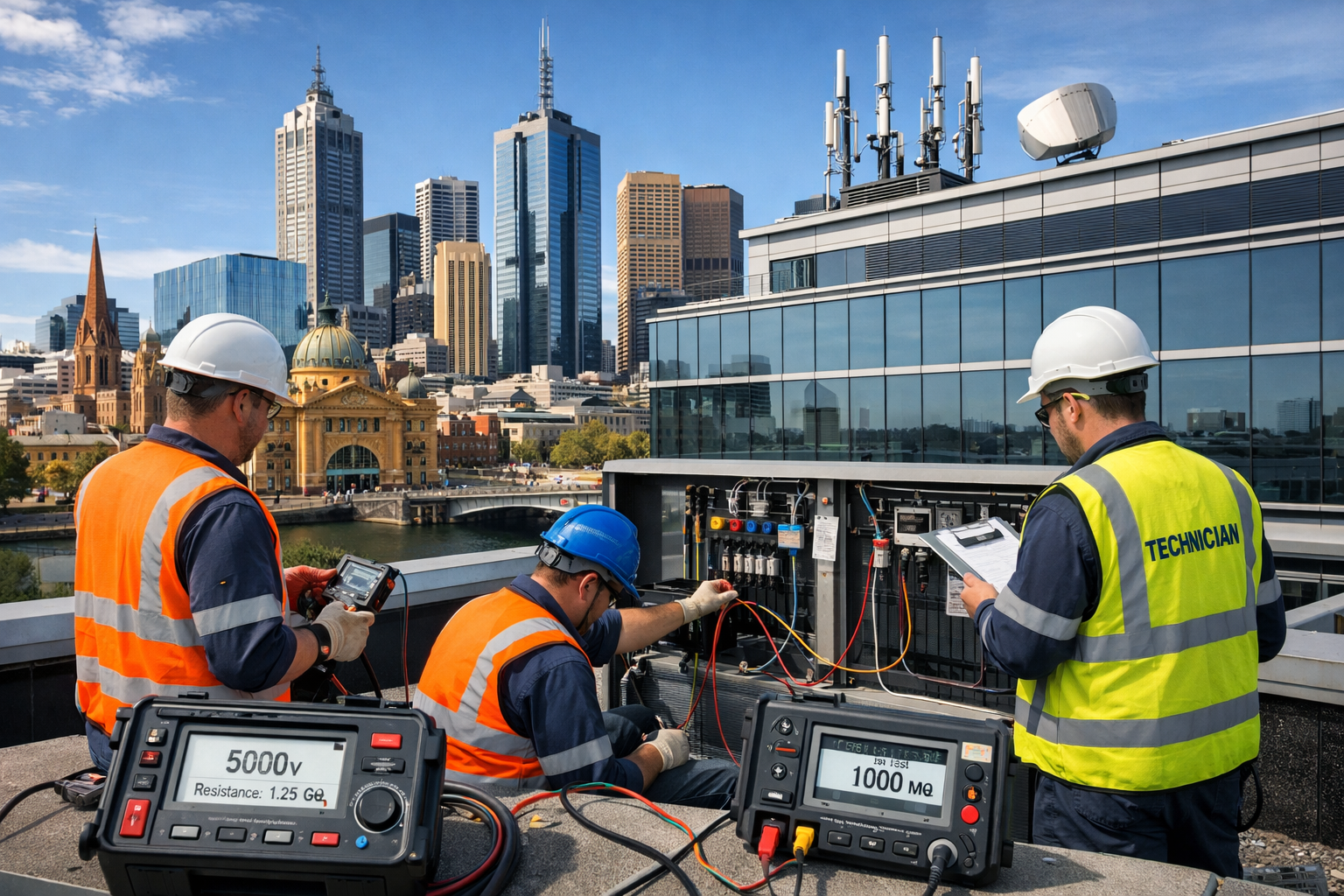
Electrical Insulation Testing Melbourne: Commercial Building Requirements
Are you a small business owner in Melbourne looking to ensure your commercial building is safe and fully compliant? When it comes to electrical safety, one of the most critical and often overlooked aspects is insulation testing. This comprehensive guide explains everything you need to know about electrical insulation testing in Melbourne—from the basics and benefits to step-by-step practical tips and insights into local best practices, codes, and regulations. Read on to discover how electrical insulation testing can help you protect your business, remain compliant, and avoid costly downtime.
Introduction: Why Electrical Insulation Testing Matters to Your Business
Electrical issues can cause significant interruptions, costly repairs, and in worst-case scenarios, even damage to your property or risk to human life. For commercial building owners, ensuring that all electrical systems are properly maintained is crucial. One key safety process is electrical insulation testing, which helps identify potential hazards before they escalate.
Here in Melbourne, maintaining strict safety standards is not only a legal obligation under local building codes, but also a practical strategy for safeguarding your business. Electrical insulation testing is an essential part of your building’s overall electrical compliance and preventative maintenance strategy. By understanding and investing in this testing, you can prevent unexpected equipment failures, electrical fires, and ensure that your commercial property meets all necessary building electrical compliance requirements.
In this article, we detail the procedure of insulation resistance testing, often using megger testing equipment, and explore the broader scope of commercial electrical services available to maintain electrical safety. From adopting best practices to preparing for a scheduled test, you’re getting insider tips on keeping your commercial property up-to-code and safe.
What is Electrical Insulation Testing?
Electrical insulation testing is the process of evaluating the integrity of electrical insulation used in wiring, equipment, and control systems. Insulation acts as a barrier to prevent electrical currents from escaping their designated paths, and any degradation or failure can lead to faults, short circuits, or worse.
How Does Insulation Testing Work?
The primary method for checking insulation quality is insulation resistance testing. During this process, a high voltage is applied across insulation materials. The equipment, commonly known as a megger, measures the resistance. The higher the resistance, the better the insulation’s performance. Key testing procedures include:
- Megger Testing: Utilizes high voltage to measure the integrity of insulation.
- Insulation Resistance Testing Values: Industry standards help determine safe resistance threshold levels.
- Dielectric Testing (High Voltage Testing): Ensures the insulation can withstand different operational voltages.
- Ohm Testing and Continuity Testing: Supplement the major tests to ensure that the system is functioning correctly.
The Importance of Insulation Integrity
In a commercial setting, compromised insulation can lead to:
- Electrical Hazards: Risk of shock or electrocution.
- System Failures: Equipment may malfunction or overheat.
- Fire Risks: Degraded insulation can trigger electrical fires.
- Financial Costs: Downtime and repairs from undetected insulation failure can be expensive.
By routinely scheduling insulation testing, especially in older buildings or environments with high moisture or industrial residues, you help catch potential failures early.
Local Melbourne Standards and Regulations
In Melbourne, commercial electrical safety is regulated under various standards such as AS/NZS 3760, which pertains to the in-service safety inspection and testing of electrical equipment. Furthermore, local building codes emphasize the importance of routine electrical testing and certification.
Key Regulations and Best Practices Include:
- AS/NZS 3760 Testing: This relates to the periodic inspection of portable electrical equipment in the workplace. While it is more focused on portable appliances, it underscores the need for regular testing routines.
- Electrical Safety Regulations: These include RCD testing, earth leakage testing, and other periodic inspections that ensure overall building electrical compliance.
- Building Code Compliance: Ensures that all electrical installations meet the minimum requirements specified in the regulations, ensuring the safety of occupants and continuity of operations.
- Commercial Property Maintenance: Routine maintenance is not just about safety; it’s also a preventative measure to reduce unexpected disruptions.
Melbourne’s commercial building owners must navigate these requirements carefully, ensuring that any testing and maintenance are performed by licensed professionals familiar with the local codes.
Benefits of Electrical Insulation Testing for Commercial Buildings
Before delving into the nitty-gritty of how to prepare and execute insulation testing, here are some key benefits that underline its importance:
Enhanced Electrical Safety
- Prevention of Electrical Hazards: Regular testing reduces the risk of shock hazards and electrical short circuits.
- Early Fault Detection: Identifies insulation breakdowns before they lead to equipment failure or fire.
- Safe Environments for Employees and Customers: Ensuring that all electrical systems are functioning as they should can protect lives and property.
Financial and Operational Benefits
- Reduced Downtime: Non-compliance or unexpected faults can lead to closures. By keeping your installations sound, you reduce the risk of operational disruptions.
- Lower Repair Costs: Early detection means that minor issues are cheaper and easier to address than full system failures.
- Insurance Benefits: Some insurance policies may offer reduced premiums when your building consistently meets electrical compliance standards.
Compliance with Building Regulations
- Legal Requirements: Ensuring that your electrical systems meet local codes like AS/NZS 3760 avoids penalties and potential legal issues.
- Certification: Regular testing results in updated electrical installation condition reports and electrical safety certificates that are often required for commercial leases or when selling a property.
- Enhanced Property Value: A well-maintained electrical system can contribute to the overall valuation of your commercial property.
Increased Energy Efficiency
- Optimal Performance: When insulation is functioning correctly, electrical systems run more efficiently, saving on energy costs.
- Prevention of Excessive Energy Loss: Degraded insulation can cause electrical leaks that reduce system efficiency.
Practical Tips for Commercial Building Owners
Managing commercial building maintenance can feel overwhelming, especially if you have multiple responsibilities as a small business owner. Here are some practical tips to help ensure that your insulation testing and overall electrical maintenance are optimised for safety and compliance:
1. Identify the Right Commercial Electrician in Melbourne
Selecting a commercial electrician who understands Melbourne’s unique regulations and the needs of your building is fundamental. Here’s how to find the right partner:
- Verify Licensing and Certification: Ensure that the electrician is licensed in Melbourne and experienced with commercial electrical services.
- Look for Specialisation: Seek an electrician who specialises in commercial settings, with proven experience in insulation testing, switchboard testing, and building electrical compliance.
- Customer Reviews and Case Studies: Check customer testimonials, online reviews, and case studies. Real-life experiences can give you peace of mind.
- Ask About Equipment and Procedures: Inquire if the handyman or company uses up-to-date insulation testing equipment like megger testers, and whether they adhere to Australian electrical testing standards.
2. Scheduling Regular Maintenance and Testing
- Plan Ahead: Incorporate insulation testing into your regular electrical safety inspection schedule. Annual or bi-annual testing is often recommended.
- Document Everything: Keep records of all tests, repairs, and inspections. Documentation is crucial for compliance with safety standards and for future maintenance efforts.
- Stay Informed: Regulations may change—ensuring you’re up-to-date on the latest electrical safety standards in Melbourne is essential.
3. Preparing Your Facility for Insulation Testing
A smooth testing process benefits everyone involved. Here are some steps to get your building ready:
- Clear Work Areas: Make sure electrical panels, wiring closets, and machinery areas are accessible for inspection and testing.
- Notify Staff: Inform all building occupants in advance about the testing schedule to ensure minimum disruption.
- Review Past Reports: If you have previous insulation resistance testing records or electrical installation condition reports, review them with your electrician to identify any recurring issues.
- Plan for Downtime: For tests that require machinery shutdown or temporary power cuts, plan these during off-peak business hours.
4. Cost Considerations and Budgeting
While safety should never be compromised, budgeting for regular testing is part of smart business management. Consider the following:
- Compare Quotes: Request several estimates from reputable commercial electricians in Melbourne.
- Long-Term Savings: While there may be an upfront cost for routine insulation testing, the long-term savings from prevented downtime and repair costs usually far outweigh these expenses.
- Insurance Impact: Proper documentation of maintenance may help lower insurance premiums.
The Insulation Testing Process: A Step-by-Step Guide
Understanding the process behind insulation testing can demystify the procedure, making it easier to plan and coordinate with your chosen electrician.
Step 1: Initial Assessment
A good commercial electrician begins with an overall assessment of your building’s electrical systems. This involves:
- Visual Inspections: Checking the condition of wiring, circuit breakers, and other electrical components.
- Historical Data Review: Examining past maintenance records can help pinpoint areas of concern.
- Risk Identification: Evaluating locations where insulation might have degraded due to environmental factors such as moisture, heat, or chemical exposure.
Step 2: Setting Up the Testing Equipment
The electrician uses specialized equipment like a megger tester. During setup:
- Safety Precautions: Ensuring that the system is isolated from power supplies to avoid dangerous electrical shocks.
- Test Parameters: Setting the appropriate voltage levels based on AS/NZS 3760 requirements and the specifics of your installation.
Step 3: Performing the Test
Once everything is set, the actual testing starts:
- Testing Procedure: A high voltage is applied to the insulation material. The equipment then measures the insulation resistance, reported in megaohms (MΩ).
- Data Recording: The results are carefully logged. Any insulation resistance values falling below acceptable safety thresholds are flagged for further review.
Step 4: Evaluating the Results
After testing, it’s crucial to evaluate the data collected:
- Comparison with Standards: The resistance values are compared with industry benchmarks. For example, industry standards may dictate that insulation resistance should not drop below a certain MΩ level.
- Identifying Problem Areas: Any unexpected drops in resistance indicate potential faults or degradation in insulation, prompting further investigation.
- Recommendation for Repairs: If issues are identified, the electrician will provide recommendations for repairs or further maintenance. This might include replacing degraded cables, resealing connectors, or other remedial measures.
Step 5: Reporting and Certification
Once the electrical insulation testing is complete:
- Detailed Reports: You receive a comprehensive report that details the testing process, results, and any recommended actions.
- Compliance Documentation: These documents form part of your building’s electrical safety certification and are often required during inspections or when submitting for insurance.
- Plan for Follow-up: Depending on the severity of any faults found, a follow-up inspection might be scheduled to ensure that repairs have been successfully implemented.
Choosing the Right Insulation Testing Equipment
Quality insulation testing relies on using the correct equipment. Here’s what you should know about the tools that ensure safe and reliable testing:
Megger Testing Equipment
- Reliability: Megger testers are the gold standard for insulation resistance testing. They can apply high voltages safely and accurately measure resistance values.
- Versatility: These devices often come with features that allow for testing of both high voltage and low voltage systems. This versatility makes them ideal for commercial maintenance.
- Ease of Use: Modern megger testers are designed for ease of handling, ensuring that commercial electricians can perform tests safely and efficiently.
Thermal Imaging and Dielectric Testing
- Thermal Imaging Inspections: Some commercial electricians supplement insulation testing with thermal imaging inspections. This technology helps detect overheating components and potential insulation failures that may not be evident with a megger test alone.
- Dielectric Testing: Typically used in more sensitive electrical systems, dielectric testing is another method to ensure that insulation remains intact under high voltage loads. It provides an extra layer of safety verification.
Utilising high-quality equipment ensures that your tests are both accurate and compliant, reducing the risks associated with faulty insulation.
Maintaining Electrical Safety: Comprehensive Commercial Services
While insulation testing is an integral part of electrical maintenance, it’s just one segment of comprehensive commercial electrical services. Here’s a broader look at related services that can help maintain overall electrical safety and compliance in your building:
Electrical Safety Inspections
- Routine Inspections: Regular safety inspections, including RCD testing and earth leakage testing, ensure that every aspect of your building’s electrical system is functioning as it should.
- Switchboard Testing: Switchboard testing verifies that distribution boards and breaker panels are in working order, a task often performed concurrently with insulation assessments.
Preventative Electrical Maintenance
- Scheduled Maintenance: Proactive preventive maintenance detects issues early—before they become major problems—saving you both time and money.
- Comprehensive Reviews: Beyond insulation, commercial electricians perform wiring inspections, circuit checks, and power quality testing to ensure that your installations are safe and efficient.
Electrical Compliance Certificates and Installation Condition Reports
- Certification: When test results meet regulatory standards, electricians provide you with an Electrical Compliance Certificate. This is often necessary for leasing, insurance, or when selling your commercial property.
- Detailed Condition Reports: These reports provide insight into the long-term reliability and safety of your electrical installations, helping you manage your building’s maintenance program more effectively.
By integrating these services into your routine maintenance plan, you create a comprehensive safety net that minimizes risks and upholds compliance with Melbourne’s stringent building codes and safety standards.
Case Example: How Regular Insulation Testing Saved the Day
Consider the story of a local Melbourne café that experienced intermittent power surges which were causing sensitive equipment to fail unexpectedly. The management had been running their operations without regular electrical maintenance until a spot check by a commercial electrician revealed that degraded wiring insulation was the root cause.
What Happened?
- Initial Problem: Small power surges and occasional equipment failures were not considered urgent until a routine check showed alarmingly low insulation resistance values.
- The Inspection: The electrician conducted a full insulation resistance test using a megger tester along with complementary thermal imaging. These tests identified critical areas where insulation had broken down.
- The Fix: The affected wiring was replaced, and the building underwent a comprehensive safety inspection. After repairs, a follow-up insulation test confirmed that the electrical system was once again operating safely.
- The Outcome: The café avoided any potential electrical hazards, future downtime, and costly emergency repairs. Their commitment to routine testing not only improved safety but also enhanced operational efficiency.
This example highlights why regular testing is not merely a regulatory formality but a crucial component of effective electrical maintenance. By taking proactive steps, business owners can avoid unexpected disruptions and maintain a safe environment for everyone.
Frequently Asked Questions about Electrical Insulation Testing
Q: How often should insulation testing be performed?
A: There’s no one-size-fits-all answer. However, most commercial buildings benefit from an annual or bi-annual inspection. The frequency depends on factors like the age of the building, environmental conditions, and the frequency of usage. Always consult a licensed commercial electrician to determine the best schedule for your property.
Q: What is an acceptable insulation resistance value?
A: Acceptable values vary by application and industry standards. In many cases, an insulation resistance value in the range of several megaohms (MΩ) is considered safe. Your electrician will compare the results against AS/NZS guidelines and manufacturer recommendations to determine if your insulation meets current safety standards.
Q: Are insulation tests disruptive to our business operations?
A: Generally, insulation testing is planned to minimize disruption. With proper scheduling—often in off-peak hours—the testing and any minor repairs can be executed with minimal interference to daily operations.
Q: Can I perform insulation testing myself?
A: Insulation testing involves high-voltage equipment and requires specialised training and knowledge of local codes. For safety and compliance reasons, it’s best to engage a licensed commercial electrician familiar with Melbourne’s regulations.
How to Get Started with Electrical Insulation Testing in Melbourne
Taking the first step toward ensuring your commercial property’s electrical safety can be simple. Here’s a brief checklist to help you get started:
- Review Your Current Maintenance Schedule: Look at the records for your last electrical test or safety inspection. If it’s been over a year, it might be time to schedule an inspection.
- Research Local Commercial Electricians: Use online directories, ask for referrals in your business network, or check with local trade associations to find reputable electricians in Melbourne.
- Request Detailed Proposals: Contact several providers and ask for detailed proposals, including the scope of work, testing methodology (e.g., megger testing, dielectric testing), and timelines.
- Verify Compliance History: Ensure that the electrician is well-versed in local building codes, AS/NZS 3760, and other relevant safety standards.
- Plan for Minimal Disruption: Work with your chosen provider to set a testing schedule that minimizes disruption to your business operations.
- Document Everything: Keep copies of all test reports, maintenance logs, and compliance certificates. These documents will be invaluable for future maintenance, insurance, or regulatory audits.
Taking these steps not only enhances the electrical safety of your property but also offers peace of mind knowing that you’re doing everything possible to protect your business and its occupants.
Final Thoughts: Prioritise Electrical Safety in Your Business
Electrical insulation testing is not just a technical procedure—it’s a lifeline that helps secure your commercial building against potential electrical hazards. By staying proactive with testing, maintenance, and compliance, you are investing in the longevity of your property, the efficiency of your operations, and the safety of everyone who enters your building.
In a bustling city like Melbourne, where local regulations are strict and safety is paramount, performing regular insulation testing aligns your business with both industry best practices and legal requirements. It’s a small investment that yields significant returns: improved safety, fewer disruptions, and a more efficient, reliable electrical setup.
Now is the time to review your current electrical maintenance strategies and consider scheduling a comprehensive insulation and electrical safety test. By partnering with experienced, licensed commercial electricians in Melbourne, you ensure that your building remains compliant, your equipment runs smoothly, and your business is fully protected.
Remember, preventative maintenance is always better than reactive repairs—especially when it comes to something as critical as electrical safety. Start today to secure a safer, more compliant tomorrow.
Summary of Key Points
- Electrical insulation testing is essential for detecting early signs of insulation failure, ensuring safety, and preventing costly downtime.
- Using specialised equipment like megger testers and thermal imaging tools, a licensed electrician can accurately assess your building’s insulation resistance.
- Regular testing, aligned with local Melbourne standards such as AS/NZS 3760, ensures your commercial building stays compliant with electrical safety regulations.
- Engaging a reputable commercial electrician, scheduling routine tests, and documenting every process can safeguard your investment and enhance operational continuity.
- Adopting comprehensive electrical maintenance not only meets compliance standards but also increases energy efficiency, reduces risk, and boosts your property’s overall value.
Final Call to Action
If you’re a Melbourne business owner, don’t wait until an unexpected breakdown forces you into costly repairs or safety hazards. Get in touch with a trusted commercial electrician who specialises in electrical insulation testing today. Ensure your building is safe, compliant, and ready to face the future with confidence.
Taking charge of your electrical maintenance could be one of the smartest decisions you make for your business. Whether you run an office building, industrial facility, or retail space, proactive insulation testing is a vital part of your long-term success strategy.
Stay safe, stay compliant, and let your business shine knowing that your electrical systems are in the best hands possible.
By following this guide on electrical insulation testing in Melbourne, you are better equipped to make informed decisions about your building’s electrical safety. With the right expertise, equipment, and proactive maintenance strategies, a safe and compliant environment is well within your reach. Here’s to a more secure, efficient, and unstoppable business journey in Melbourne!
0 Comments