
Table of Contents
- Introduction: Why Electrical Systems Matter in a Printing Factory
- Understanding the Electrical Requirements of a Printing Facility
- Key Electrical Challenges in a Printing Factory
- Essential Features and Benefits of Modern Electrical Systems
- Preparing Your Factory for Electrical Upgrades
- Finding a Commercial Electrician in Melbourne Suited to Your Needs
- Maintenance, Safety, and Local Regulations
- Practical Tips for a Successful Electrical Project
- Conclusion
Running a printing factory is a serious business – and as a small business owner or manager based in Melbourne, you know that keeping your machinery running smoothly is key to success. In today’s blog post, we’re going to break down everything you need to know about printing factory electrical services in Melbourne. From the challenges of meeting industrial equipment requirements to the nitty-gritty of electrical regulations and safety standards, we’ll provide you with the essential info and practical tips to keep your printing operations humming along without a hitch.
Whether you’re upgrading your production line or just starting out in the commercial printing industry, understanding the complexities of factory electrical installation and maintenance is crucial. We’re here to help you navigate these obstacles with ease. So, let’s dive in and discover how to ensure your printing facility’s electrical systems are reliable, efficient, and code compliant!
Introduction: Why Electrical Systems Matter in a Printing Factory
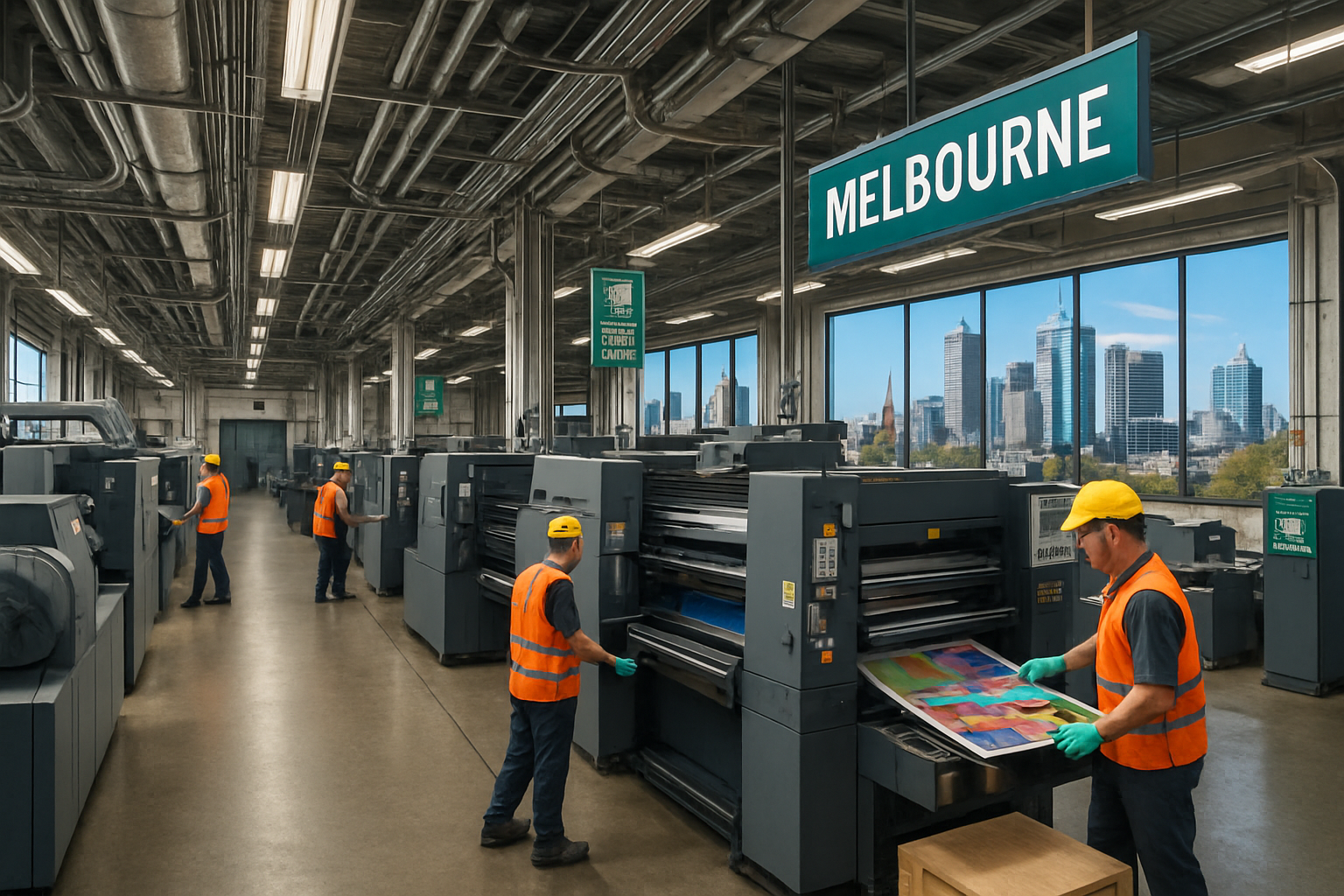
A printing factory is a complex environment that relies on high-tech, heavy machinery to ensure smooth production of commercial printing equipment. Business owners in Melbourne understand that any downtime can lead to missed deadlines, dissatisfied customers, and ultimately, lost revenue. That’s why ensuring you have a robust electrical setup isn’t just a nice-to-have—it’s a must.
From the moment you step into your printing facility, adequate power distribution, efficient wiring, and proper installation of electrical systems can significantly affect productivity and safety. When it comes to printing press electrical requirements, even minor glitches or outdated wiring can result in costly repairs or dangerous situations.
In this article, we’ll explore:
- How high-quality electrical services tailored for printing factories can reduce downtime.
- The importance of compliance with electrical codes and safety regulations.
- Practical advice on finding the right commercial and industrial electrician in Melbourne.
- Key features and benefits of upgrading or properly maintaining your electrical systems.
So, if a printing factory electrical Melbourne service is what you need, keep reading as we unravel industry best practices and offer actionable tips to boost efficiency and safety.
Understanding the Electrical Requirements of a Printing Facility
The Role of Electrical Systems in a Printing Factory
Electrical systems are the backbone of any manufacturing facility, and printing operations are no exception. In a typical printing factory, industrial equipment such as printing presses and other commercial printing machinery needs a continuous, stable, and robust power supply. Whether you’re engaging in heavy machinery electrical tasks or ensuring safe wiring for printing machine installation, the goal is to minimize risk while maximizing efficiency.
Key aspects include:
- Power Distribution: Ensuring that power is distributed evenly across various sections of the facility to avoid overloading circuits. This means having a well-laid-out factory power distribution plan.
- Wiring Infrastructure: Specialized printing machinery wiring must be done with careful attention to the individual power requirements of each machine.
- Three Phase Power Installation: Many industrial printers and heavy machinery often require three-phase power systems. This type of electrical supply not only offers stability but also supports energy efficiency in high-demand environments.
- Safety and Compliance: Adhering to the strict regulations set out by local authorities in Melbourne, including obtaining necessary permits and having regular inspections, ensures the safety of your work environment.
Why Specific Electrical Services Matter
For printing factories, the demands placed on the electrical infrastructure go beyond typical commercial setups. For instance, industrial electrical contractors focus on:
- Factory Electrical Installation: This involves designing, installing, and testing power systems for the heavy electrical load that commercial printing equipment can impose.
- Electrical Upgrades: Over time, as production increases or new machinery is installed, your electrical systems might require upgrades to cope with new demands. Upgrading circuits, switchboard systems, and even lighting solutions is necessary to maintain efficiency.
- Factory Electrical Maintenance: Regular servicing, fault finding in industrial environments, and timely inspections are all important parts of ongoing electrical maintenance industrial practices.
Ensuring your printing factory electrical services are tailored to such specific requirements can save you from unexpected downtime and high repair costs in the long run.
Key Electrical Challenges in a Printing Factory
Running a printing facility means balancing high operational demands with strict adherence to local electrical codes and safety standards. Here are common challenges business owners face:
1. High Electrical Load and Power Demand
Printing machinery is power intensive. Whether you’re managing commercial printing equipment or engaging in heavy machinery electrical projects, the high load might demand specialized circuits and reliable switchboard designs.
- Challenge: Overloading standard circuits can lead to voltage drops, equipment malfunction, or even fires.
- Solution: Work with an industrial electrician Melbourne specialist who can design a custom power distribution system incorporating three-phase power installations and high-capacity circuit breakers.
2. Complex Machinery Integration
Modern printing facilities deploy a range of equipment from large printing presses to automated finishing systems. Uniting these under one electrical system can be complicated.
- Challenge: Improper wiring can cause interference between machines or unexpected downtime.
- Solution: A thorough assessment by a printing plant electrician who is familiar with printing press installation and wiring requirements is necessary to avoid disruptions.
3. Electrical Fault Finding in Industrial Environments
Complex electrical systems come with the risk of faults. Factory electrical inspections and fault finding in industrial settings are essential to ensure every component is working optimally.
- Challenge: Faults aren’t always obvious, and unplanned downtime due to electrical issues can be both dangerous and expensive.
- Solution: Regular maintenance as part of a comprehensive factory electrical maintenance plan can help catch issues before they escalate.
4. Safety Regulations and Compliance
Melbourne’s electrical codes are strict for a reason. They ensure the safety of not only your employees but also your equipment and overall operations.
- Challenge: Navigating multi-layered regulations while ensuring your equipment is compliant can be overwhelming.
- Solution: Consult with a commercial electrician Melbourne who is fully versed in local regulations, ensuring everything from factory lighting installation to industrial electrical design adheres to the Australian standards.
5. Retrofitting and Upgrading Older Systems
As your printing facility grows, your electrical system might need to evolve as well. Outdated wiring and circuit breaker systems may not handle the load of modern equipment.
- Challenge: Upgrading these systems in an operating factory without disrupting production requires careful planning.
- Solution: Engage with a trusted manufacturing electrical contractor who can retrofit your existing setup with minimal interruption to your business operations.
Essential Features and Benefits of Modern Electrical Systems
Investing in modern electrical infrastructure provides numerous benefits. Here’s how up-to-date systems can help your printing factory stay ahead:
Improved Efficiency and Productivity
Modern systems are engineered to handle high loads more efficiently. With specialized installations like three-phase power, heavy machinery electrical setups become more reliable, reducing the frequency of power outages and unscheduled downtimes.
- Benefits:
- Lower energy consumption.
- Consistent power supply, which means your printing presses and commercial printing equipment run without hiccups.
- A more streamlined workflow and reduced chances for error due to consistent performance.
Enhanced Safety and Compliance
A factory electrical installation designed by professionals ensures that every aspect of your wiring and equipment installation meets current safety standards. This is particularly important in manufacturing environments where distractions or minor mishaps can have major consequences.
- Benefits:
- Minimizes risk of electrical hazards such as fires or electrocution.
- Ensures your facility adheres to local Melbourne electric codes and regulations.
- Improves workplace safety, which can lead to lower insurance premiums and enhanced employee morale.
Scalability and Future-Proofing
Modern electrical systems are designed not just for today’s needs but for future expansion. As your business grows or you add new, more power-demanding printing machinery, scalable solutions ensure that your facility is prepared for growth.
- Benefits:
- Future-proof your infrastructure to keep pace with technological advancements.
- Avoid costly overhauls by designing systems that can easily be upgraded.
- Stay ahead of competitors by maintaining a state-of-the-art operational facility.
Cost Savings in the Long Run
While the initial investment in upgrading or installing new systems may be significant, it pays off through lower energy bills, fewer maintenance interruptions, and delayed capital expenses related to emergency repairs.
- Benefits:
- Reduced overall operational costs.
- Lower maintenance expenses, as new systems are less likely to experience frequent breakdowns.
- Minimization of downtime, which directly impacts productivity and revenue.
Advanced Monitoring and Automated Control
Modern industrial power systems often come with integrated monitoring solutions that allow for real-time tracking of electrical load, energy consumption, and potential faults.
- Benefits:
- Real-time diagnostics lead to proactive maintenance.
- Ability to adjust power distribution automatically to prevent overloads.
- Enhanced overall control over your factory’s electrical operations for a smoother workflow.
Preparing Your Factory for Electrical Upgrades
Before you dive into a major overhaul of your electrical systems, a bit of planning goes a long way. Here are some steps to prepare your printing factory for electrical upgrades:
Assess Your Current Electrical Systems
Start with a comprehensive review of your existing electrical installations. Look out for outdated wiring, insufficient power supply, or any signs of wear and tear.
- Tip: Consider hiring an industrial electrician Melbourne who specializes in factory electrical inspection and maintenance. An expert eye can spot issues that might be easily overlooked.
Map Out Your Power Requirements
Each piece of equipment in your printing factory will have unique electrical needs. Create a detailed inventory of all machinery – from printing presses and commercial printing equipment to lighting and HVAC systems – to understand the overall demand.
- Tip: A custom electrical layout design prepared by an industrial electrical contractor can help ensure every machine is fed the rest of its power needs without compromise.
Plan for Downtime
Electrical upgrades, especially in a running printing facility, might require temporary shutdowns or phased installations to avoid disrupting operations.
- Tip: Work with your commercial electrician Melbourne to develop an implementation schedule that minimizes production downtime. Some upgrades can be performed during off-peak hours or scheduled maintenance windows.
Set a Budget and Secure Funding
Electrical upgrades can be a significant investment. It is vital to set a budget and explore financing options if needed, ensuring that the quality of work isn’t compromised by cost-saving measures.
- Tip: Request multiple quotes from verified industrial electrical contractors to get a competitive and fair price for your project.
Involve Stakeholders
Keep your team and management informed throughout the process. Training sessions and regular updates can ensure everyone is on board with the changes, reducing resistance and facilitating a smoother transition.
- Tip: Involve staff in safety briefings and workshops related to new electrical systems to promote a culture of safety and efficiency.
Finding a Commercial Electrician in Melbourne Suited to the Job
The success of your printing factory electrical upgrade largely depends on having the right professionals on board. Here’s how to choose a suitable commercial and industrial electrician in Melbourne:
Look for Specialized Experience
Not all electricians are created equal when it comes to industrial projects. Ensure your chosen contractor has:
- Experience with printing factory electrical services and industrial printing equipment installation.
- A proven track record of handling high-demand loads and three-phase power installations.
- Knowledge of factory electrical safety, compliance, and local Melbourne regulations.
Ask for Reviews and References
Word of mouth can be a powerful tool. Make sure you review testimonials and seek references from similar businesses in the printing and manufacturing industries.
- Tip: Look for online reviews and success stories related to electrical upgrades in industrial settings. A well-reviewed industrial electrician Melbourne can offer peace of mind that the job will be completed efficiently and safely.
Verify Licensing and Insurance
Always work with licensed professionals who carry the necessary insurance. This protects your business in case of any accidents during installation or maintenance.
- Tip: Ask about credentials and check with local regulatory boards to confirm that the electrician is fully compliant with Melbourne’s commercial electrical contractor requirements.
Evaluate Their Approach to Project Management
Effective communication and project management are key to a hassle-free installation process. The right electrician will offer clear timelines, regular updates, and contingency plans for unexpected challenges.
- Tip: During initial consultations, assess how well the contractor listens to your needs and whether they provide a detailed proposal outlining every step of the job, including factory circuit breakers upgrades, industrial switchboard installations, and necessary permits.
Consider Local Expertise
When it comes to local projects, nothing beats hands-on experience within the Melbourne area. A contractor familiar with local codes and suppliers will likely offer more tailored solutions that meet both your operational and budgetary needs.
Maintenance, Safety, and Local Regulations
Once your electrical systems are updated or installed, ongoing maintenance and strict adherence to safety standards are essential. Here’s what Melbourne-based printing facilities should consider:
Regular Electrical Maintenance and Inspections
Establish a maintenance schedule with a reputable industrial electrical contractor. Routine inspections help you identify potential issues early, from minor wiring faults to major circuit breaker concerns.
- Key Services Include:
- Diagnostic testing and predictive maintenance.
- Routine factory electrical safety checks.
- Factory electrical testing to ensure compliance with local and national standards.
Safety Protocols and Employee Training
Employee safety is paramount, especially in a high-energy environment like a printing factory. Partner with your commercial electrician Melbourne to implement regular safety training sessions and update procedures based on the latest electrical safety advancements.
- Key Areas to Cover:
- Proper lockout/tagout methods during maintenance.
- Emergency shutdown procedures specific to high-voltage equipment.
- Safe handling and routine checks of equipment like industrial power systems and printing machinery wiring.
Keeping Up with Melbourne’s Electrical Regulations
Melbourne’s electrical codes are designed to protect both your business and your staff. Ensuring compliance isn’t just about passing an inspection – it’s about making a commitment to operational excellence. Some local best practices include:
- Consult Professional Guidelines: Work with your electrical contractor to stay updated on Australian standards such as AS/NZS 3000 – the Wiring Rules.
- Permit and Certification: Ensure that any new installation or major upgrade has the appropriate permits and certifications.
- Regular Audits: Participate in local audits and safety inspections to keep abreast of any changes in regulations that might affect industrial electrical design or printing facility electrical systems.
- Documentation: Keep all records of electrical inspections, maintenance, and upgrades. This documentation can be critical to ensure continued compliance with manufacturing electrical safety protocols.
Technology and Automation in Maintenance
Many modern industrial power systems now come with built-in diagnostic tools that can alert you to issues before they become major problems. Embracing these technologies in your printing factory electrical installation can offer an extra layer of safety and efficiency.
- Benefits Include:
- Automated alerts for abnormal energy consumption or potential failures.
- Remote monitoring capabilities that help electricians quickly diagnose and address issues.
- Integrated systems that can automatically adjust power loads to protect sensitive equipment.
Practical Tips for a Successful Electrical Project
To wrap things up on a high note, here are some practical tips you can use to ensure your electrical project runs as smoothly as your printing operations:
1. Never Cut Corners on Quality
When dealing with factory electrical installation, quality should be your top priority. Always invest in top-quality components and hire experienced professionals. A stellar installation now can save you from expensive repairs later.
2. Plan for the Long Term
Think ahead. Even if your current machinery meets your needs, consider potential future expansions. Ask your contractor about scalable solutions for industrial electrical upgrades, such as modular switchboards or flexible wiring systems.
3. Keep Communication Open
Regular updates from your electrical contractor can help avoid surprises. Schedule periodic site reviews and ensure that everyone involved in the project is on the same page. A clear line of communication can greatly reduce the stress of managing a significant project in a busy printing facility.
4. Prioritize Safety Over Speed
Rushing an installation process might seem tempting, but nothing beats the peace of mind that comes with a safe, thoroughly inspected, and well-documented electrical system. Always prioritize safety checks and compliance with local Melbourne regulations.
5. Leverage Technology
Modern tools for monitoring and diagnostics can be invaluable. When possible, opt for systems that integrate technology into maintenance and fault-finding processes. This can mean less guesswork and quicker responses when something isn’t right.
6. Develop a Contingency Plan
Electrical upgrades can be complex. Be prepared for unexpected delays or hiccups by having a backup plan. This might mean scheduling extra time for potential issues or ensuring that critical operations have a fail-safe power source.
7. Ask Questions and Educate Yourself
As a business owner, the more you know, the better decisions you can make. Don’t hesitate to ask your electrician questions about best practices, local regulations, or the latest technologies in industrial electrical design. An informed client is more likely to enjoy a smoother project experience and optimal results.
Conclusion
Upgrading and maintaining the electrical systems in your printing factory is a crucial step towards ensuring smooth operations and meeting the growing demands of modern printing technology. Whether you’re facing challenges with high electrical loads, complex machinery integration, or the need for advanced safety protocols, the right approach can make all the difference.
By understanding the intricacies of printing factory electrical services in Melbourne, from three-phase power installation to regular factory electrical maintenance and rigorous compliance with local regulations, you’re investing in the future of your business. The benefits of upgraded, efficient, and robust electrical systems include not only improved productivity and safety but also long-term cost savings and scalability for future growth.
Remember, finding the right commercial electrician Melbourne specialist who understands your unique operational challenges is essential. Their expertise will guide you through every step—from planning and installation to ongoing maintenance and safety compliance—ensuring that your printing machinery wiring, industrial power systems, and overall factory electrical systems run without a hitch.
As a small business owner, you deserve an electrical setup that mirrors your commitment to quality and efficiency. Using the practical tips in this post, you’re well-equipped to make informed decisions that support your surge forward in the competitive printing market.
Feel free to reach out to professionals who specialize in printing press electrical requirements and industrial equipment wiring when you need help. It’s all about creating a safe, efficient, and reliable environment that allows your printing operations to thrive.
Thank you for taking the time to read through our detailed guide on printing factory electrical Melbourne services. We hope you now feel more confident about handling your factory’s electrical challenges and seizing the benefits of modern industrial electrical upgrades. Here’s to powering up your business the smart way!
By following these guidelines and incorporating the best practices discussed, your printing facility can enjoy improved operational efficiency, reduced risk of downtime, and a safer working environment for your employees. Remember, a well-powered factory is the foundation of business success in today’s competitive printing landscape. Stay safe, stay compliant, and keep your factory’s lights on – both literally and figuratively!
If you have any questions or need further advice tailored to your unique situation, don’t hesitate to contact a local industrial electrician Melbourne expert. Their insights will be invaluable as you continue your journey in ensuring that your printing facility remains at the cutting edge of technology and safety.
Happy printing and even happier powering-up!
0 Comments