
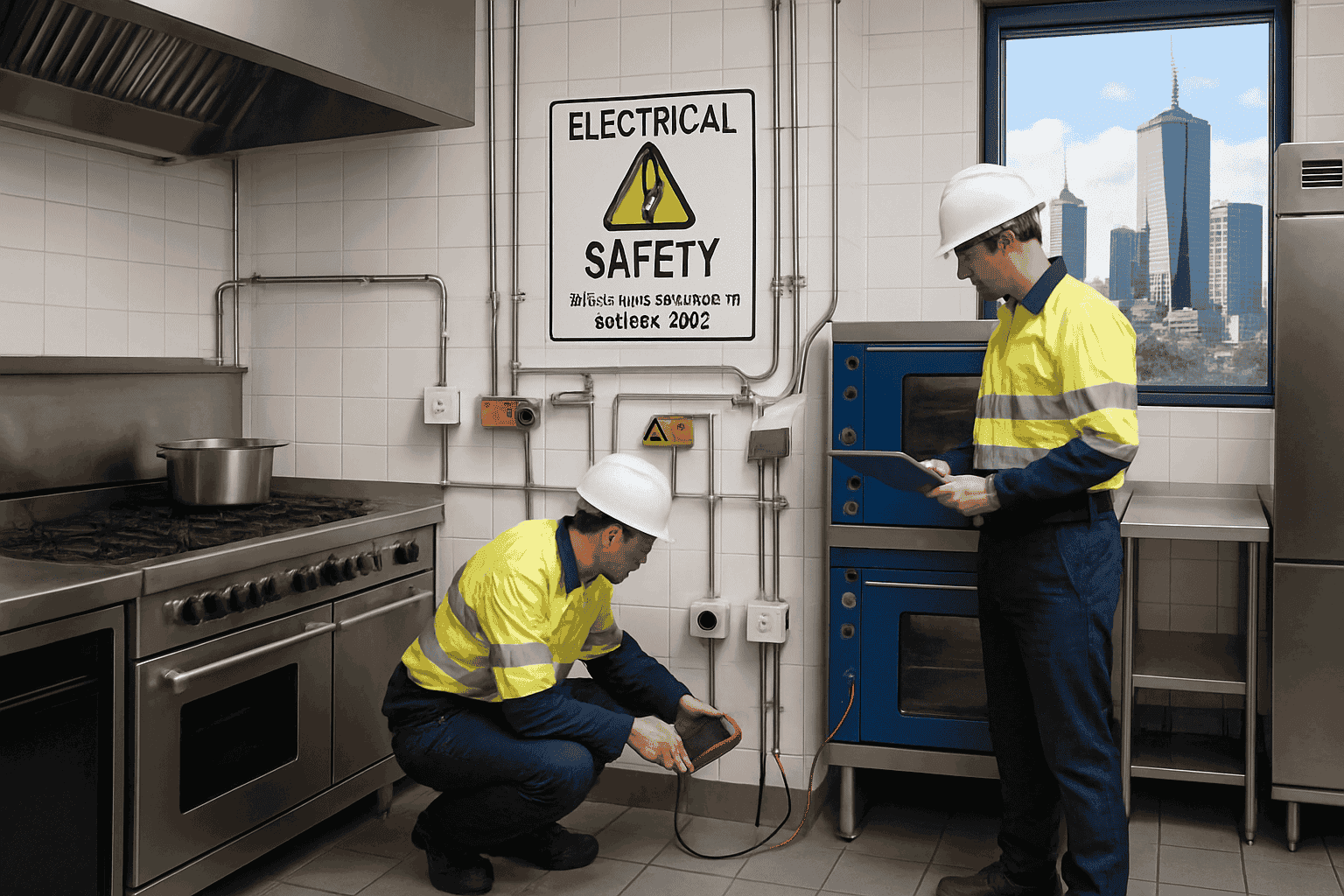
Understanding the Basics of Commercial Kitchen Electrical Systems
Melbourne’s Electrical Safety Standards & Regulations
Key Components of a Commercial Kitchen Electrical Installation
Features and Benefits of a Compliant Commercial Kitchen Electrical System
Selecting the Right Melbourne Commercial Electricians
Practical Preparation Tips for Electrical Installations
Maintaining and Upgrading Your Commercial Kitchen Electrical System
Case Studies & Real-World Examples
Commercial Kitchen Electrical Installation Melbourne: Safety Standards
Running a commercial kitchen in Melbourne isn’t just about serving up top-notch meals—it’s also about ensuring that your electrical systems are up to scratch. For business owners in the hospitality industry, electrical safety and compliance are crucial, as they not only impact operational efficiency but also protect lives and protect your investment. In this article, we’re diving deep into the world of commercial kitchen electrical installation in Melbourne, discussing safety standards, regulations, and practical tips for choosing and preparing for the right electrical contractor. Whether you’re updating an existing setup or starting from scratch, read on to get the full picture!
Understanding the Basics of Commercial Kitchen Electrical Systems
In any commercial kitchen, electrical systems form the backbone of daily operations. These systems are designed to power everything from heavy-duty cooking equipment to delicate digital counters and control panels. Here’s a closer look at what comprises a robust commercial kitchen electrical installation:
The Role of Commercial Kitchen Electrical Installation
- Powering Equipment: A commercial kitchen can house equipment that ranges from ovens, grills, fryers, and dishwashers to sophisticated HVAC systems and digital control units.
- Energy Management: Proper installation ensures efficient energy usage, which is crucial for managing operating costs.
- Safety and Compliance: Adhering to electrical safety standards and codes minimizes risks like short-circuits, overloads, and fires.
- Operational Reliability: Consistent power supply without interruptions is vital, especially during peak business hours.
Understanding Commercial Kitchen Wiring
Wiring in a commercial setting differs significantly from residential wiring. It involves higher loads, specialized circuits, and sometimes even dedicated power sources for high-demand appliances. A correctly designed wiring system will include circuit breakers, residual current devices (RCDs), and proper grounding to manage the high power requirements safely.
Electrical Codes in the Food Service Industry
Electrical codes for commercial kitchens are rigorous because of the unique risks posed by a high-moisture, high-temperature environment where grease and water are present. Compliance with these codes—such as the Australian/New Zealand Wiring Rules (AS/NZS 3000—the “Wiring Rules”)—is mandatory. These codes ensure installations are safe and predictable, helping protect both property and lives.
Melbourne’s Electrical Safety Standards & Regulations
Local Regulations and Their Importance
Melbourne business owners need to be particularly mindful of local electrical safety standards. The city’s evolving infrastructure and the high density of commercial kitchens mean that strict adherence to electrical codes is not just recommended—it’s required by law. Local authorities work in tandem with state regulators to ensure that commercial kitchens comply with mandatory electrical standards.
Key Regulations for Commercial Kitchens in Melbourne
- AS/NZS 3000 Wiring Rules: These rules are fundamental for ensuring that all commercial wiring installations meet specified safety and performance standards.
- Electrical Licensing: Licensed Melbourne electricians are required to perform all commercial installations. They are trained and accredited to understand industry-specific challenges and regulatory needs.
- Regular Inspections: Authorities may require periodic inspections to ensure ongoing compliance, especially in settings with higher risks such as kitchens.
- Risk Assessments: Business owners are advised to conduct routine risk assessments for their electrical systems. Identified risks must be remediated promptly to avoid penalties and potential hazards.
- Compliance Certificates: After installation, obtaining a Certificate of Compliance is crucial. This document asserts that your kitchen’s electrical work meets local safety standards.
The Impact of Non-Compliance
Failure to comply with these regulations can result in hefty fines, business downtime, and increased insurance premiums. More importantly, non-compliance might compromise the safety of employees and customers. Investing in a compliant installation can prevent costly legal and operational issues down the line.
Key Components of a Commercial Kitchen Electrical Installation
When planning an electrical installation in a commercial kitchen, several specific components should be given special attention:
Circuit Design and Distribution
A commercial kitchen typically requires multiple circuits to safely power various appliances. A well-planned circuit design involves:
- Dedicated Circuits: High-demand equipment, such as ovens and dishwashers, should operate on dedicated circuits to prevent overloads.
- Load Balancing: Ensuring that electrical loads are evenly distributed across circuits can reduce the risk of circuit failure.
- Emergency Shut-offs: Install safe and easily accessible shut-off switches in case of emergencies.
Lighting and Outlet Placement
Proper lighting is vital for both safety and functionality. Adequate task lighting in food preparation areas and ambient lighting in dining zones are must-haves. Additionally, strategically placed electrical outlets are necessary for both equipment and general power needs.
Kitchen Equipment Electrical Requirements
Commercial kitchen equipment often comes with specific power requirements. For instance:
- Commercial Ovens and Grills: Typically require high voltage and amperage needs.
- Refrigeration Units: Must have backup circuits to ensure constant power supply for food safety.
- Dishwashers and Ventilation Systems: Need to be connected to dedicated circuits to handle high moisture and grease loads.
- Point-of-Sale Systems and Digital Controls: Require lower voltage, carefully isolated from high-demand circuits for stability and security.
Safety Mechanisms
Installing robust safety mechanisms is critical. These include:
- Residual Current Devices (RCDs): Offer additional protection against electrical shocks.
- Surge Protectors: Safeguard sensitive electronic equipment against power surges.
- Fire Alarm and Suppression Systems: Integrated electrical controls help manage kitchen fire risks effectively.
Features and Benefits of a Compliant Commercial Kitchen Electrical System
A well-designed and compliant commercial kitchen electrical system offers numerous advantages, including:
Enhanced Safety
- Reduced Fire Risk: Compliant installations lower the risk of electrical fires and short circuits.
- Employee Protection: Safety measures protect kitchen staff from electrical hazards.
- Customer Assurance: A safe kitchen builds customer trust in your brand and operations.
Improved Operational Efficiency
- Consistent Power Supply: Reliable installations keep your kitchen running smoothly, preventing unexpected downtimes.
- Optimized Equipment Performance: Correct voltage and current distribution ensure that all appliances perform efficiently.
- Energy Management: Modern electrical systems include energy-efficient technologies that can reduce operating costs.
Regulatory Compliance
- Peace of Mind: Adhering to local electrical codes removes the worry of legal issues or fines.
- Insurance Benefits: A compliant installation can reduce insurance premiums, as providers often offer lower rates for businesses that meet safety standards.
- Future-Proofing: As your business grows, an effective electrical system can accommodate additional equipment without compromising safety or efficiency.
Practical Financial Benefits
- Long-term Cost Savings: Prevents expensive repairs and potential business interruptions.
- Increased Property Value: A building with a high-standard electrical system is an asset should you ever decide to sell or lease your property.
- Risk Mitigation: Minimizes costly liability issues related to electrical hazards, reducing the chance of heavy fines and litigation.
Selecting the Right Melbourne Commercial Electricians
Finding the right electrician for your commercial kitchen installation in Melbourne is a critical step. Here are some tips to guide you in making the best choice:
What to Look For
- Licensing and Accreditation: Ensure that the electrician is fully licensed and accredited by local authorities. Melbourne requires its commercial electricians to undergo rigorous training to handle high-risk environments like kitchens.
- Specialisation in Commercial Kitchens: Look for electricians with a focus on hospitality electrical services, as their expertise in commercial kitchen wiring and equipment installation will be invaluable.
- Experience and References: Ask for case studies or client references that highlight previous work in commercial kitchens. Longevity in the industry often means a deeper understanding of compliance and safety standards.
- Knowledge of Local Regulations: The best Melbourne electricians are well-versed in local electrical codes, including AS/NZS 3000 and other specific regulations applicable to food service environments.
- Insurance and Warranty: Ensure that your chosen contractor offers comprehensive insurance and warranties on their workmanship. This protects you from any potential issues that may arise post-installation.
Questions to Ask Potential Contractors
- What experience do you have with commercial kitchen electrical installations?
- Can you provide examples or references from previous restaurants, cafes, or catering facilities?
- How do you stay updated with Melbourne’s electrical regulations and safety standards?
- What kind of warranty or guarantee do you provide for your work?
- What steps do you take to ensure minimal disruption to daily operations during the installation process?
Evaluating Your Options
Take the time to request multiple quotes and compare not only the cost but also the scope of work, timeline, and level of customer service. A reputable Melbourne commercial electrician will explain every detail in layman’s terms, ensuring you fully understand what’s being done and why it’s necessary.
Practical Preparation Tips for Electrical Installations
Before you begin your commercial kitchen electrical installation project, proper preparation is key to ensuring a smooth process. Here are some actionable tips:
Conduct a Thorough Site Assessment
- Evaluate Existing Infrastructure: If you’re upgrading an existing kitchen, start with an evaluation of your current electrical systems. Identify any outdated or unsafe wiring areas.
- Plan for Future Growth: Consider future equipment purchases and expansion plans. Design your circuits and power supply to accommodate additional loads.
- Risk Analysis: Conduct an electrical risk assessment with your electrician. Identifying potential hazards before installation can save time and costs later.
Develop a Detailed Installation Plan
- Timeline Coordination: Work with your electrician to develop a timeline that minimizes disruption to your operations. For busy commercial kitchens, planning installations during off-peak hours can be beneficial.
- Budgeting: Allocate funds not only for the installation but also for unexpected costs. An upfront investment in quality electrical systems can prevent expensive repairs and replacements in the future.
- Safety Protocols: Ensure that proper safety measures are in place during installation. This includes clearly marking work zones, installing temporary safety barriers, and securing the site after hours.
Communicate with Your Team
- Staff Briefings: Inform your kitchen staff and management about the installation timeline and any temporary changes to their work environment.
- Training Sessions: Once the electrical installation is complete, consider a brief training session on new safety protocols or equipment operation changes.
- Emergency Layouts: Update your emergency plans to include new shut-off switches and safety mechanisms so that everyone knows what to do in case of an electrical issue.
Maintaining and Upgrading Your Commercial Kitchen Electrical System
A successful electrical installation is just the beginning. Regular maintenance and timely upgrades are key to ensuring ongoing safety and efficiency.
Routine Maintenance Practices
- Scheduled Inspections: Regular inspections by licensed Melbourne commercial electricians can identify potential hazards early. These inspections might include checking RCDs, circuit integrity, and overall system performance.
- Preventative Replacements: Replace aging components like wiring, circuit breakers, or fuses proactively to avoid unexpected failures.
- System Testing: Periodically test all emergency shut-offs and safety devices to ensure they function as expected under duress.
Upgrading for Efficiency and Safety
As technology advances, newer systems may offer better energy efficiency, enhanced safety features, or improved compliance with updated regulations. Upgrading your commercial kitchen electrical system might involve:
- Energy-Efficient Lighting: Replacing outdated lighting with LED solutions that consume less power.
- Smart Control Systems: Incorporating digital systems that manage electrical loads in real time can help streamline operations.
- Enhanced Safety Equipment: Newer surge protectors, fire detection systems, and circuit management tools provide better protection against hazards.
- Scalable Infrastructure: A modular system that can be expanded as your kitchen grows ensures that you’re not constantly overhauling your electrical design.
Keeping Up with Changing Regulations
Melbourne’s electrical codes and safety standards can evolve. Staying informed about changes in local regulation or industry standards is vital. Subscribe to updates from local regulatory bodies, or maintain an ongoing partnership with a trusted commercial electrician who can alert you to necessary modifications.
Case Studies & Real-World Examples
Real-world experiences can provide valuable insight into the benefits of a properly executed commercial kitchen electrical installation. Below are a few examples that highlight common issues and best practices:
Case Study 1: A Busy Café in Fitzroy
A popular café in Fitzroy was experiencing frequent power interruptions during peak hours due to an overloaded circuit feeding multiple appliances. The owner consulted a reputable Melbourne commercial electrician who redesigned the circuit layout, dedicating separate circuits for high-demand equipment and installing RCDs for additional safety. The result? A noticeable drop in downtime and lowered energy bills, proving that investing in a detailed electrical upgrade can pay off both operationally and financially.
Case Study 2: A Restaurant Undergoing a Renovation in Southbank
A well-known restaurant in Southbank was undergoing a complete renovation. The new electrical design included energy-efficient lighting, smart load management, and updated surge protection. The electrical contractor ensured the layout allowed for future expansion, a critical factor given the restaurant’s expanding customer base. With the installation fully compliant with AS/NZS 3000 standards and local regulations, the restaurant not only enhanced its safety record but also improved efficiency.
Case Study 3: An Industrial Kitchen in the CBD
An industrial kitchen serving a large catering facility in the CBD needed to meet strict commercial kitchen electrical safety standards. An experienced team of Melbourne electricians installed several dedicated circuits, implemented rigorous fire protection systems, and provided training to the staff on emergency procedures. Regular maintenance schedules were established, ensuring ongoing compliance. This example demonstrated that planning for high-demand operations in advance can significantly reduce operational risks.
Conclusion
Investing in a high-quality, compliant commercial kitchen electrical installation in Melbourne is essential for any business in the hospitality sector. A modern electrical system that adheres to stringent safety standards not only protects your employees and customers but also ensures operational efficiency and future-proofing for expansion.
From understanding the specific power needs of your kitchen equipment to navigating local regulations and codes such as the AS/NZS 3000 Wiring Rules, every step in the installation process plays a vital role in the overall safety and functionality of your kitchen. By selecting experienced Melbourne commercial electricians who specialise in hospitality and food service electrical work, you can rest assured that your kitchen will meet all safety and compliance requirements.
Remember that proper planning, regular maintenance, and timely upgrades are as important as the installation itself. In the fast-paced, high-stakes environment of a commercial kitchen, investing in electrical safety is investing in the longevity of your business. With the right strategy and trusted professional guidance, you can create a safe, efficient environment that supports your culinary creativity and business growth.
Whether you are setting up a brand-new restaurant, renovating an existing café, or upgrading an industrial kitchen, following these insights will help you navigate the complexities of commercial kitchen electrical installation in Melbourne. Prioritise safety and compliance today, and your business will be well-positioned for future success.
Thank you for reading! If you have any questions or need further guidance on commercial kitchen electrical installations, feel free to leave a comment or reach out to a trusted Melbourne commercial electrician. Here’s to powering your culinary venture safely and effectively!
By following the presented best practices, guidelines, and real-world tips, you’ll be well on your way to ensuring that your commercial kitchen electrical installation is not only compliant with Melbourne’s stringent standards but also optimised for efficiency and longevity. Stay safe, keep your systems updated, and let your business shine as brightly as your kitchen’s energy-efficient lights!
This comprehensive guide is designed to serve as a resource for Melbourne’s commercial kitchen owners who aim to balance operational efficiency with uncompromising safety standards. With 2500+ words of in-depth insight, we hope you now feel more confident in planning, executing, and maintaining a top-notch electrical system in your commercial kitchen. Happy cooking and safe wiring!
0 Comments