
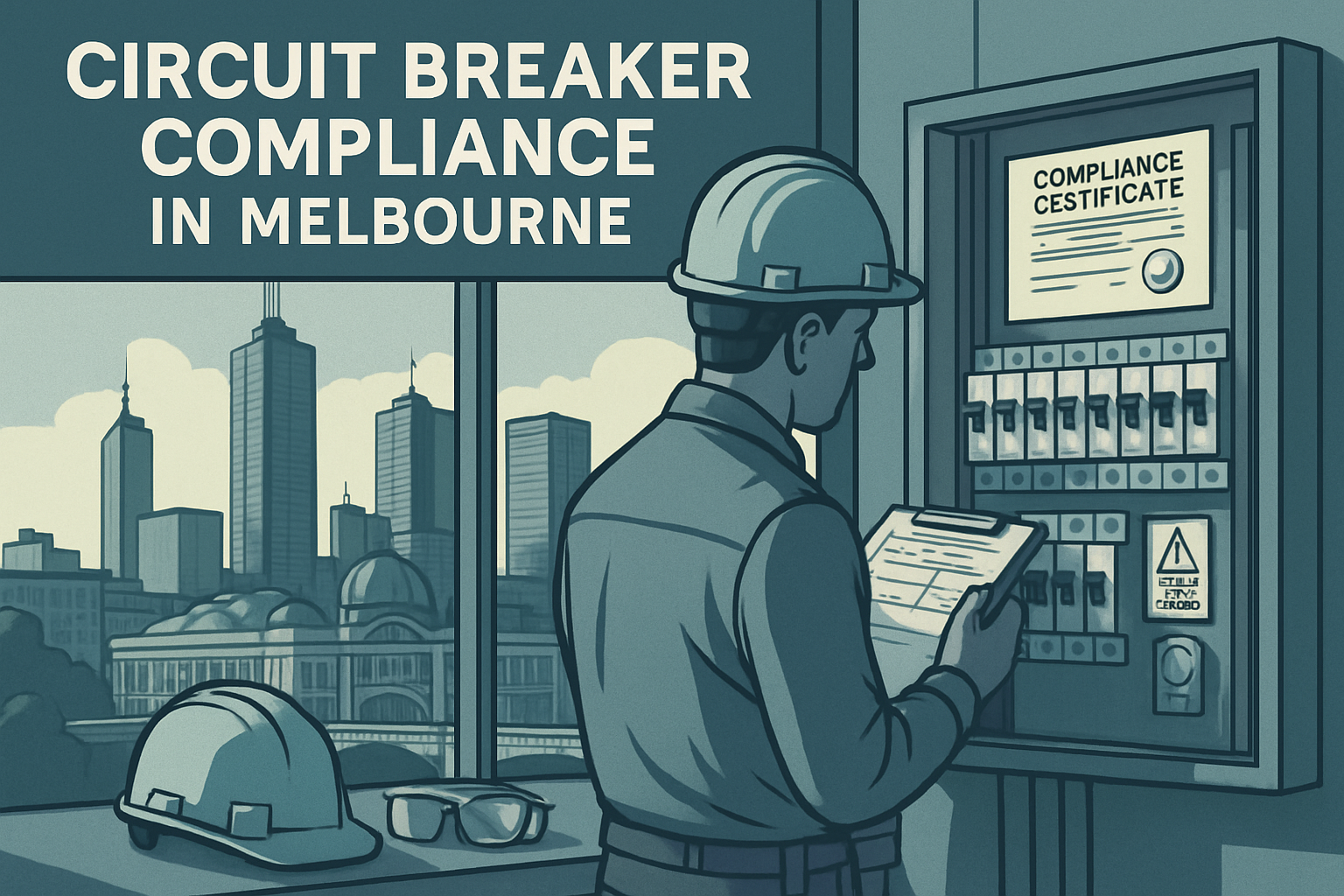
Circuit Breaker Compliance Melbourne: Commercial Electrical Standards
Running a business in Melbourne is exciting, but it comes with its fair share of responsibilities. One crucial aspect that often goes overlooked is electrical safety compliance, especially when it comes to circuit breaker systems. In this article, we’re going to dive deep into circuit breaker compliance in Melbourne, outlining the commercial electrical standards every business owner should know. Whether you’re new to the world of electrical compliance or simply need a refresher, this guide covers everything you need—why it’s important, how to ensure your compliance, and practical tips to find a licensed commercial electrician in Melbourne.
Table of Contents
- Introduction: Why Circuit Breaker Compliance Matters
- Understanding Circuit Breaker Compliance
- Melbourne’s Commercial Electrical Compliance Landscape
- Features and Benefits of Circuit Breaker Compliance
- Practical Tips for Ensuring Compliance
- Preparing for an Electrical Inspection and Audit
- Finding a Licensed Commercial Electrician in Melbourne
- Frequently Asked Questions About Circuit Breaker Compliance
- Conclusion
Introduction: Why Circuit Breaker Compliance Matters
Electricity is the heartbeat of modern business operations. Without the right systems in place, a simple electrical fault can lead to costly downtimes, safety hazards, or even regulatory fines. For commercial property owners and business operators in Melbourne, ensuring that your circuit breakers and associated systems comply with current regulations isn’t just about ticking a box—it’s about safeguarding your business, your employees, and your customers.
Circuit breaker compliance is an essential part of the broader framework of commercial electrical compliance. By adhering to established electrical safety standards and Australian regulations like the AS/NZS 3000 wiring rules, you can guarantee that your electrical installations are safe, reliable, and up to code. Whether you manage a retail store, office space, or industrial unit, understanding your responsibilities under Victorian electrical regulations is crucial.
In the sections that follow, we’ll explain what exactly circuit breaker compliance involves, discuss the benefits of maintaining compliance, and arm you with practical tips to ensure that your business stays ahead of potential electrical hazards.
Understanding Circuit Breaker Compliance
What Are Circuit Breakers?
Circuit breakers are vital electrical protection devices that automatically stop the flow of current when it exceeds safe levels. They are designed to interrupt power flow in the event of a fault, such as an overload or a short circuit, thereby preventing damage to equipment, reducing fire risk, and safeguarding human life. For commercial establishments, these devices are not just a convenience—they’re a legal requirement under Australia’s stringent electrical installation regulations.
Circuit Breaker Compliance Explained
Circuit breaker compliance means ensuring that your circuit breaker system is installed, maintained, and tested according to the latest Australian standards and regulations. In Melbourne, this includes meeting the guidelines set by Energy Safe Victoria and following the AS/NZS 3000 wiring rules along with additional local electrical safety standards.
Key Terms to Know
- Electrical Safety Standards: Set of protocols ensuring that all electrical installations meet safety requirements.
- AS/NZS 3000 Wiring Rules: The standard that specifies the minimum requirements for electrical installations in Australia and New Zealand.
- RCD Testing Requirements: Guidelines for regularly testing Residual Current Devices (RCDs), crucial components of electrical systems.
- Residual Current Devices (RCDs): Safety switches designed to quickly break the circuit when a fault is detected.
- Switchboard Compliance: Ensuring that your main electrical distribution boards meet regulatory standards.
Understanding these terms and their importance is the first step toward ensuring full compliance. With these in mind, let’s look at the broader compliance landscape in Melbourne.
Melbourne’s Commercial Electrical Compliance Landscape
Local Regulations and Codes
Melbourne business owners must navigate a maze of local guidelines and national standards, including:
- Victorian Electrical Regulations: Specific rules applied within the state to ensure both workplace and public safety.
- Electrical Installation Regulations: These dictate the correct installation practices for all electrical systems, including circuit breakers.
- Building Code Compliance: Ensuring that your commercial premises adhere to the necessary building codes, which include proper electrical system installation and maintenance.
- Energy Safe Victoria Guidelines: The regulatory body that oversees electrical installations and enforces compliance across Victoria.
The AS/NZS 3000 Wiring Rules
This set of rules is the cornerstone of electrical installation safety in Australia. They cover everything from the proper selection and installation of circuit breakers to wiring methods and even the periodic testing requirements. Understanding these rules is crucial because they set the baseline for all subsequent inspections and audits.
Electrical Installation Certificates and Safety Inspections
To demonstrate compliance, businesses are often required to have their electrical systems inspected and certified. This involves:
- Electrical Safety Certificates: Documentation provided by a licensed electrician following an inspection, confirming that the system meets all safety standards.
- Periodic Electrical Testing: Regular assessments that ensure your circuit breakers and other electrical components continue to function correctly over time.
- Compliance Audits: Detailed reviews conducted to check that all aspects of your electrical installation are up to date with current regulations.
The Role of Switchboard Compliance
Switchboard compliance is a key element in ensuring overall circuit breaker compliance. The switchboard is the central hub of your electrical installation and must be maintained meticulously. It houses circuit breakers, miniature circuit breakers, and other critical protection devices. A compliant switchboard is essential for:
- Minimizing electrical hazards.
- Ensuring effective isolation of electrical circuits during maintenance or emergencies.
- Reducing the risk of electrical fires.
Adhering to these regulations not only protects your business but also helps avoid hefty fines and legal liabilities.
Features and Benefits of Circuit Breaker Compliance
Safety First
The primary benefit of maintaining circuit breaker compliance is the enhanced safety of your premises. Electrical faults are one of the leading causes of workplace accidents and fire incidents. By ensuring that your circuit breakers perform their role effectively, you’re protecting:
- The lives of your employees.
- The safety of your customers and visitors.
- Your property and equipment.
Reduced Downtime and Business Continuity
Electrical issues can lead to unexpected downtime, disrupting operations and impacting your bottom line. Compliance ensures that your electrical systems are robust and dependable, thereby reducing the likelihood of unexpected failures. This results in:
- Minimal disruption to day-to-day business activities.
- Preservation of productivity.
- Assurance that your emergency systems (like exit lighting and emergency lighting compliance) are functional.
Financial Benefits
Non-compliance can be costly, not just in terms of safety risks, but also financial penalties. Compliance helps in:
- Avoiding fines from regulatory bodies.
- Reducing insurance premiums, as insurers often reward businesses with certified safety records.
- Minimizing repair and replacement costs due to preventative maintenance and early detection of faults.
Legal and Regulatory Assurance
With strict regulations laid out by Energy Safe Victoria and local authorities, having a robust circuit breaker compliance strategy ensures that your business:
- Meets all legal requirements.
- Avoids potential litigation or penalties.
- Receives an acknowledged electrical safety certificate—a mark of quality and compliance in the eyes of tenants, insurers, and clients.
Energy Efficiency and Cost Management
Maintaining compliant electrical systems can also help in managing your energy consumption more effectively. Up-to-date circuit breakers and electrical systems:
- Lead to better load management.
- Prevent overloading and ensure consistent power distribution.
- Ultimately contribute to energy-efficient operations, reducing operational costs over time.
Enhanced Reputation and Customer Trust
As a business owner, building trust with your customers and stakeholders is vital. A safe, well-maintained electrical system is a testament to your commitment to high operational standards, ensuring that:
- Your business premises are secure.
- You are serious about compliance and safety.
- Stakeholders have confidence in your business practices and infrastructure.
Practical Tips for Ensuring Compliance
Now that you understand why circuit breaker compliance is so important, let’s break down some practical tips to ensure your business stays compliant.
1. Schedule Regular Electrical Inspections and Testing
Routine inspections are pivotal in maintaining circuit breaker compliance. Work with a licensed commercial electrician to:
- Conduct periodic electrical testing and inspections.
- Ensure that circuit breaker installation and maintenance adhere to electrical testing procedures as outlined by local regulations.
- Verify that residual current devices (RCDs) and other protection elements are fully operational by meeting RCD testing requirements.
2. Keep Updated on Local Electrical Codes and Standards
Electrical standards aren’t static—they’re revised periodically to keep up with technological advancements and emerging safety concerns. Make sure to:
- Keep abreast of changes in AS/NZS 3000 wiring rules.
- Regularly check for updates from Energy Safe Victoria and local councils.
- Subscribe to industry newsletters or engage with a trusted electrician who is up-to-date on electrical regulation Victoria.
3. Invest in Quality Circuit Protection Devices
Your circuit breaker system is only as good as its components. Ensure that you invest in:
- Reliable circuit protection devices like thermal magnetic breakers and miniature circuit breakers.
- High-quality electrical safety switches that conform to modern standards.
- Regular upgrades to your switchboard to accommodate any new safety technologies.
4. Maintain Proper Documentation
Keeping comprehensive records is a must:
- Store electrical safety certificates and inspection reports securely.
- Maintain logs of all maintenance work, upgrades, and audits.
- Documentation will be beneficial if you ever face an electrical safety audit or need to prove compliance to insurers or authorities.
5. Conduct a Thorough Electrical Risk Assessment
Identifying potential risks before they turn into issues can save your business time and money. An electrical risk assessment should:
- Include analysis of current load calculations and anticipated energy demands.
- Evaluate the effectiveness of your current circuit breakers and switchboard installations.
- Highlight areas that might need an upgrade, particularly if your business premises have expanded or undergone a commercial fit-out.
6. Prepare for Future Requirements
Plan ahead by:
- Budgeting for periodic upgrades and regular maintenance.
- Scheduling extra inspections if you know that local regulations are changing or if you’re planning major renovations.
- Consulting with your electrician about the potential need for enhanced fault protection systems and emergency lighting upgrades.
Preparing for an Electrical Inspection and Audit
Electrical inspections are typically conducted by licensed inspectors or commercial electricians to verify that your installation adheres to current electrical safety standards. Here’s a detailed guide on how to prepare:
Step 1: Pre-Inspection Checklist
Before the inspection:
- Ensure that all electrical maintenance requirements have been performed.
- Review the history of electrical compliance audits and inspections in your premises.
- Confirm that essential documentation, including previous electrical installation certificates, is on hand.
Step 2: Inspect the Switchboard and Circuit Breakers
As the heart of your electrical system, your switchboard should:
- Be free from any signs of wear, damage, or excessive heat.
- Have clearly labelled circuits to facilitate quick isolation in case of emergencies.
- Feature up-to-date circuit breakers that match the current load disbalance and safety standards.
Step 3: Ensure Compliance with Victorian Regulations
Check that:
- Your system complies with the Victorian electrical regulations.
- All components, including earth leakage protection devices, function as intended.
- There is documentation support indicating regular commercial electrical services and inspections.
Step 4: Scheduling and Communication
Coordinate with your chosen electrical contractor to:
- Set a specific date and time for the thorough inspection.
- Discuss any previous issues or recurring faults.
- Prepare answers to any inquiries regarding recent electrical upgrades or modifications.
Step 5: Plan for Corrective Actions
If any issues are identified during the inspection:
- Get an immediate quote for the necessary corrective measures.
- Prioritize urgent upgrades to avoid potential operational downtimes.
- Consult with your electrician to implement recommendations in a timely manner.
Finding a Licensed Commercial Electrician in Melbourne
Choosing the right electrician is critical, as the quality of their work directly impacts your compliance and safety. Here’s how you can find a licensed professional who meets your business needs:
1. Verify Licencing and Certifications
Always ensure that your electrician is:
- Fully licensed and accredited by the appropriate Victorian regulatory bodies.
- Experienced in commercial settings and familiar with industrial electrical standards.
- Able to provide proof of previous work and electrical safety certificates.
2. Check References and Reviews
Ask for testimonials or case studies from other businesses in Melbourne. Search online for reviews that discuss the electrician’s ability to comply with commercial electrical compliance standards. Recommendations from local business networks or chambers of commerce can also be invaluable.
3. Evaluate their Knowledge on Local Codes
The electrician should be well-versed in:
- The AS/NZS 3000 wiring rules.
- Specific Victorian electrical regulations.
- Up-to-date electrical installation regulations and switchboard compliance requirements particular to Melbourne.
4. Get Multiple Quotes
Before settling on one:
- Request detailed quotes from different providers.
- Compare not just the price but also the scope of work, guarantees, and future maintenance plans.
- A thorough comparison can ensure you get the best value without compromising on quality.
5. Inquire About Ongoing Maintenance and Support
Electrical safety isn’t a one-off project. It involves:
- Regular periodic electrical testing.
- Scheduled maintenance visits.
- Emergency support and quick corrective actions if an issue arises.
Ask your electrician about their service contracts or maintenance plans, which can be tailored to your specific business needs.
Frequently Asked Questions About Circuit Breaker Compliance
Q1: Why is circuit breaker compliance so important for my business?
Maintaining compliance ensures that your electrical installations are safe, reliable, and secure. It reduces the risk of electrical fires, equipment damage, and costly downtime. Moreover, compliance with standards such as AS/NZS 3000 helps you avoid potential fines and legal issues while safeguarding the wellbeing of your employees and customers.
Q2: How often should I have my circuit breakers and electrical systems inspected?
For commercial properties, it’s recommended that a qualified electrician conducts thorough inspections at least once a year. However, depending on the complexity of your installation and the level of usage, more frequent checks might be necessary. Always refer to your electrician’s advice based on the electrical testing procedures relevant to your system.
Q3: What should I do if my inspection reveals non-compliance?
If non-compliance issues are found, work with your licensed electrician to create an action plan for corrective measures. This might involve replacing outdated circuit breakers, upgrading the switchboard, or improving overall electrical protection measures. Promptly addressing these issues will help ensure future compliance and safety.
Q4: Can I perform some maintenance myself?
While routine visual checks are fine, any electrical maintenance or repairs should be done by a licensed professional. Electrical systems are complex, and attempting DIY repairs can lead to further complications or safety hazards. Always leave electrical work to experts who are trained in electrical hazard prevention and electrical risk assessment.
Q5: Are there any incentives for maintaining high electrical compliance standards?
Yes, maintaining an up-to-date electrical system can often lower your insurance premiums and enhance your business reputation. Additionally, a safe workplace is more likely to pass regulatory audits, and in the long run, proactive maintenance saves you from costly emergency repairs or replacements.
Conclusion
Circuit breaker compliance isn’t just another line item on your business checklist—it’s a crucial component of operational safety, regulatory adherence, and long-term cost savings. For Melbourne business owners, staying updated with local codes, such as the Victorian electrical regulations and AS/NZS 3000 wiring rules, is essential. Whether you’re managing a bustling office, a retail store, or an industrial space, the proper installation and maintenance of circuit breakers play a vital role in ensuring workplace electrical safety.
By scheduling regular inspections, investing in quality equipment, and engaging a trusted, licensed commercial electrician, you not only meet compliance requirements but also build a safer, more reliable operating environment. The practical tips and insights outlined in this guide provide a solid foundation for understanding and achieving circuit breaker compliance in Melbourne.
Remember, electrical compliance is an ongoing process. With the right preventive measures, documentation, and local regulatory knowledge, your business can confidently navigate the complexities of electrical safety. Prioritize proactive maintenance and regular audits to avoid unforeseen hazards and disruptions. Your investment in compliance today guarantees the safe operation and success of your business tomorrow.
Are you ready to assess your current electrical systems and ensure they meet modern standards? Contact a licensed commercial electrician in Melbourne, schedule your inspection, and take the next step towards safeguarding your business. Safety, efficiency, and compliance are the cornerstones of a thriving operation in today’s competitive environment.
Stay safe, stay compliant, and let your business shine—powered by a secure and robust electrical system.
Thank you for reading! If you have any questions or need help getting started on your compliance journey, don’t hesitate to reach out to a local licensed commercial electrician in Melbourne. Let’s keep our businesses safe and thriving together.
0 Comments