
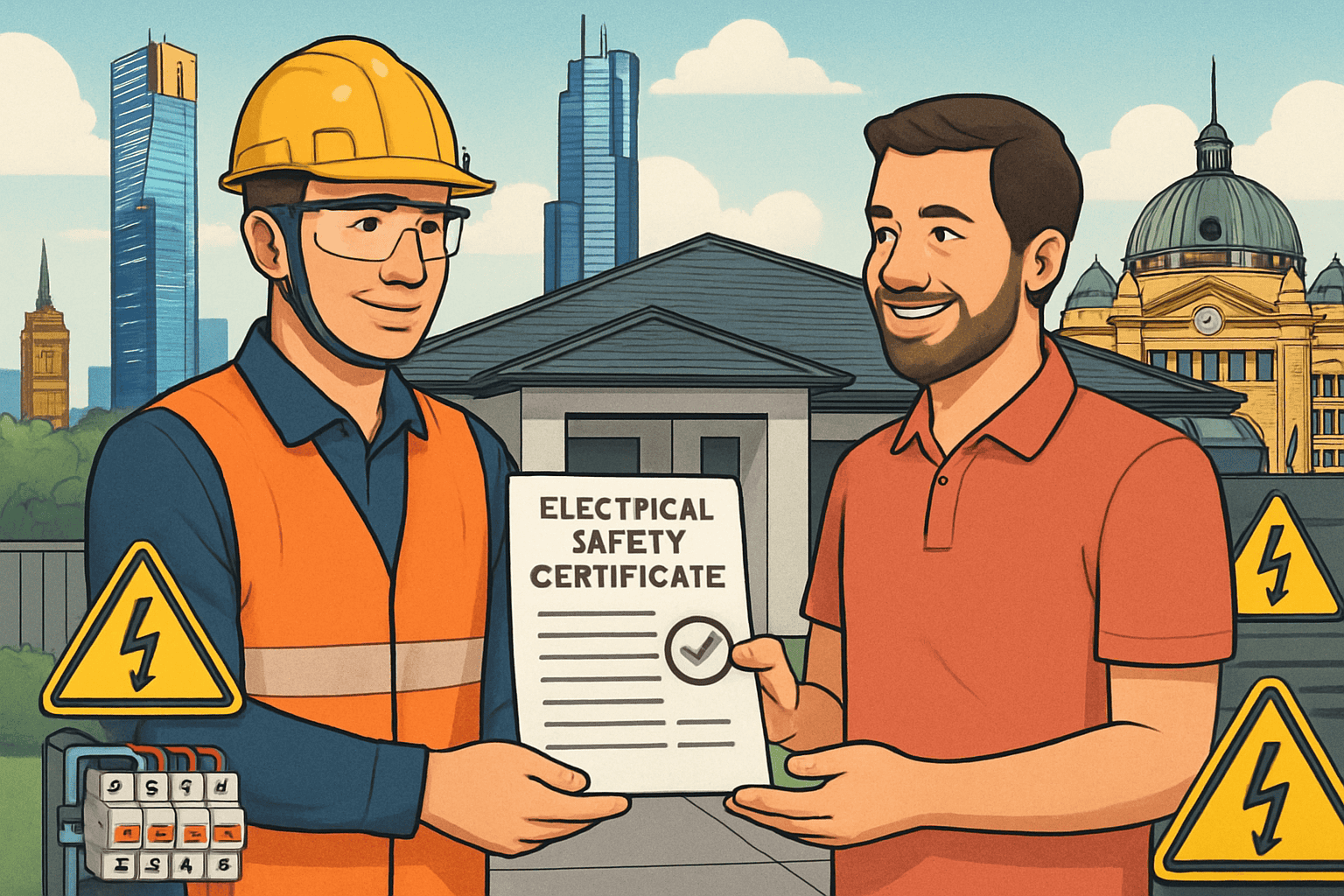
Running a business in Melbourne means juggling a unique mix of challenges—from managing day-to-day operations to ensuring that your property and equipment are fully compliant with local regulations. One key area you absolutely cannot overlook is electrical safety. In this comprehensive guide, we’ll walk you through everything you need to know about obtaining an electrical safety certificate in Melbourne, why it matters, and how to work with licensed electricians to keep your commercial property safe and compliant.
Whether you run a small office, a retail store, or an industrial facility, electrical safety isn’t just about following the law—it’s about protecting your people, property, and reputation. Let’s dive in.
Why Electrical Safety Certificates Matter for Your Business
When you think about the safety of your workplace, electrical hazards might not immediately come to mind until an incident occurs. But neglecting electrical safety can lead to equipment downtime, injuries, and hefty fines from regulators. In Melbourne, abiding by electrical safety standards isn’t just an option—it’s a mandatory requirement for commercial properties.
Key Reasons to Prioritise Electrical Safety:
- Legal Compliance: Melbourne and Victoria have strict regulations regarding building safety. An electrical safety certificate ensures that your property complies with these regulations.
- Protection of Assets and People: Electrical faults can lead to fires, equipment damage, or even personal injury. Regular inspections reduce these risks.
- Avoiding Fines and Penalties: Non-compliance can result in fines, legal disputes, and potential shutdowns.
- Reputation Management: A safe and compliant workplace boosts the trust of your employees, clients, and tenants.
- Peace of Mind: Knowing your electrical systems are up to standard means you can focus on growing your business.
What is an Electrical Safety Certificate?
An electrical safety certificate, sometimes referred to as a certificate of electrical safety or property compliance certificate, is an official document issued after a thorough inspection of the electrical installations on your property. For businesses in Melbourne, this certificate confirms that your electrical systems adhere to the mandatory standards and local regulations.
Types of Electrical Safety Certificates:
- Residential Electrical Certificate: Typically for rental properties or dwellings, ensuring the safety of inhabitants.
- Commercial Electrical Inspection Certificate: This is more robust, focusing on the varied and extensive range of electrical installations within commercial buildings.
- Electrical Installation Safety Certification: Ensures that all installed equipment is safe, reliable, and compliant with Melbourne electrical regulations.
- Electrical Risk Assessment Documentation: Often part of the inspection process that identifies potential hazards and provides recommendations for mitigation.
Each type of certificate is tailored to the specific needs and complexities of the property it covers. In our discussion, we’ll be concentrating on certificates relevant to commercial buildings in Melbourne and what business owners need to know.
Understanding Melbourne’s Electrical Regulations and Compliance Requirements
Melbourne’s electrical safety framework is governed by a combination of state regulations and building codes. These rules are designed to protect both property owners and tenants while ensuring that all electrical installations meet the highest safety standards.
Key Components of Local Regulations:
- Mandatory Electrical Testing: Regular testing and tagging of electrical equipment is required to ensure ongoing safety.
- Periodic Electrical Inspection: Commercial properties must undergo routine inspections to verify that the installations remain compliant.
- Safety Compliance Documentation: Maintaining accurate records and certificates is essential for audits by local councils or regulatory bodies.
- Compliance for Landlords and Business Owners: These groups must ensure that electrical installations in their properties are safe, as failure to do so may result in legal action or fines.
- Occupational Safety Compliance: The workplace must also meet health and safety requirements under Victorian occupational health and safety (OHS) laws, which include electrical risk assessments.
For commercial buildings in Melbourne, compliance isn’t a one-off task but an ongoing requirement that involves regular inspections and prompt remedial actions when necessary.
Features and Benefits of Having an Electrical Safety Certificate
Having an up-to-date electrical safety certificate is not just about ticking boxes—it offers a range of practical benefits:
Features:
- Official Documentation of Compliance: A certificate from a licensed electrician provides proof that your property has been inspected and meets current safety standards.
- Detailed Inspection Report: This report includes a thorough assessment of wiring, installation, and equipment, along with any necessary repairs or upgrades.
- Scheduled Follow-Up Inspections: Many certificates come with recommendations for periodic follow-ups to ensure continuous compliance.
- Risk Assessment: A detailed electrical hazard assessment identifies potential problems before they escalate.
- Renewal Guidelines: Information on when and how to renew your certificate, keeping you ahead of regulatory demands.
Benefits:
- Enhanced Safety: Reduce the risk of electrical faults, fires, and accidents by addressing potential issues proactively.
- Legal Protection: In case of an incident, having documented compliance can serve as a legal safeguard.
- Improved Business Continuity: Avoid costly operational interruptions and damage to business reputation by ensuring your installation is fault-free.
- Lower Insurance Premiums: Insurance companies often look favorable upon businesses that maintain high safety standards.
- Investor Confidence: Demonstrating ongoing safety compliance can reassure stakeholders and investors of your commitment to best practices.
For business owners, these features and benefits translate directly into cost savings, enhanced safety for staff, and a smoother operation overall.
How to Secure Your Electrical Safety Certificate in Melbourne
Now that you understand the importance of electrical safety certificates and the benefits they bring, let’s break down the steps you need to take to secure one for your commercial property.
Step 1: Find a Licensed Electrician in Melbourne
The first step is to locate a reputable and licensed electrician who specialises in commercial electrical inspection. Here’s how to do that:
- Search Online: Use keywords like “licensed electrician Melbourne,” “commercial electrical inspection,” and “ESC Melbourne.” Check local directories and review sites.
- Ask for Referrals: Speak with other business owners or property managers who have recently undertaken electrical safety checks.
- Check Credentials: Ensure the electrician is accredited and has experience working with commercial properties.
- Review Past Work: Look for testimonials or case studies that highlight their expertise in electrical safety compliance and hazard assessment.
Once you’ve shortlisted a few candidates, schedule consultations to compare pricing, services, and your comfort level with their expertise.
Step 2: Prepare for the Inspection
Once you’ve chosen your electrician, it’s time to prepare your property for the inspection. Here are some helpful tips:
- Gather Previous Documentation: If you have any previous electrical safety certificates or inspection reports, gather them. This historical data can help the electrician understand past issues and improvements.
- Ensure Access: Make sure that all areas housing electrical installations are accessible. This includes utility rooms, server rooms, basements, and even outdoor installations.
- Inform Your Staff: Let your team know about the inspection schedule so they can secure sensitive areas and temporarily suspend activities that could interfere with the inspection process.
- Review Floor Plans: Having up-to-date building plans handy will assist the electrician in identifying all installed electrical systems.
- Plan for Repairs: If previous inspections have indicated issues, schedule any necessary repairs once you have the certificate.
Preparing properly not only speeds up the inspection process but also ensures a more accurate reading of your property’s electrical systems.
Step 3: Undergoing the Inspection Process
During the inspection, the licensed electrician will:
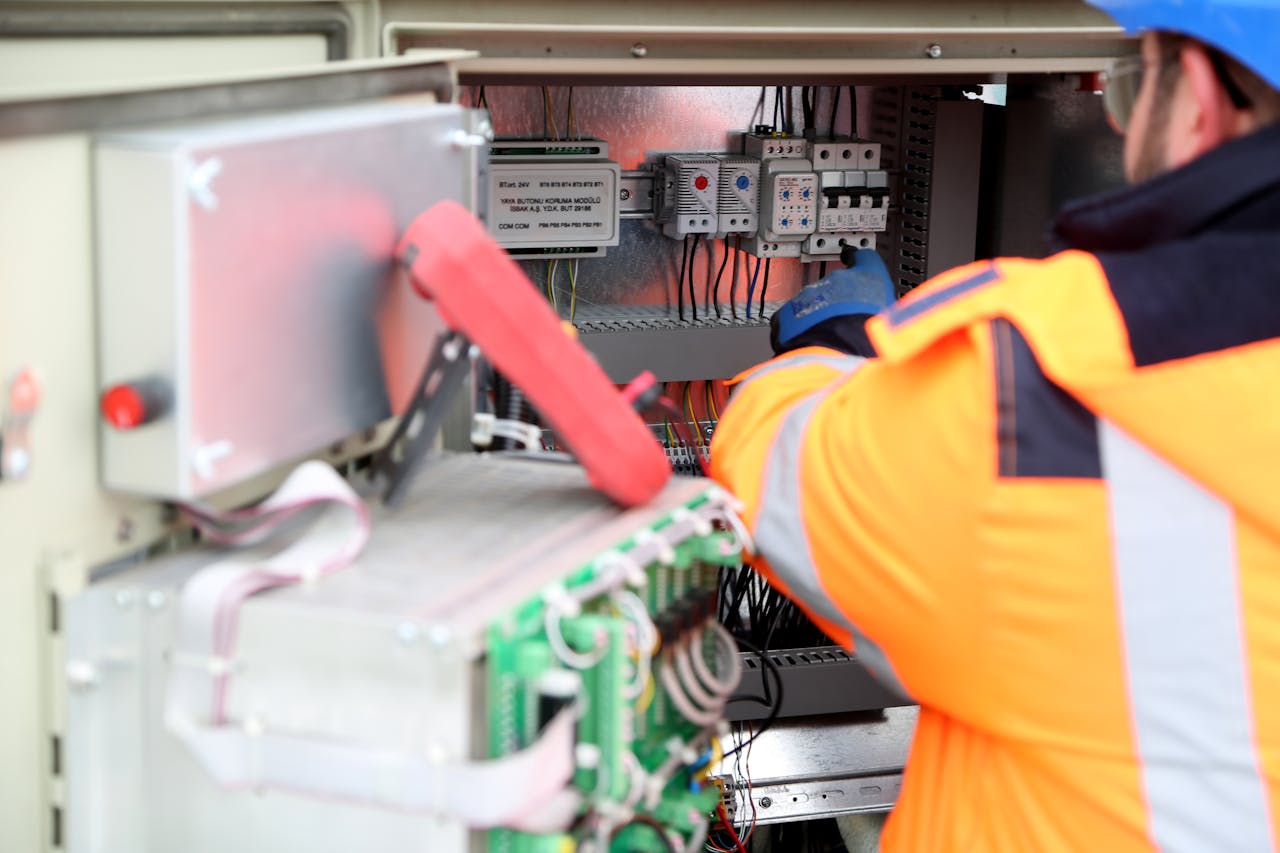
- Conduct a Thorough Visual Check: Inspect wiring, circuit breakers, outlets, and any other electrical components.
- Perform Mandatory Testing: This includes testing electrical connections and ensuring equipment is safe to operate.
- Review Compliance with Victorian Electrical Standards: The electrician will verify that every installation meets local regulations and safety codes.
- Document Findings: A detailed report is created, highlighting any areas that may require immediate attention or further maintenance.
The entire process generally takes several hours, and in larger properties, it might span multiple sessions. Once the inspection is complete, you’ll receive your electrical safety certificate along with a comprehensive report.
Step 4: Addressing Any Issues and Renewing the Certificate
If issues are identified during the inspection, it’s crucial to address them immediately. Here’s what you should do:
- Prioritise Repairs: Immediate attention should be given to high-risk areas to reduce the chance of electrical hazards.
- Keep Detailed Records: Maintain documentation of any defects found, corrective actions taken, and repair dates.
- Schedule Follow-Up Inspections: Regular inspections help in proactively managing any potential future risks.
- Plan for Renewal: Typically, these certificates have a validity period—make sure you’re clear on when your certificate expires. Set reminders in your calendar to arrange for a renewal inspection well before the expiry date.
Following these steps ensures that your business remains compliant and that you continue to enjoy the benefits of a safe, efficient, and legally sound working environment.
Practical Tips for Managing Electrical Safety in Your Commercial Property
Implementing effective electrical safety measures is an ongoing process. Here are some practical tips to help you keep your property safe:
1. Create an Electrical Safety Checklist
Develop a custom checklist for your business that includes:
- Scheduled inspection dates.
- Areas that require immediate repairs.
- Details of all the electrical equipment installed.
- Copies of previous electrical safety certificates.
- Contact details for your regular electrician or emergency services.
2. Institutionalise Regular Inspections
Instead of only scheduling inspections when something seems off, plan for routine checks. Many business owners find that quarterly or biannual inspections help in early detection of potential issues and aid in ongoing compliance.
3. Invest in Quality Maintenance
Routine maintenance is key. Whether it’s regular cleaning of electrical panels or periodic testing and tagging of portable equipment, investing in a robust maintenance plan can save you significant time and money long-term.
4. Educate Your Staff
Ensure that everyone in your business understands the importance of electrical safety. Regular training sessions on how to identify potential hazards and what to do in case of an emergency can make your workplace much safer.
5. Upgrade Electrical Installations Responsibly
If you’re planning renovations or expansions, always consult with a licensed electrician. Upgrading electrical installations not only enhances safety but also improves efficiency and can better serve modern office equipment and technology.
6. Keep Up-to-Date with Regulations
Melbourne’s electrical regulations and safety standards may change over time. Subscribe to updates from local councils, industry newsletters, or relevant government bodies to always be informed of any changes in compliance and safety requirements.
Detailed Local Information on Best Practices, Codes, and Regulations
For business owners in Melbourne, here are some detailed guidelines and best practices that align with local regulations:
Victorian Electrical Standards and Building Codes
- AS/NZS 3000 – Electrical Installations (The Wiring Rules): This is the primary standard for wiring and electrical installation safety in Australia. It outlines the technical requirements for electrical safety and is crucial for compliance.
- Victorian Building Authority (VBA) Guidelines: These provide additional information on local building codes and should be consulted when planning any electrical installations or renovations.
- WorkSafe Victoria Regulations: Ensuring occupational safety, these guidelines include mandatory electrical risk assessments in workplaces to prevent injuries and accidents.
- Mandatory Electrical Testing and Tagging Requirements: Regular testing of portable equipment and fixed wiring helps identify any deterioration in the system early on.
- Property Compliance Certificate Requirements: For landlords and property managers, obtaining and renewing electrical safety certificates can qualify as part of your broader property compliance documentation.
- Periodic Electrical Inspection Protocols: Local authorities may require periodic inspections to verify that maintenance standards are being met consistently.
Best Practices for Commercial Properties:
- Use only licensed Melbourne electrical contractors who come recommended and have verifiable credentials.
- Always insist on receiving a full electrical safety audit report after every inspection.
- Keep a digital logbook for all maintenance tasks, which can later be used for audits or during property sales.
- When dealing with subcontractors or electricians, ensure that they’re aware of any site-specific hazards and that they update you regularly on their risk assessments.
By staying informed of these standards and best practices, you not only adhere to the law but also create a safer environment for your staff and customers.
Common Electrical Issues in Commercial Properties and How to Address Them
Even with meticulous planning and routine inspections, some common electrical issues can creep into commercial properties. Here’s what you might encounter and how to address it:
1. Overloaded Circuits
Issue: Overloading can cause frequent circuit breaker trips or, worse, overheated wiring.
Solution: Work with your electrician to redistribute loads and install additional circuits if needed. Regular checks can help you avoid this problem.
2. Faulty or Worn-Out Wiring
Issue: Aging wiring can become frayed or damaged, increasing the risk of short circuits.
Solution: Schedule an electrical hazard assessment to evaluate the condition of your wiring. Replace or repair damaged segments promptly.
3. Non-Compliant Installations
Issue: Renovations or third-party modifications may result in installations that do not meet current standards.
Solution: Always have modifications inspected by a licensed electrician to ensure they are in line with Melbourne electrical regulations. Obtain a new certificate if necessary.
4. Inadequate Maintenance of Electrical Equipment
Issue: Poorly maintained electrical equipment can malfunction, leading to inefficiencies or hazards.
Solution: Implement a regular maintenance and testing schedule, especially for portable or frequently moved equipment. This includes testing and tagging devices and ensuring that repair logs are up-to-date.
Addressing these issues promptly can prevent more severe incidents and maintain the ongoing validity of your electrical safety certificate.
Steps for a Smooth Electrical Safety Certificate Renewal Process
Renewing your electrical safety certificate should be a straightforward process if you follow these best practices:
1. Schedule Inspections in Advance
Keep track of your certificate’s expiry date and schedule inspections at least a few weeks before renewal to allow time for any required repairs.
2. Maintain Comprehensive Records
Organise all previous certificates, inspection reports, and maintenance records in a digital or physical file. This documentation facilitates faster renewals and proves compliance during audits.
3. Liaise with Your Electrician
Establish an ongoing relationship with a trusted licensed electrician in Melbourne. Regular communication helps you stay informed about any changes in regulations or safety recommendations.
4. Address Issues Quickly
If your electrician identifies defects or areas for improvement, prioritise these repairs. Compliance issues can delay the renewals and potentially incur penalties.
5. Review the Inspection Report Together
Once the inspection is complete, go over the report in detail with your electrician, ask questions, and understand any recommendations provided. This ensures you remain proactive in addressing potential hazards.
Cost Considerations for Electrical Safety Certificates in Melbourne
For small business owners, budgeting for safety compliance is essential. While an electrical safety certificate represents a significant investment, the cost is generally outweighed by the benefits. Here are some cost-related aspects to keep in mind:
Factors Influencing the Certificate Cost:
- Property Size and Complexity: Larger properties or those with complex electrical installations can cost more due to the extensive testing needed.
- Frequency of Inspections: More frequent inspections might lead to higher ongoing costs, but they also prevent larger, costly repairs.
- Immediate Repairs: Urgent maintenance or replacing outdated components can add to the initial cost.
- Electrician Fees: Different contractors may charge varying rates. Always obtain quotes from several licensed electricians specializing in commercial buildings.
Tips to Manage Costs:
- Plan Regular Maintenance: Preventive maintenance is cheaper than emergency repairs. A consistent schedule can help you manage costs efficiently.
- Bundled Services: Some electricians offer bundled inspection and maintenance services at a discounted rate.
- Keep Detailed Records: Demonstrating a history of regular maintenance and documented repairs might even help negotiate better insurance premiums over time.
- Budget for Renewal: Remember that electrical safety certificates are periodically renewed. Plan annually or quarterly to avoid any unexpected financial burdens.
Investing in an electrical safety certificate is not just about regulatory compliance; it also protects your business from potential risks, which could translate into far greater costs if issues arise unexpectedly.
Real-Life Scenario: A Small Business Owner’s Experience
Consider the experience of a local Melbourne business owner who recently underwent an electrical safety audit. Before the inspection, the owner had been neglecting routine checks, thinking that occasional flickering lights were just a minor nuisance. After receiving the inspection report, it turned out that some of the wiring in the building was outdated, increasing the risk of fire hazards significantly.
By addressing these issues quickly and working with a reputable licensed electrician, the owner not only renewed the electrical safety certificate on time but also:
- Improved overall energy efficiency,
- Avoided potential legal troubles related to non-compliance,
- Provided a safer environment for both employees and customers, and
- Enhanced the overall value of the property.
This case exemplifies why regular inspections and prompt repairs are essential. It’s a powerful reminder that proactive maintenance not only meets legal requirements, but it also safeguards your business interests.
Frequently Asked Questions (FAQs)
Q1: What is the validity period of an Electrical Safety Certificate in Melbourne?
A1: Typically, electrical safety certificates are valid for a specified period, often between one to three years. However, this may vary based on the property type, usage, and the specific recommendations of the inspecting electrician. Always check with your local regulations and your electrician for exact details and renewal timelines.
Q2: Can I perform the electrical safety inspection on my own?
A2: No, it is essential to have your electrical safety inspection carried out by a licensed electrician in Melbourne to ensure that it is compliant with current Victorian electrical standards and building codes. Unqualified inspections can result in inaccurate findings and potential legal liabilities.
Q3: What happens if my property fails the inspection?
A3: If any defects or issues are identified during the electrical safety inspection, you must address these promptly and have the repairs re-inspected. Failure to resolve issues within the prescribed timeframe could result in penalties or fines from local authorities.
Q4: How often should commercial electrical safety inspections be conducted?
A4: Routine inspections are typically recommended on a periodic basis (such as quarterly, biannually, or annually) depending on the complexity and age of the installations. Regular inspections help ensure that safety issues are detected early and managed effectively.
Q5: Does having an electrical safety certificate affect my insurance premiums?
A5: Yes, many insurance providers view compliance with local electrical safety regulations as a lower risk factor, which can help reduce your premiums over time. Maintaining valid certificates and documented maintenance records is a positive signal when it comes to insuring your business.
Conclusion
Electrical safety is not just a compliance requirement—it’s a critical component in protecting your business, your employees, your customers, and your property. As a small business owner in Melbourne, investing in regular electrical safety inspections and obtaining a valid electrical safety certificate is one of the most responsible decisions you can make.
By understanding Melbourne’s electrical regulations and working with a licensed electrician, you can ensure that every circuit, wire, and outlet in your commercial property is up to code. Remember:
- Start with finding a trusted licensed electrician,
- Prepare diligently for inspections,
- Address any identified issues promptly,
- And maintain a schedule of periodic checks.
Not only does this process help you avoid fines and legal issues, but it also enhances your overall operational efficiency and safety culture. With the right approach, electrical safety compliance becomes an asset rather than a burdensome obligation.
For more information or if you’re ready to book your next inspection, reach out to a Melbourne electrical contractor today. Ensuring that your property meets all the mandatory electrical safety standards is an investment in the future stability and growth of your business.
Stay safe, stay compliant, and keep those electrical systems running smoothly!
This guide is designed to be your go-to resource for all things related to electrical safety certificates in Melbourne. Whether you’re new to electrical safety compliance or need a refresher on best practices and local regulations, we hope you found these insights practical and helpful. Remember, a proactive approach today can prevent costly surprises tomorrow.
If you have any questions or would like further assistance, feel free to leave a comment below or contact a trusted licensed electrician in Melbourne. Let’s work together to ensure your business is safe, efficient, and fully compliant with all electrical safety standards.
By following these guidelines and practical tips, you can remain confident that your electrical systems are secure, compliant, and ready to support the continued success of your business in vibrant Melbourne. Happy inspecting!


0 Comments