
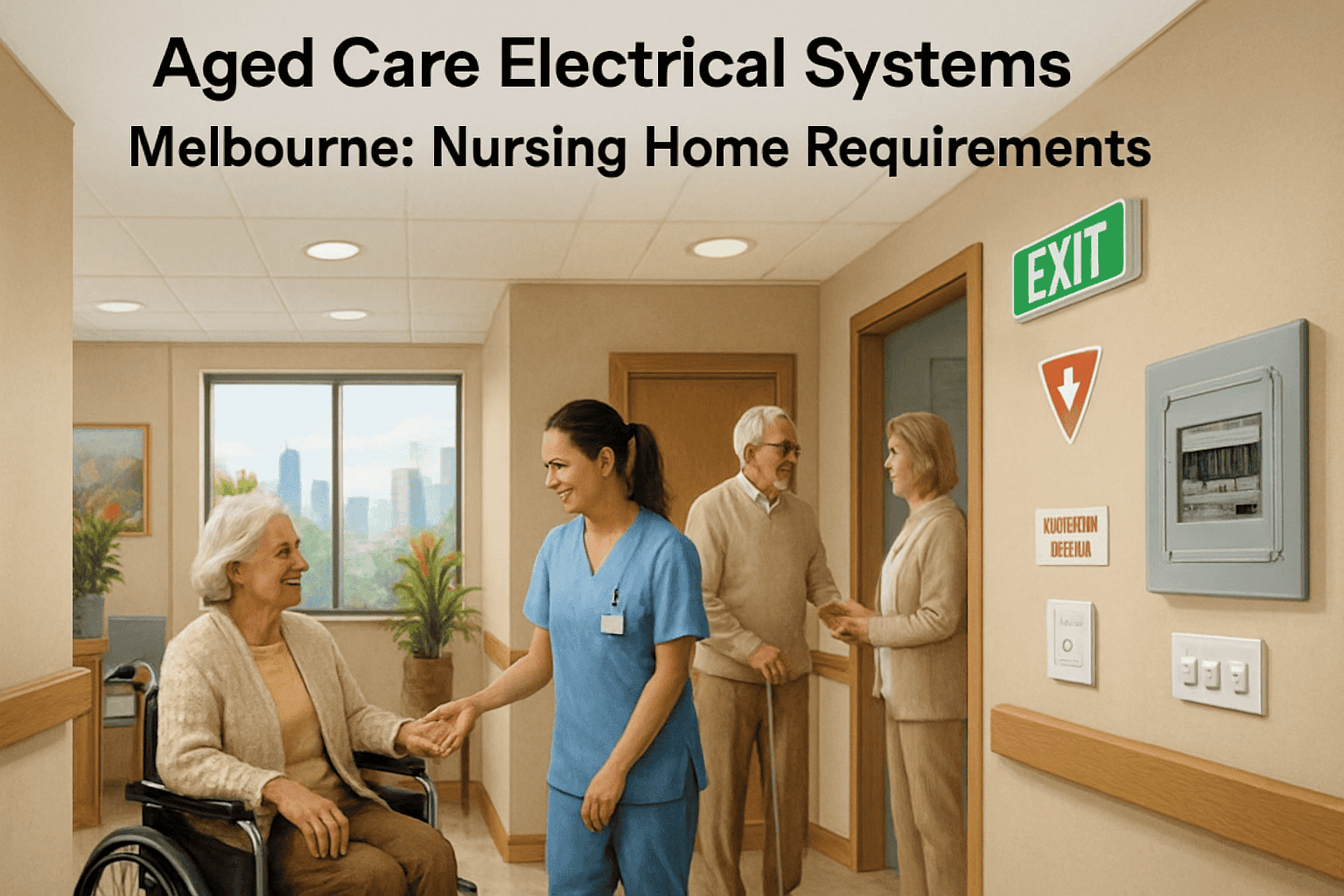
Aged Care Electrical Systems Melbourne: Nursing Home Requirements
Aged care facilities in Melbourne face unique challenges when it comes to electrical systems. Whether you’re managing a nursing home, a retirement village, or any form of aged care facility, ensuring a safe and efficient electrical infrastructure is not just a regulatory requirement but also a critical component of resident care. In this comprehensive guide, we’ll explore everything you need to know about aged care electrical services in Melbourne—from the essential features and benefits to practical advice on choosing the right commercial electrician for your facility.
In this post, we’re diving deep into aged care electrical requirements tailored to the needs of nursing homes. We’ll discuss why electrical safety for seniors is so important, how reliable electrical systems contribute to the smooth running of your facility, and the steps to ensure your installation meets local standards and regulations. So, if you’re a small business owner or facility manager looking for sound advice, read on for expert insights that will help you make informed decisions for the comfort and safety of your residents.
Table of Contents
- Why Aged Care Electrical Systems Are Crucial
- Understanding the Unique Needs of Nursing Home Electrical Systems
- Key Features and Benefits for Aged Care Facilities
- Practical Tips for Finding the Right Commercial Electrician in Melbourne
- Navigating Melbourne’s Electrical Codes, Regulations, and Best Practices
- Maintenance, Testing, and Documentation Essentials
- Sustainability and Energy Efficiency in Aged Care Electrical Installations
- Emergency and Backup Systems for Nursing Homes
- Conclusion
Why Aged Care Electrical Systems Are Crucial
Ensuring the safety, comfort, and efficiency of electrical systems in aged care facilities is paramount. For nursing homes and retirement villages, reliable electrical infrastructure is more than just a convenience—it’s a necessity for daily operations and emergency preparedness. Here’s why:
- Safety First: A well-maintained electrical system mitigates risks associated with electrical faults which can lead to fires, power outages, or hazardous situations.
- Regulatory Compliance: Meeting electrical compliance for nursing homes and aged care facilities is mandatory in Melbourne. Regular inspections, safety checks, and an updated electrical infrastructure protect both residents and staff.
- Optimized Operation: A reliable power distribution system ensures that critical medical equipment, nurse call systems, and lighting continue to operate reliably, even during peak usage or emergencies.
- Quality of Life: Energy-efficient solutions and modern electrical installations contribute to improved quality of life by reducing energy costs while providing better ambient and emergency lighting options tailored to the needs of seniors.
For facility managers and business owners, investing in robust electrical systems translates into long-term savings, reduced liability, and peace of mind knowing that residents are safe.
Understanding the Unique Needs of Nursing Home Electrical Systems
When it comes to aged care electrical services, the requirements differ significantly from those of standard commercial or residential installations. Nursing home wiring and electrical infrastructure must cater to specific needs such as emergency response systems, reliable backup power, and tailored installations for residents with limited mobility or other medical requirements.
Special Considerations for Nursing Homes
- Continuous Power Supply: Given that elderly care often involves essential medical equipment and monitoring systems, ensuring a continuous power supply is critical. Backup generator systems and emergency lighting installations are not optional—they are a necessity.
- Nurse Call Systems: Quick and reliable response is crucial in an aged care facility. Modern nurse call systems require seamless integration with the facility’s communication networks and should be tested frequently to ensure operational functionality.
- Specialized Lighting: Consider the needs of residents who may have impaired vision or dementia. Lighting designed with the right intensity, color temperature, and positioning helps reduce fall risks and creates a soothing environment. Aged care lighting solutions must balance energy efficiency with residents’ comfort.
- Robust Safety Measures: Installations must include safety switches, smoke detection systems, and other emergency response tools to safeguard against electrical hazards. Regular electrical maintenance contracts help ensure these systems are always in top condition.
- Accessibility: Electrical outlets, switches, and emergency call buttons should be placed in accessible areas without compromising aesthetic and functional environments, especially in facilities hosting residents with mobility restrictions.
- Adaptability for Future Technology: With rapid advancements in medical and monitoring equipment, aged care facilities need electricity systems that can adapt. Healthcare electrical installations should be designed to accommodate new technologies with ease.
Common Electrical Challenges in Aged Care Settings
- Aging Infrastructure: Many older facilities struggle with outdated wiring, insufficient power distribution, and non-compliance with current safety standards.
- Increased Demand: As more devices and systems come online (e.g., patient monitoring systems, emergency call systems), the demand on the building’s electrical system increases.
- Regulatory Updates: Keeping up with evolving electrical codes and standards in Melbourne can be challenging for facility managers, necessitating regular updates and compliance checks.
Key Features and Benefits for Aged Care Facilities
Investing in upgraded aged care electrical infrastructure offers a host of benefits and features that directly impact both the operational efficiency of a facility and the quality of life for its residents. Here, we break down the features and benefits relevant to your specific needs.
Key Features
- 24-Hour Electrical Support: With round-the-clock electrical support, you can rest easy knowing that any faults or emergencies will be addressed promptly, minimizing disruption and risks.
- Emergency Backup Power Systems: Incorporating generator and battery systems ensures that essential equipment and systems remain operational during power outages.
- Efficient Power Distribution: Advanced power distribution systems ensure the even and reliable distribution of electrical load, which is vital in preventing overloads and ensuring a balanced, safe electrical supply.
- Safety Switches and Smoke Detection: Modern safety installations such as RCDs (Residual Current Devices) and smoke detectors provide immediate alerts in case of electrical faults, reducing the risk of electrical fires and other hazards.
- Energy-Efficient Lighting Solutions: Upgrading to LED and other energy-efficient lighting options not only results in long-term savings but also provides tailored lighting conditions conducive to the comfort and safety of residents.
- Comprehensive Testing and Tagging: Regular electrical testing and tagging, as part of an ongoing maintenance contract, help ensure that all electrical equipment remains in compliance with safety standards.
- Customized Electrical Design: A bespoke electrical design tailored to your facility’s unique layout, patient care systems, and safety requirements ensures efficient energy distribution and easy access to necessary controls.
- Emergency Response Integration: Integration of communication systems with emergency lighting and nurse call systems enables fast, coordinated responses during critical situations.
Benefits for Your Facility
- Enhanced Resident Safety: The primary benefit is ensuring residents remain in a safe environment, with systems that’re less prone to failure or hazardous conditions.
- Cost Efficiency: Energy-efficient components and reliable systems reduce energy bills and maintenance costs over time.
- Compliance and Peace of Mind: Adhering to local Melbourne regulations and standards protects your facility from fines and legal issues, letting you focus on delivering care rather than administrative burdens.
- Reduced Downtime: With proper maintenance and emergency backup systems, you minimize the risk of critical system failures that can cause service interruptions or compromise resident care.
- Future-Proofing: Modern, adaptable solutions mean that when it comes time to integrate new technology or upgrade existing systems, the infrastructure is already in place.
By investing in a high-quality aged care electrical system, you’re not just satisfying compliance checkpoints—you’re fostering a safe, supportive, and efficient environment for both residents and staff.
Practical Tips for Finding the Right Commercial Electrician in Melbourne
Selecting a commercial electrician who understands the specialized requirements of aged care facilities can make all the difference. With such a critical role in your facility’s operations, here are some actionable tips to help you source the ideal electrical contractor in Melbourne.
Assessing Experience and Specialization
- Experience in Aged Care Facilities: Ensure the electrician you choose has a proven track record of working within aged care environments. Ask for examples of previous projects involving aged care electrical services, nursing home wiring, or retirement village systems.
- Knowledge of Local Regulations: An experienced commercial electrician in Melbourne will be conversant with local codes and aged care facility standards. They should be able to provide Documents of Electrical Compliance, which attest to your building meeting industry standards.
- Comprehensive Service Offering: Look for contractors that offer a full range of services—from initial assessments, design, installation to ongoing electrical maintenance contracts. This ensures continuity and responsiveness for any issues that may arise.
Vetting Potential Contractors
- Get Multiple Quotes: Request quotes from several contractors to compare pricing and service offerings. Keep in mind that the lowest price isn’t always the best choice if it compromises on quality or regulatory compliance.
- Check Certifications and Licences: Verify that the electrician holds the necessary licenses and certifications to operate legally in Melbourne. This is particularly important in aged care settings where compliance with health and safety regulations is strictly enforced.
- Ask for References: A reliable electrician will have no problem providing references or case studies from similar projects. Speak with previous clients to gauge satisfaction and reliability.
- Insurance Coverage: Ensure that the electrical contractor is fully insured. This coverage protects your facility from any potential liabilities in the event of an accident or damage during the project.
Preparing for the Electrical Upgrade
- Site Assessment: Before any work begins, have the electrician perform a comprehensive site assessment. This helps identify existing issues such as outdated wiring, insufficient power distribution, or safety hazards.
- Project Planning: Work together to develop a detailed project plan including timelines, budget, and a roadmap for achieving compliance with Melbourne’s standards and codes.
- Resident/Staff Coordination: Inform facility staff and residents of upcoming work schedules. Coordination can minimize disruptions and ensure safety during the installation or upgrade process.
- Documentation: Maintain detailed records of all work carried out. Proper electrical documentation is critical during safety audits and future maintenance checks.
Following these practical steps will ensure that you not only select a trustworthy commercial electrician but also achieve a smooth transition to an upgraded electrical system tailored to the needs of aged care.
Navigating Melbourne’s Electrical Codes, Regulations, and Best Practices
Operating an aged care facility in Melbourne means you must adhere to strict regulations and best practices to ensure the safety and well-being of your residents. Here’s a detailed overview of what to consider:
Key Codes and Standards
- Australian Standard AS/NZS 3000 (Wiring Rules): This is the primary guideline that dictates safe electrical installations in Australia. Compliance with these wiring rules is mandatory for all installations, including aged care facilities.
- Electrical Safety Act 1998 and Regulations: In Victoria, the Electrical Safety Act and associated regulations govern electrical installations and maintenance work. Aged care facilities must ensure all electrical work complies with these standards to minimize risks.
- Aged Care Quality Standards: While not solely electrical, these standards include provisions related to the safety and efficient operation of critical infrastructure. Ensuring that your facility meets these standards is essential for both regulatory compliance and quality assurance.
Best Practices for Compliance
- Regular Electrical Audits: Annual or bi-annual audits help identify potential hazards before they escalate. These audits should review power distribution systems, emergency lighting, and the integrity of safety devices.
- Ongoing Maintenance Contracts: Establish contracts with commercial electricians for regular maintenance and testing. This includes periodic electrical testing and tagging, ensuring that all portable and fixed equipment remains safe and compliant.
- Documentation and Certificates: Always secure and file all electrical certificates of compliance. Detailed electrical documentation is helpful for audits, insurance claims, and any future upgrades.
- Risk Assessment: Conduct regular electrical risk assessments, especially when integrating new technologies or upgrading existing systems. This proactive approach helps prevent electrical faults and enhances resident safety.
Local Insights for Melbourne Facility Managers
- Local Expertise: Melbourne is home to several reputable electrical contractors specializing in healthcare and aged care facilities. Local expertise means that these professionals are well-versed in specific Melbourne regulations and climatic considerations, which can affect electrical installations.
- Industry Workshops and Seminars: Take advantage of periodic workshops on electrical safety and compliance. Organizations such as Energy Safe Victoria and local trade associations often host sessions that offer valuable insights.
- Government Resources: Utilize resources provided by local government bodies for guidelines on safe electrical installations in aged care. These resources can be especially helpful in keeping your facility compliant with any new regulations or standards.
By understanding these codes and best practices, you can ensure that your aged care facility not only meets but exceeds the necessary safety and quality benchmarks.
Maintenance, Testing, and Documentation Essentials
Once your aged care electrical system is installed or upgraded, ongoing maintenance is key. This isn’t just about keeping costs under control—it’s about consistently ensuring safety for your residents. Here are some essential components to consider:
Regular Maintenance and Testing
- Scheduled Inspections: Plan for routine inspections by your commercial electrician to verify that all electrical systems function as intended. Regular inspections help in early detection of issues like faulty wiring or defective safety switches.
- Electrical Testing and Tagging: This involves periodic testing of all equipment and outlets to ensure they are safe to use. Electrical testing and tagging is particularly crucial in high-risk environments like aged care facilities.
- Preventative Maintenance: Beyond inspections and testing, your facility should have a preventative maintenance schedule. This may include cleaning, replacing worn parts, and updating software for any integrated monitoring systems.
Documentation and Compliance Records
- Service Reports: Keep detailed records of all service visits and repairs. These service reports provide critical documentation during audits and in the event of any future work or legal inquiries.
- Certificates of Compliance: Always file certificates of compliance issued by certified professionals once work is complete. They serve as proof that your facility’s electrical system is safe and meets all local standards.
- Risk Assessment Documentation: Maintain clear documentation of any risk assessments performed on your electrical systems. This information helps in planning future upgrades and in managing liability risks.
Best Practices for Record Keeping
- Digital and Hard Copies: Consider maintaining both digital and hard copies of all critical documents. Digital copies offer ease of access while hard copies serve as a backup in case of technical issues.
- Centralized Repository: Establish a centralized repository for all electrical documentation. This repository should be easily accessible to facility managers, maintenance staff, and regulatory inspectors.
- Regular Updates: As technology and regulations evolve, update your records and risk assessments accordingly. Regular updates illustrate your commitment to safety and help future-proof your facility.
By making maintenance, testing, and documentation a priority, you ensure that your aged care facility remains in top-notch condition, minimizing risks associated with electrical faults.
Sustainability and Energy Efficiency in Aged Care Electrical Installations
Sustainable and energy-efficient electrical solutions not only reduce operational costs but also contribute to a greener future. For aged care facilities, this can mean upgrading lighting systems, optimizing power use, and integrating renewable energy options. Here’s what to consider:
Energy-Efficient Lighting
- LED Lighting: Transitioning to LED lighting provides substantial energy savings while offering improved luminosity and longer lifespans compared to traditional options. Properly designed aged care lighting solutions can be tailored to create calm and safe environments for seniors.
- Smart Lighting Controls: Incorporate systems that allow for adaptive lighting based on time of day or occupancy. These controls ensure that energy is not wasted in unoccupied areas while providing optimal lighting where needed.
Renewable Energy and Backup Solutions
- Solar Panels: Consider integrating solar panels into your facility’s energy mix where possible. Melbourne’s climate is well-suited for solar energy, which can significantly reduce electricity costs in the long term.
- Backup Batteries: Modern battery storage systems can complement backup generator installations by offering immediate power during outages, ensuring that critical systems never go offline.
Benefits of Sustainable Solutions
- Lower Operational Costs: Energy-efficient systems lead to reduced utility bills—an important benefit for facilities operating on tight budgets.
- Enhanced Facility Reputation: Demonstrating a commitment to sustainability can enhance your facility’s reputation among residents, families, and the local community.
- Reduced Environmental Impact: By embracing green electrical solutions, you contribute to Melbourne’s broader efforts towards environmental sustainability.
Investing in energy-efficient and sustainable electrical systems doesn’t just benefit your bottom line—it also aligns with modern values of environmental responsibility in aged care.
Emergency and Backup Systems for Nursing Homes
In an aged care facility, robust emergency response systems are vital. Power outages or failures in electrical systems can have significant consequences, especially where residents depend on critical medical equipment. Here’s how to plan for emergencies:
Key Components of Emergency Electrical Systems
- Backup Generator Installation: A high-capacity, automatic backup generator installation ensures that when the main power fails, essential systems like nurse call systems, lighting, and medical equipment continue to operate without interruption.
- Uninterruptible Power Supply (UPS): Install UPS systems to provide immediate power for critical devices, giving technicians the time to switch to backup generators or rectify issues without risking downtime.
- Emergency Lighting Systems: Emergency lighting should be strategically placed throughout the facility, including hallways, exit routes, and common areas, ensuring residents can safely evacuate if necessary.
- Smoke Detection and Fire Alarm Systems: Integrate advanced smoke detection systems with backup power supplies so that in the event of a fire, alarms remain fully operational.
- Regular Drills and Training: Conduct regular training sessions and evacuation drills with staff to ensure that everyone knows how to respond during an emergency. This helps streamline communication, especially when power-related incidents occur.
Planning for Emergencies
- Risk Assessments: Continuously evaluate potential risks associated with power outages and electrical failures. A comprehensive electrical risk assessment should include considerations for emergency backup power systems.
- Communication Systems: Ensure that all emergency systems, including nurse call and monitoring devices, are integrated with a robust communication network. Reliable communication channels are essential during emergencies.
- Coordination with Local Authorities: Work closely with local emergency services to ensure your facility’s contingency plans are known and aligned with city protocols. Melbourne’s emergency services can offer guidance tailored to aged care facilities, ensuring optimal preparedness.
Implementing a comprehensive emergency electrical strategy not only safeguards residents and staff but also demonstrates proactive management in compliance with Melbourne’s aged care building standards.
Conclusion
Aged care electrical systems are the unsung heroes of our nursing homes and retirement villages. By knowing what to look for—from robust power distribution systems and energy-efficient lighting to emergency backup systems and diligent maintenance protocols—facility managers can ensure the highest standard of care and safety for residents. Every day, commercial electricians in Melbourne work diligently to help aged care facilities achieve regulatory compliance, operational efficiency, and overall resident comfort.
For small business owners and facility managers, investing in a dependable electrical system is investing in the well-being of your community. From the initial planning and risk assessments to regular testing, documentation, and embracing sustainable technologies, every step taken towards electrical excellence pays dividends in safety, cost savings, and peace of mind.
If you’re planning an upgrade or addressing existing issues in your aged care facility, consider partnering with an experienced commercial electrician who understands the unique challenges of nursing home wiring and healthcare electrical installations. Ask the right questions, ensure local Melbourne compliance, and always keep resident safety at the forefront.
By staying informed and proactive, you can ensure that your facility is not only compliant with all aged care electrical requirements but also stands as a beacon of excellence in both care standards and operational reliability. The journey towards safer, more efficient, and sustainable electrical infrastructure starts with taking that first step of consulting with a reputable Melbourne electrical contractor today.
We hope this detailed guide has helped clarify the critical aspects of aged care electrical systems. With the right planned approach and professional support, you’ll be well-equipped to provide a secure, comfortable, and technologically advanced environment that your residents truly deserve.
Whether you’re in the planning stages of a new installation or working on an upgrade, remember: electrical safety in aged care is not a one-time project, it’s an ongoing commitment. Embrace regular maintenance, continuous learning about new regulations, and collaboration with expert commercial electricians to safeguard your facility’s future.
For more expert advice on aged care electrical systems in Melbourne and to explore practical solutions tailored to your facility’s unique needs, feel free to reach out or subscribe for the latest updates. Your residents deserve nothing less than the best!
With safety, efficiency, and quality care at the heart of every aged care facility, robust electrical systems are key to laying the foundation for a healthy and happy community. Take action now to ensure your facility remains compliant, well-maintained, and future-proof. Cheers to safer, brighter, and more energy-efficient days ahead in aged care electrical services!

0 Comments