
- Introduction: Why Electrical Earthing is Crucial for Your Business
- What is Electrical Earthing and Why is it Important?
- Understanding Australian Grounding Requirements and Local Codes
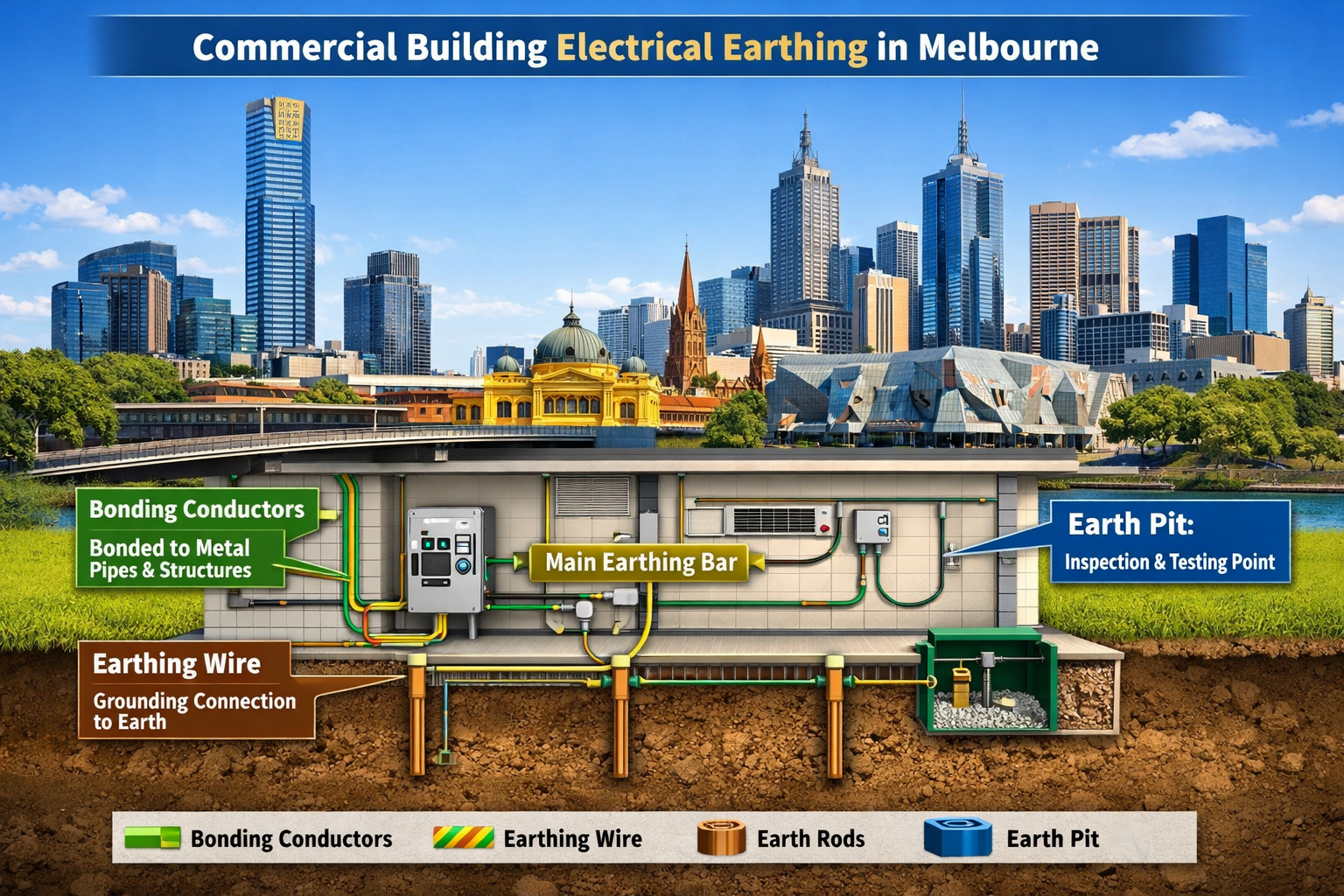
- Main Components of a Commercial Earthing System
- Features and Benefits of a Compliant Earthing System
- Practical Tips For Business Owners in Melbourne
- Detailed Local Information: Codes, Regulations, and Testing Procedures in Melbourne
- How to Enhance Your Commercial Electrical Safety
- The Role of a Commercial Electrician in Ensuring Compliance
- Planning for Your Next Commercial Electrical Upgrade
- Conclusion: Securing Your Future with Guaranteed Electrical Safety
Electrical Earthing Requirements Melbourne: Commercial Building Guide
When it comes to running a successful business in Melbourne, ensuring your commercial property is safe and up to code is absolutely essential. One of the foundations of electrical safety that can sometimes be overlooked is the proper installation and maintenance of your building’s electrical earthing systems. For small business owners navigating commercial fit outs, renovations, or routine maintenance, understanding electrical earthing requirements in Melbourne can save you from costly fines, ensure employee safety, and give you peace of mind.
In this comprehensive guide, we’ll dive deep into what electrical earthing is, why it matters for commercial buildings, and how to ensure your installation meets the strict Australian grounding requirements. We’ll also offer practical tips—from finding a reliable commercial electrician in Melbourne to preparing for inspections—so that your business remains protected and compliant with local building codes.
Introduction: Why Electrical Earthing is Crucial for Your Business
Electrical earthing—that is, grounding your building’s electrical installation—is more than just a regulatory requirement. It’s a critical safety measure that protects your commercial property, equipment, and personnel against electrical faults and lightning surges. For business owners, especially those with multiple floors in an office building, warehouse, retail space, or factory, proper earthing can prevent unexpected downtime and reduce the risk of electrical hazards that may lead to injuries or even significant property damage.
Electrical safety isn’t just about compliance. It’s investing in the longevity of your business infrastructure. By understanding the nitty-gritty of earthing system design, earthing conductor sizing, equipotential bonding, protective earthing, and relevant Australian standards—such as the AS/NZS 3000 wiring rules—you can make informed decisions during building maintenance or commercial fit outs. This guide is designed to make that process as straightforward as possible.
What is Electrical Earthing and Why is it Important?
At its most basic level, electrical earthing (or grounding) involves connecting parts of an electrical installation to the earth. This ensures that in the event of an insulation failure or a short circuit, the fault current is safely directed into the ground rather than causing harm to people, equipment, or structures.
How Does Electrical Earthing Work?
- Earthing Systems & Earth Electrode Systems: In a typical commercial installation, one or more electrodes (such as earth stakes, rods, or plates) are driven into the ground. The connections between these electrodes and the main earthing terminal (MET) help dissipate unwanted electrical energy safely into the soil.
- Equipotential Bonding: This process ensures that all metal parts within the installation are at the same electrical potential, reducing the risk of electrical shock.
- Protective Earthing: This acts as a safety mechanism to safeguard against unexpected electrical faults and lightning strikes, ensuring that fault currents have a direct path to the earth.
Why Business Owners Need to Care:
- Employee and Public Safety: Faulty or missing earthing can result in dangerous electrical shock hazards. By adhering to earthing compliance requirements in Victoria, you’re ensuring your workplace is safe.
- Regulatory Compliance: Commercial buildings in Melbourne must comply with strict electrical installation standards and codes. Failure to adhere to these guidelines can lead to costly fines, legal issues, and operational interruptions.
- Asset Protection: Proper earthing prevents damage to sensitive equipment and helps mitigate the risk of fires, ensuring your business continuity even during electrical faults or lightning strikes.
- Reduced Insurance Premiums: Many insurance companies recognize robust earthing and grounding systems as low-risk measures, potentially leading to reduced premiums.
Understanding Australian Grounding Requirements and Local Codes
Electrical earthing in Australia is governed by a robust framework of standards, codes, and regulations aimed at ensuring safety and reliability. Below, we break down the local requirements and best practices that every small business owner in Melbourne should know.
AS/NZS 3000 Wiring Rules
These rules are the benchmark for all electrical installations across Australia and New Zealand. They set the standards for:
- System design
- Earthing conductor sizing
- Installation practices
- Inspection protocols
Grounding Requirements Australia
In addition to AS/NZS 3000, commercial installations must adhere to grounding requirements specific to the region. This includes guidelines for:
- Earth electrode systems
- Earth stake installation
- Soil resistivity testing
- Lightning protection and surge protection earthing
Earthing Compliance Victoria
Victoria has its own set of stringent regulations:
- Regular Inspections: It is essential to schedule periodic inspections by licensed electricians in Melbourne to ensure your building’s earthing system remains compliant.
- Documentation: Maintaining records of your earthing testing procedures, including earth resistance testing, is mandatory.
- Upgrades & Maintenance: Any building renovations must include a review of the current earthing system to identify if upgrades are needed.
Local Commercial Building Codes and Electrical Safety Regulations
Commercial properties across Melbourne—as diverse as high-rise offices, retail premises, and warehouses—have specific electrical configurations. Key considerations include:
- Building Permits: Major commercial renovations or installations may require updated permits that address electrical safety and earthing system design.
- Electrical Installation Standards: Adhering to these standards is crucial when installing new equipment or updating existing systems to prevent interruptions in business operations.
- Workplace Electrical Safety: Regular compliance ensures that your commercial space meets safety requirements protecting both employees and visitors.
Main Components of a Commercial Earthing System
Understanding the components of an earthing system is crucial for making informed decisions. Let’s break down the main elements:
Earth Electrode Systems
Earth electrodes are the primary devices used to connect your electrical installation to the earth. They can include:
- Earth Stakes: Metal rods or stakes driven into the ground.
- Metallic Earth Plates: Used when soil conditions are not suitable for the installation of standard earth stakes.
- Exothermic Welded Connections: Secure and robust connections used in earthing conductor systems.
Main Earthing Terminal (MET)
This is the central hub where all earthing conductors converge. It acts as the reference point for the entire earthing system and helps in:
- Simplifying the inspection process during compliance audits.
- Providing a singular location to address faults and issue corrective maintenance.
Equipotential Bonding
Equipotential bonding is vital, especially in large commercial buildings, to:
- Ensure all exposed conductive parts reach the same electrical potential.
- Reduce the risk of electrical shock by minimizing voltage differences between different parts of the building.
Protective Earth and Earth Leakage Measures
Modern commercial buildings require additional safety features:
- Residual Current Device (RCD) Requirements: RCDs quickly disconnect the electrical supply if a fault is detected, reducing the risk of shock.
- Earth Leakage Protection: Prevents damage from insulating failures by detecting and interrupting fault currents.
Features and Benefits of a Compliant Earthing System
Installing or upgrading your earthing system offers several tangible benefits for commercial properties in Melbourne. Here are some of the key features and corresponding benefits:
Safety Enhancement
- Feature: Reliable earth fault protection devices and RCDs.
- Benefit: Minimized risk of electrical shocks and injuries, ensuring a safer work environment for employees and customers.
Regulatory Assurance
- Feature: Compliance with AS/NZS 3000 wiring rules and local regulations.
- Benefit: Avoiding hefty fines, legal complications, and ensuring smooth operation of business activities.
Operational Reliability and Durability
- Feature: Design considerations based on soil resistivity testing and earthing conductor sizing.
- Benefit: Prolonged lifespan of electrical installations with fewer operational disruptions and decreased maintenance costs.
Asset Protection
- Feature: Surge protection earthing and lightning protection systems.
- Benefit: Safeguarding sensitive equipment and infrastructure from transient surges and lightning strikes, reducing downtime, and protecting investments.
Insurance and Financial Benefits
- Feature: Documented compliance through regular electrical inspections.
- Benefit: Lower insurance premiums and enhanced business confidence in handling unforeseen electrical faults or emergencies.
Practical Tips For Business Owners in Melbourne
As a small business owner, navigating the world of commercial electrical work can be daunting. Here are some actionable tips to help you secure a safe and compliant earthing system.
1. Finding the Right Commercial Electrician in Melbourne
- Verify Licensing: Always work with a licensed electrician in Victoria. This ensures they are familiar with local regulations and industry best practices.
- Seek Specialisation: Choose electricians who have experience with commercial properties. They should have a good track record with buildings such as offices, warehouses, and retail spaces.
- Ask for References: Don’t hesitate to ask for previous client testimonials or project case studies, especially those related to earthing system design.
- Check for Memberships: Look for electricians who are members of recognised industry bodies. This is a good indication of their commitment to staying updated with the latest in electrical safety standards.
2. Preparing for an Earthing Inspection
- Documentation Ready: Ensure that you have all previous inspection reports and maintenance records handy. This documentation can help your electrician assess previous work and potential areas for upgrade.
- Schedule Regular Maintenance: Regular inspections and periodic earthing testing, such as earth resistance testing, can prevent unexpected downtimes.
- Plan Ahead: If you’re planning any commercial fit outs or building modifications, schedule an earthing system review well in advance to avoid compliance delays.
- Budget for Upgrades: Consider earthing system upgrades as part of your overall maintenance strategy. While there is an upfront cost, the long-term benefits of protection and compliance far outweigh the initial investment.
3. Understanding and Implementing Local Codes
- Stay Informed: Local councils and VicRoads websites often provide updates on new regulations or amendments to existing electrical safety standards. Keeping yourself informed helps you stay compliant.
- Consult Experts: Even if your building has a working system, consulting with a specialist about potential improvements can identify issues that routine inspections might miss.
- Use Certified Equipment: Ensure all equipment used in the installation, like earth stakes, RCDs, and bonding clamps, meet Australian electrical installation standards.
- Plan for Growth: As your business expands, so might your electricity needs. Make provisions to upgrade your earthing system accordingly so that it remains robust and compliant.
4. Best Practices for Earthing Safety in Commercial Buildings
- Perform Soil Resistivity Testing: This crucial test measures the soil’s effectiveness in conducting electricity. It informs the design of your earthing system, ensuring optimal performance.
- Document Everything: From the initial design to routine maintenance and any corrective measures, maintaining thorough records is vital. This documentation not only aids in future inspections but also serves as proof of compliance.
- Invest in Surge and Lightning Protection: Melbourne’s weather can be unpredictable. Investing in a surge protection system integrated with your earthing design can save your business from costly equipment damage.
- Regular Testing: A periodic check-up on your earth resistance levels and earthing conductor connections can help identify any degradation in the system early on.
Detailed Local Information: Codes, Regulations, and Testing Procedures in Melbourne
Melbourne’s regulatory landscape ensures that every commercial electrical installation is subject to rigorous standards. Let’s look at some key local details that you should know.
Compliance with AS/NZS 3000 (Wiring Rules)
- Installation Standards: Every new installation or modification to an existing system in Melbourne must adhere to the guidelines set out in the AS/NZS 3000. This includes everything from conductor sizing to the layout of the earthing system.
- Periodic Reviews: Given that building codes and standards are periodically updated, a review of your installation’s compliance should be scheduled regularly with a licensed electrician in Victoria.
- Inspection Procedures: Local councils often mandate that electrical inspections include detailed assessments of the earthing system. This inspection will cover aspects like the integrity of the main earthing terminal and the effectiveness of protective bonding.
Earthing Testing Procedures
- Earth Resistance Testing: A key component of compliance is verifying that the earth resistance is within safe limits. This test checks for potential issues that may interrupt the safe operation of the earthing system.
- Visual Inspections: Licensed electrical contractors in Melbourne perform detailed visual inspections of all parts of the earthing installation, ensuring that connectors, clamps, and electrodes are properly installed and maintained.
- Soil Resistivity: Testing the soil resistivity is essential as it affects the selection of appropriate earth electrode systems and can vary significantly with geography. Melbourne’s diverse soil types require tailored approaches for each commercial site.
- Frequency of Testing: It’s recommended that these tests be conducted at least once a year, and more frequently if you notice any frequent electrical disturbances or if modifications have been made to the building.
Local Regulations and Building Permits
- Council Requirements: Each Melbourne council may have slight variations in interpreting the electrical installation standards. Ensure that your electrician or contractor is familiar with the local council’s specific regulations.
- Building Permits for Modifications: Any significant commercial fit out or upgrade must include a re-assessment and, if necessary, an update of the earthing system to maintain building electrical compliance.
- Record Keeping: The local authorities require that detailed records of all electrical work, including earthing system testing and certifications, be maintained on site. These records should be available for inspection during audits or after any incident.
How to Enhance Your Commercial Electrical Safety
Investing in a compliant and efficient earthing system is part of a broader strategy to ensure overall electrical safety in your commercial property. Let’s take a look at some additional measures you can implement:
Installing Additional Protective Measures
- Lightning Protection Systems: Given Melbourne’s occasional severe weather, integrating lightning protection with your earthing design further lowers the risk of damage.
- Surge Protection Devices: These devices guard sensitive equipment from voltage spikes during electrical faults. An integrated system can reduce the likelihood of costly downtime.
- Earth Leakage Circuit Breakers (ELCBs): These devices constantly monitor the system for unusual leakage currents, disconnecting the power before a minor fault turns into a hazard.
Advantages of Modern Earthing Technologies
- Improved Detection: Newer systems boast enhanced detection capabilities which can alert you to potential degradation in the earthing system before it becomes a hazard.
- Remote Monitoring: Some state-of-the-art earthing installations now offer remote monitoring options, allowing for proactive maintenance.
- Long-Term Savings: While initial installation expenses may be higher, the long-term safety, reduced repair costs, and insurance benefits make these investments worthwhile.
Encouraging a Culture of Safety
- Employee Awareness Training: Make sure your staff understands basic electrical safety procedures. A well-informed team is more likely to report any irregularities they might notice with the electrical installations.
- Regular Safety Audits: Consider establishing in-house audits or periodic external reviews to ensure that safety measures, including earthing compliance, are consistently met.
- Emergency Procedures: Develop and practice clear procedures in case of an electrical emergency—every business, regardless of size, should have an evacuation plan or a response strategy in place.
The Role of a Commercial Electrician in Ensuring Compliance
Hiring a proficient commercial electrician in Melbourne is not just about fixing faults—it’s about establishing a safe, compliant, and future-proof electrical infrastructure for your business premises. Here’s what you should expect from your electrical contractor:
Expertise and Local Knowledge
- Familiarity with Australian Standards: A top-notch commercial electrician will have a detailed understanding of the AS/NZS 3000 wiring rules, along with Victorian and local council regulations.
- Up-to-Date Training: With electrical safety standards evolving, it’s crucial that your electrician participates in continuous training and professional development.
- Experience with Commercial Projects: They should have a portfolio of successfully completed projects within the commercial sector—ranging from office buildings to retail centers—to understand the diverse needs of different setups.
Comprehensive Service Offering
- Initial Assessment: Your electrician should perform an initial detailed assessment of your building’s current earthing system, identifying potential areas for improvement.
- Design and Installation: They will use the latest tools and techniques to design an earthing system that meets both your current needs and any future expansion plans.
- Ongoing Maintenance and Testing: Regular maintenance contracts ensure that your system is regularly tested and remains compliant, thus preventing any potential lapses in safety.
- Emergency Support: Look for a provider who offers 24/7 support, ensuring that any urgent electrical issues—whether due to faults, storms, or unexpected equipment failures—are promptly addressed.
Planning for Your Next Commercial Electrical Upgrade
Whether you’re planning a new build, refurbishing an older property, or simply looking for expert advice on your current earthing setup, proactive planning is key. Here are some steps to guide you through the process:
Step 1: Conduct a Comprehensive Audit
Begin by having a licensed commercial electrician in Melbourne conduct a full audit of your electrical system. This audit should include:
- A detailed evaluation of the current earthing installations.
- Earth resistance testing and soil resistivity analysis.
- Recommendations for meeting both existing and future load demands.
Step 2: Develop a Tailored Improvement Plan
With the audit results in hand, collaborate with your electrician to:
- Map out necessary upgrades or replacements, particularly in parts of the building where outdated systems may pose safety hazards.
- Consider integrating new technologies such as remote monitoring and enhanced surge protection measures.
- Prioritize any immediate repairs to avoid operational disruptions.
Step 3: Budgeting and Scheduling
Understand that investing in electrical safety doesn’t simply yield regulatory compliance but also long-term cost savings:
- Allocate an appropriate budget not only for the initial installation but also for regular maintenance and future upgrades.
- Schedule the work during off-peak hours or during planned downtimes to minimize disruption to your business operations.
Step 4: Post-Installation Review and Documentation
Once the upgrade is complete, ensure that:
- A thorough inspection is conducted with a detailed report provided.
- All relevant certificates and testing results (such as earth leakage protection and RCD verification) are documented and stored safely.
- Your team is briefed on any changes made and updated emergency protocols are established.
Conclusion: Securing Your Future with Guaranteed Electrical Safety
In the fast-paced world of commercial business in Melbourne, staying ahead of safety regulations is not only about avoiding fines—it’s about safeguarding your most valuable assets: your people, equipment, and reputation. Understanding electrical earthing requirements and ensuring compliance with rigorous standards like AS/NZS 3000 is paramount to effective risk management.
By investing in modern earthing systems, regular testing, and hiring experienced, locally knowledgeable commercial electricians, you’re setting up your business for long-term success. Whether it’s equipotential bonding, earth electrode installation, or deploying the latest surge protection measures, every component of your earthing system plays a critical role in electrical safety and operational reliability.
Remember, periodic reviews, comprehensive maintenance, and proactive planning are your best tools in preventing potential hazards. With this guide, you now have a clearer understanding of the electrical earthing requirements in Melbourne and a set of practical strategies to ensure your commercial property remains safe, compliant, and ready for any electrical challenge that comes its way.
Empower your business by taking the necessary steps today. Connect with a trusted commercial electrician in Melbourne, schedule an earthing audit, and secure your infrastructure the right way—because when it comes to electrical safety, there’s no such thing as being too prepared.
Whether you’re a seasoned business owner or just setting up your first commercial property, electrical earthing is an investment in preventing tomorrow’s problems today. Stay informed about grounding requirements Australia-wide and locally in Melbourne, ensure your building conforms to earthing compliance Victoria, and always advocate for the highest standards of commercial electrical safety. Your building—and everyone inside it—deserves nothing less.
For further details or if you have specific concerns about your commercial building’s electrical installation, don’t hesitate to reach out to local licensed electrical contractors. Together, you can design an earthing system that fits your needs, meets current regulations, and prepares your business for the future.
0 Comments