
- Introduction
- Why Electrical Systems Matter for Veterinary Clinics
- Understanding Veterinary Clinic Electrical Requirements
- Features and Benefits of Professional Veterinary Clinic Electrical Services
- How to Find a Trusted Veterinary Clinic Electrician in Melbourne
- Preparing Your Clinic for Electrical Upgrades or Installation
- Practical Tips for Maintaining Compliance and Safety
- Advanced Electrical Solutions for Modern Veterinary Clinics
- Local Considerations: Melbourne and Its Unique Requirements
- Case Study: An Electrical Upgrade at a Melbourne Veterinary Clinic
- Final Thoughts
- Resources and Next Steps
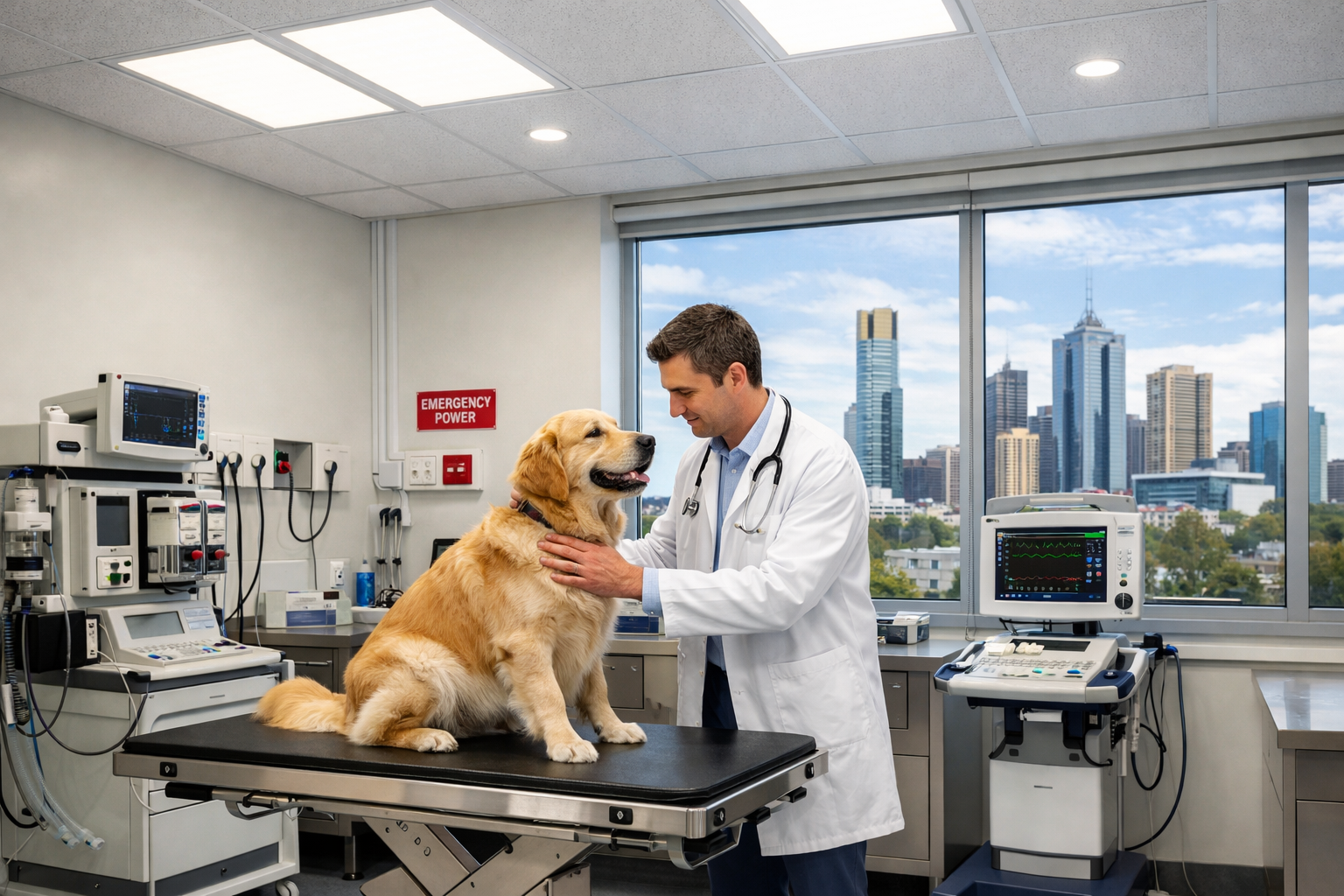
Running a veterinary clinic means caring for animals while also managing a bustling business day-to-day. One of the most overlooked but absolutely critical aspects of a successful clinic is its electrical systems. Whether you’re setting up a new animal hospital or upgrading your existing facilities, ensuring that your veterinary clinic electrical systems meet all necessary standards is key. This post dives deep into the unique electrical requirements for veterinary clinics in Melbourne, covering everything from compliance with local codes to tips for finding the right commercial electrician. Let’s explore what you need to know to create a safe, efficient, and modern environment for your animal patients and staff.
Why Electrical Systems Matter for Veterinary Clinics
The Role of Electricity in Veterinary Clinics
Electricity in a veterinary clinic is not just about powering lights and air conditioning – it’s the lifeblood of your facility. A well-designed electrical infrastructure keeps critical systems running:
- Medical Equipment: Precision instruments and diagnostic devices rely heavily on stable power supplies.
- Lighting: Adequate lighting is essential in surgery rooms, exam areas, and recovery zones where detail is key.
- Heating, Ventilation, and Air Conditioning (HVAC): Maintaining a comfortable climate for both animals and staff is paramount.
- Data Cabling and Communication: Modern veterinary practices heavily invest in digital record-keeping and communication systems.
- Safety and Security: Emergency power systems and proper circuit protection play a huge role in safeguarding both patients and equipment.
Business Considerations
For business owners, maintaining uninterrupted, safe, and high-performance electrical systems can reduce downtime, avoid costly repairs, and prevent potential hazards. Knowing local regulations and standards further ensures that your business stays compliant and insulated from potential legal issues.
Understanding Veterinary Clinic Electrical Requirements
Specific Needs of an Animal Hospital
Unlike standard commercial establishments, veterinary clinics have unique electrical demands. Here are some key areas where your facility might require specialized electrical solutions:
- Medical Grade Electrical Supplies: Veterinary equipment often demands medical-grade power to function accurately without interference.
- Dedicated Circuits for Critical Equipment: Systems like diagnostic machines, autoclaves, and surgical equipment should be on dedicated circuits to avoid overloads.
- Three-Phase Power Requirements: Larger clinics and certain high-demand areas may benefit from three-phase power, ensuring stability in operations and preventing fluctuations.
- Emergency Backup Power: During power outages, it’s essential to have an emergency power system for maintaining critical functions. This includes UPS systems (Uninterruptible Power Supply) and backup generators.
- Data Cabling and Communication Networks: With electronic medical records and digital communication, a state-of-the-art data cabling system is crucial. This not only optimizes workflow but also ensures data integrity.
- Emergency Lighting & Exit Systems: Compliance with emergency lighting standards is vital for safety. This ensures that even in power loss, safe evacuation paths are clearly visible for both patients and staff.
Local Standards and Electrical Compliance in Melbourne
Melbourne has strict building and electrical regulations to ensure public safety. Here are some best practices and codes specific to veterinary clinics:
- Australian Standards (AS/NZS): Ensure that all your electrical installations meet the AS/NZS 3000 standard, often referred to as the Wiring Rules in Australia.
- Electrical Safety Regulations: Melbourne’s local councils enforce guidelines that include regular electrical inspections and certifications. A professional veterinary clinic electrician should be well-versed in these standards.
- Emergency Power Codes: Regulations demand that facilities like animal hospitals have backup power systems and emergency lighting in compliance with local fire and safety codes.
- Regular Inspections: It’s advisable to schedule routine electrical testing and inspections for your facility. This proactive approach not only enhances safety but also helps catch potential issues before they become major problems.
Features and Benefits of Professional Veterinary Clinic Electrical Services
Key Features of Top-Tier Animal Hospital Electrical Systems
When you engage a specialized commercial electrician in Melbourne, you’re looking at a host of features designed to meet the unique demands of a veterinary clinic:
- Customized Electrical Solutions: Every clinic has different needs. Experts tailor solutions based on the layout, equipment, and size of your facility.
- Advanced Safety Mechanisms: Installation of circuit breakers, surge protectors, and proper grounding ensures that your clinic operates at the highest safety levels.
- Energy Efficiency: Modern systems include energy-efficient lighting such as LED solutions tailored for medical environments, reducing long-term costs.
- Scalability: As your clinic grows, your electrical system can be upgraded to handle increased loads and additional advanced equipment.
- 24/7 Service and Emergency Support: Many commercial electricians offer after-hours emergency services. This is critical in a setting where unexpected issues can affect patient care.
Benefits for Your Veterinary Clinic
Investing in professional electrical services yields multiple benefits:
- Enhanced Safety: Staying compliant with regulations protects both your patients and your staff. A reliable electrical system minimizes the risk of fires, equipment malfunctions, or electrical accidents.
- Operational Efficiency: Minimal downtime means your clinic can function smoothly without disruptions during emergency procedures or routine appointments.
- Reduced Operational Costs: Energy-efficient systems lower your utility bills, and proactive maintenance strategies reduce the cost of emergency repairs.
- Increased Trust and Credibility: Clinics that invest in modern, safe technologies send a message of commitment to quality care. This can be a strong selling point for animal owners choosing your clinic over others.
How to Find a Trusted Veterinary Clinic Electrician in Melbourne
Where to Start Your Search
Choosing the right commercial electrician for your veterinary facility can save you time, money, and hassle. Here are some practical tips:
- Ask for Recommendations: Connect with other local businesses or clinics. Personal referrals from peers provide insight into reliability and service quality.
- Check Online Reviews and Ratings: Visit Google, Yelp, or industry-specific forums for reviews on veterinary clinic electricians in Melbourne. Look for consistency in positive feedback regarding punctuality, service quality, and adherence to regulations.
- Verify Qualifications and Certifications: Ensure your chosen electrician has the necessary qualifications. Look for trade licenses, certifications in commercial electrical work, and evidence of ongoing professional development to stay updated on local codes.
- Experience with Medical/Clinical Facilities: Select someone who has a proven track record in handling electrical installations for clinics, hospitals, or laboratories. They will be familiar with the specialized requirements needed for vet practices.
Questions to Ask Your Prospective Electrician
Before making your final decision, consider asking the following:
- What experience do you have working with veterinary clinics or similar medical facilities?
- Can you provide references from previous animal hospital projects?
- How do you ensure compliance with both national and local standards?
- What is your approach to emergency situations, and do you offer after-hours support?
- How do you plan and execute the installation of backup power systems and advanced lighting requirements?
Evaluating Your Options
Take your time to compare quotes and service guarantees from multiple contractors. Sometimes the lowest bid might not provide the best service quality or meet the critical safety standards needed for a busy clinic.
Preparing Your Clinic for Electrical Upgrades or Installation
Conducting a Comprehensive Audit
Before any new work begins, it’s vital to conduct a complete audit of your existing electrical system. This audit should note:
- Current load capacities and potential overload risks.
- The condition of your wiring, switchboards, and circuit breakers.
- Areas where modern equipment may need dedicated circuits.
- The efficiency of your current lighting systems versus modern LED alternatives.
- Backup power systems (existing UPS or generator systems) and their maintenance status.
Collaborative Planning with Your Electrician
Once you have the audit report, work closely with your chosen commercial electrician to design a plan that suits your specific needs. Key considerations include:
- Timeline and Scheduling: Veterinary clinics operate on tight schedules; hence, electrical upgrades are planned during off-peak hours or periods of lower patient appointments to minimize disruptions.
- Minimizing Downtime: Plan for redundancy. For example, while upgrading wiring or installing a new backup generator, ensure that critical areas of your clinic continue to function without interruption.
- Budget and ROI Analysis: While the upfront cost may seem high, investing in a modern electrical system can lower operating costs and reduce risks in the long term. Look at energy savings, fewer breakdowns, and maintenance cost reductions as part of your ROI evaluation.
Implementing Safety Protocols During Installation
Safety is paramount when modifying the electrical infrastructure of a busy clinic:
- Clear Communication: Inform staff about the planned work, especially areas that might be temporarily restricted.
- Contingency Plans: Prepare for temporary outages and emergencies by having backup power systems in place during the upgrade.
- Regular Updates: Work with your electrician on a schedule of regular updates to track the progress and address any immediate concerns that arise during the project.
Practical Tips for Maintaining Compliance and Safety
Regular Electrical Inspections
Routine electrical inspections are essential for ensuring that your clinic remains safe and compliant:
- Annual Inspections: Have a certified electrical inspector evaluate your system at least once a year. Even if everything appears to be functioning well, small issues can develop over time.
- Compliance Certifications: After every major upgrade or installation, obtain certification to prove that your systems conform to Australian and local standards. This documentation is crucial for both legal protection and peace of mind.
- Record Keeping: Maintain detailed records of all inspections, repairs, and upgrade works. This helps in tracking the system’s history and can be a lifesaver in the event of insurance claims or audits.
Adopting Energy-Efficient Practices
When operating a busy animal hospital, energy costs can quickly add up. Here are tips for optimizing energy use:
- LED Lighting: Not only does LED lighting provide bright, accurate illumination necessary for surgical and diagnostic work, but it also consumes less energy and lasts longer.
- Automated Systems: Consider installing smart controls that adjust lighting, HVAC, and other systems based on occupancy and usage, reducing unnecessary power consumption.
- Regular Maintenance: Schedule periodic maintenance of all electrical equipment to ensure that everything runs efficiently. This helps in identifying worn-out parts that might cause energy leaks or inefficiencies.
Emergency Preparedness
Part of maintaining a robust electrical system involves planning for emergencies:
- Backup Generators and UPS Systems: Ensure that your backup power sources are regularly tested and maintained. In emergencies, these systems will be your lifeline.
- Clear Evacuation Plans: Emergency lighting and exit signs should be regularly tested to ensure they function during a power outage. Regular staff training on emergency procedures is also key.
- Surge Protection: Protect sensitive veterinary equipment from voltage spikes by installing proper surge protectors and regularly checking the integrity of your circuit breakers.
Advanced Electrical Solutions for Modern Veterinary Clinics
Embracing Modern Technology for Enhanced Patient Care
In today’s digital age, an efficient electrical system is crucial for integrating advanced technologies into your veterinary clinic. Consider the following upgrades:
- Integrated Data Cabling for Electronic Records: Using a robust data cabling system ensures that electronic health records, imaging, and lab results are transferred seamlessly without data loss or interruptions.
- High-Performance Network Systems: Install a network that supports high-speed data transmission which is particularly important if you’re using telemedicine services or remote diagnostics.
- Automated Environment Controls: Smart sensors and automated controls for temperature and humidity can maintain optimal conditions for sensitive medical equipment and animal recovery areas.
- Advanced Fire Safety Systems: Modern fire detection and suppression systems are integrated into the electrical system, providing real-time monitoring and a rapid response to any hazards detected.
Planning for Future Upgrades
The world of veterinary medicine is constantly evolving. Planning your electrical infrastructure with future expansion in mind can save significant money and hassle later on:
- Scalable Electrical Panels: Invest in electrical panels that can handle increased loads as you add more equipment or expand your facility.
- Modular System Design: A modular design makes it easier to make incremental upgrades and adapt the system to new technologies.
- Energy Storage Solutions: With renewable energy sources like solar power becoming more accessible, consider integrating energy storage solutions (batteries) to supplement your backup generators.
Local Considerations: Melbourne and Its Unique Requirements
Adhering to Melbourne’s Stringent Electrical Codes
Melbourne is known for its rigorous standards when it comes to commercial buildings. For veterinary clinics, compliance is not just about following the law—it’s about ensuring the highest standard of care for your patients. Make sure your commercial electrical contractor is familiar with:
- Local Council Regulations: Each Melbourne suburb might have slightly different requirements. Engage with a contractor who has a track record of working across the region and understands the nuances.
- State and National Safety Codes: Stay updated on any changes in the AS/NZS 3000 standards as well as local amendments that may affect animal care centers.
- Environment and Sustainability Guidelines: Melbourne often champions sustainable building practices. Consider integrating energy-efficient solutions and renewable energy sources to not only comply with guidelines but also position your clinic as an environmentally responsible business.
Advantage of Working with a Licensed Melbourne Commercial Electrician
Finding a trusted commercial electrician in Melbourne who specialises in veterinary clinics can make all the difference. Here’s what sets them apart:
- Proven Local Experience: A local electrician understands the intricacies of Melbourne’s building codes, local weather conditions (which can impact electrical systems), and best practices for installations in busy urban settings.
- Community Reputation and Trust: Many local electricians have built strong reputations through word-of-mouth, often within the veterinary and medical communities. This credibility speaks volumes when it comes to reliability and quality.
- Emergency Response Capabilities: With local resources at hand, licensed electricians in Melbourne can offer rapid response to any electrical emergencies, ensuring minimal downtime and continuity of care.
Case Study: An Electrical Upgrade at a Melbourne Veterinary Clinic
To bring all these points together, consider this hypothetical scenario:
Dr. Lisa, a Melbourne-based veterinarian, ran an established animal hospital that was built over two decades ago. Despite excellent patient care, the clinic faced recurring electrical issues: flickering lights in surgery rooms, outdated circuit breakers causing intermittent power failures, and a complete lack of backup power. Recognising the need for an upgrade, Dr. Lisa engaged a local commercial electrician specialising in veterinary facilities.
The Process
- Initial Audit and Consultation: The electrician conducted a comprehensive electrical audit, advising that the clinic’s initial wiring did not meet current safety standards and that critical equipment lacked dedicated circuits.
- Designing a Modern Electrical Infrastructure: A new system was designed featuring dedicated circuits for medical-grade equipment, energy-efficient LED lighting across clinical and consultation areas, and a clear layout for data cabling that supported the clinic’s digital medical records.
- Installation of Backup Power Solutions: Recognising the importance of uninterrupted operations, a state-of-the-art backup generator and UPS system were installed. This not only protected the clinic during Melbourne’s occasional power outages but also ensured that emergency procedures would not be compromised.
- Ongoing Maintenance and Safety Checks: Post-upgrade, the clinic established a routine with regular inspections and maintenance checks. This ongoing relationship with their electrician ensured that any minor issues were addressed promptly, maintaining overall electrical compliance.
The Outcome
- Dr. Lisa’s clinic experienced fewer disruptions, a reduction in energy bills, and a significant increase in operational reliability. Notably, client trust soared as owners became aware of the clinic’s commitment to safety and modernisation.
Final Thoughts
Investing in a state-of-the-art electrical system for your veterinary clinic is more than a technical necessity—it’s a commitment to the welfare of your patients and the smooth functioning of your business. Whether it’s ensuring that your surgical equipment has a reliable power supply, integrating energy-efficient lighting to create a better environment, or planning for the unforeseen with robust backup systems, every electrical decision impacts your clinic’s overall performance.
Recap of Key Takeaways:
- Compliance is Critical: Stay updated on Melbourne’s local electrical codes and national standards to ensure that your clinic is safe and legally compliant.
- Tailored Solutions: Work with a reputable, local commercial electrician who can design solutions specific to veterinary clinic needs, from dedicated circuits for medical equipment to advanced data cabling.
- Plan for Emergencies: Invest in backup power systems and emergency lighting to guarantee safe evacuations and uninterrupted patient care.
- Future-Proof Your Facility: Consider scalable, modular electrical designs that allow for future tech integration and expansion, ensuring that your clinic remains on the cutting edge.
- Regular Maintenance is Key: Ongoing inspections, testing, and maintenance not only prolong the lifespan of your systems but also protect your investments over the long term.
For small business owners in Melbourne who prioritize both animal care and operational efficiency, partnering with a skilled veterinary clinic electrician can pave the way for a safer, more reliable, and modern facility. Whether you’re opening a new animal hospital or upgrading an existing clinic, the benefits of a well-executed electrical installation are undeniable.
By taking a proactive approach to your electrical infrastructure, you’re not just investing in physical hardware—you’re investing in the health and future of your business. With the right team by your side, you can rest easy knowing that your facility is powered by systems designed to support everything from everyday tasks to emergency procedures.
Resources and Next Steps
If this guide has given you ideas or prompted questions about your facility’s electrical systems, consider these next steps:
- Schedule a Consultation: Reach out to a few reputable Melbourne commercial electricians who specialise in medical or veterinary installations.
- Research Local Regulations: Familiarise yourself with the AS/NZS 3000 standards and get in touch with your local council for any specific guidelines.
- Plan a System Audit: Organise a comprehensive electrical audit of your facility. It’s a small upfront cost that can uncover issues before they become major problems.
- Network with Peers: Connect with other veterinary clinics in your area to learn about their experiences with electrical upgrades and maintenance.
By following these steps, you’ll be well on your way toward ensuring that your veterinary clinic electrical system is not only compliant but also poised for future growth and challenges.
Remember, the right electrical setup can make all the difference between a clinic that is prone to disruptions and one that thrives in delivering quality care at every turn. For your patients, your staff, and your bottom line, investing in robust electrical infrastructure is a winning choice.
In conclusion, tailor your approach, embrace modern electrical solutions, and never compromise on safety. With a well-planned electrical system designed to meet the rigorous demands of a veterinary clinic in Melbourne, you’re setting a solid foundation for operational excellence and exceptional animal care. Happy upgrading, and here’s to a brighter, safer future for your clinic!

0 Comments