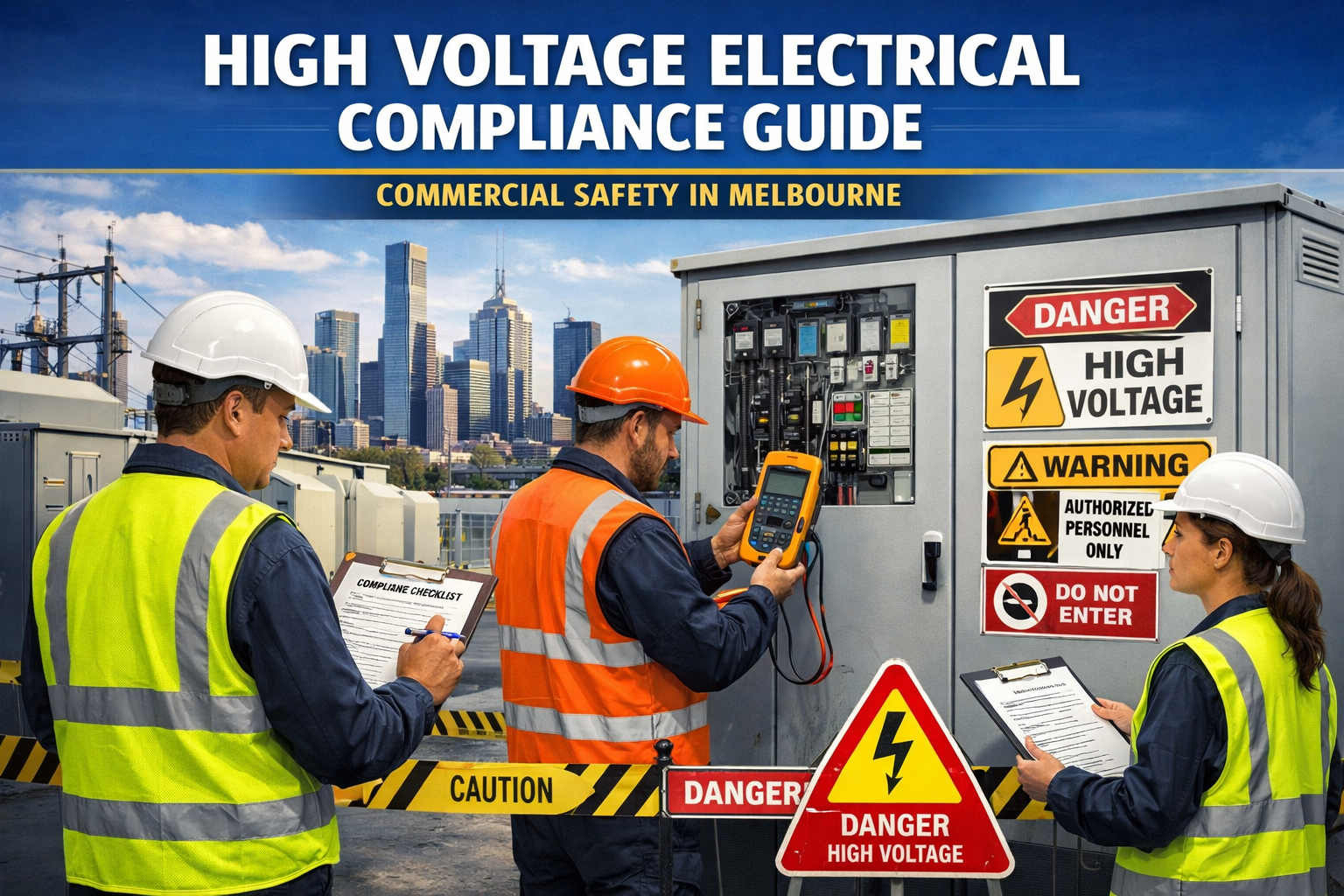
Running a commercial business in Melbourne means juggling many responsibilities—from managing your staff and finances to making sure your property is safe and compliant with ever-evolving regulations. One of the critical but sometimes overlooked aspects is high voltage electrical compliance. Whether you own an office building, retail space, warehouse, or industrial facility, understanding and meeting high voltage safety requirements is essential for minimizing risk and protecting both your employees and your bottom line.
In this comprehensive guide, we’ll break down everything you need to know about high voltage compliance in Melbourne, including what it means, the regulations you need to adhere to, how to find the right commercial electrician to help you out, and practical tips to ensure your property remains safe and compliant. So let’s dive deep into high voltage electrical compliance, making commercial electrical safety accessible and easy to understand.
—
Why High Voltage Compliance Matters for Your Business
For many business owners, the concept of high voltage electrical compliance might feel remote until something goes wrong. However, the implications of non-compliance can be severe:
- Safety Risks: High voltage equipment carries significant risks. Inadequate maintenance or testing can lead to dangerous electrical faults, putting your employees and customers at risk.
- Financial Consequences: Electrical accidents can lead to costly downtime, repair expenses, legal ramifications, and increased insurance premiums—all of which directly impact your bottom line.
- Legal and Regulatory Penalties: Victorian safety regulations are stringent when it comes to workplace electrical standards. Non-compliance can result in fines, sanctions, or even business closure.
- Reputation: A safe, compliant environment enhances your business’s reputation and builds trust among employees, customers, and regulatory bodies.
Knowing that your commercial property adheres to high voltage compliance standards is not only about avoiding negative outcomes—it’s about proactively investing in a safer, more productive, and economically sound work environment. This guide is designed to help small business owners navigate the complexities of high voltage electrical safety in Melbourne.
—
Understanding High Voltage Electrical Compliance in Melbourne
What Is High Voltage Electrical Compliance?
High voltage electrical compliance refers to the process of ensuring that electrical systems, particularly those operating at higher voltages, meet certain safety and operational standards. For commercial buildings, this involves rigorous testing, regular maintenance, and comprehensive documentation to comply with local regulations. Compliance generally includes the following elements:
- Testing and Inspection: Routine high voltage testing and tagging, such as high voltage cable testing, switchboard compliance audits, and high voltage transformer testing.
- Certification: Obtaining an electrical compliance certificate or high voltage certification after inspections.
- Risk Assessments: Regular evaluation of potential electrical hazards and ensuring that proper mitigation measures are in place.
- Maintenance: Scheduled checks and repairs of high voltage switchboards, high voltage power systems, and high voltage installation components.
The High Voltage Environment in Commercial Settings
High voltage systems are a crucial part of many commercial buildings—supporting lighting, HVAC systems, manufacturing equipment, and more. These systems require specialized knowledge to manage, particularly under the strict regulatory framework that governs electrical safety in Melbourne.
Key components of high voltage systems include:
- High Voltage Switchboards: Control centers for electrical distribution within your building.
- High Voltage Substations: Facilities that step down high voltage electricity for safe use throughout your premises.
- High Voltage Cable Systems: The network of cables that carry high voltage electricity safely and efficiently.
- High Voltage Protection Systems: Systems designed to prevent overloads and short circuits.
Understanding these components is paramount because each requires regular inspection and maintenance to ensure continued compliance.
—
Key Regulations and Standards: AS/NZ 3000 and Beyond
The Role of AS/NZ 3000
At the heart of electrical compliance in Australia lies the AS/NZ 3000 standard, also known as the “Wiring Rules.” This standard covers:
- Safe installation of electrical wiring and equipment.
- The engineering and construction criteria for reducing the potential for electric shock and fire.
- Guidelines on electrical testing and tagging procedures particularly relevant to high voltage systems.
For Melbourne businesses, complying with AS/NZ 3000 is mandatory, and failure to do so can result in legal action, heavy fines, or even the revocation of operational licenses.
Other Regulatory Bodies and Standards
Other important regulations and standards include:
- WorkSafe Victoria Guidelines: These provide comprehensive frameworks for ensuring workplace safety, including high voltage equipment.
- Local Council Regulations: Depending on your location within Melbourne, local councils may have additional compliance requirements.
- Electrical Safety Act and Regulations: These acts outline the responsibilities of business owners and electrical contractors in maintaining electrical safety.
Electrical Compliance Certificate and Reports
After completing electrical safety inspections and high voltage testing, commercial properties usually receive an electrical compliance certificate and an electrical compliance report. These documents serve as proof that your systems meet current safety standards, making it easier to pass audits and inspections.
—
Features and Benefits of High Voltage Compliance
Benefits at a Glance
- Improved Workplace Safety: Ensuring that all high voltage equipment is tested, maintained, and compliant minimizes the risk of accidents, protecting both employees and customers.
- Cost Savings: Regular maintenance and early detection of potential issues can prevent costly repairs or major electrical failures in the future.
- Regulatory Adherence: Compliance with AS/NZ 3000 and local safety regulations means you’re always on the right side of the law.
- Business Continuity: A safe and well-maintained electrical system reduces downtime and ensures that your operations run smoothly.
- Enhanced Reputation: A commitment to safety and compliance instills confidence in your staff, customers, and business partners.
Key Features
- High Voltage Testing: Regular high voltage testing processes ensure that systems such as high voltage transformers, switchboards, and substation equipment remain safe.
- Electrical Compliance Audits: Complete evaluations of your electrical systems provide you with a detailed electrical compliance checklist, highlighting any areas that need attention.
- Maintenance Programs: Customized maintenance schedules designed by expert commercial electricians in Melbourne help ensure that high voltage equipment is always operational and safe.
- Risk Assessments: Detailed electrical risk assessments help identify potential hazards and mitigate risks before they cause harm.
- Documentation and Reporting: Detailed reports and compliance certificates are invaluable during audits and help in regular safety training programs.
—
The Process: From High Voltage Testing to Certification
High voltage electrical compliance isn’t just a one-off task—it’s an ongoing process. Here’s an in-depth look at what the process typically involves:
1. Initial Assessment and Risk Evaluation
Before any work begins, a comprehensive risk assessment is performed by a qualified electrical safety officer or commercial electrician in Melbourne. This assessment involves:
- Reviewing existing electrical installations.
- Identifying high voltage equipment such as high voltage switchboards, transformers, and cable systems.
- Evaluating potential risks and determining the maintenance and testing requirements.
2. Detailed Electrical Testing and Tagging
Once the initial assessment is complete, the next step is high voltage testing and tagging. This involves:
- High Voltage Testing Procedures: Using specialised equipment to test the integrity of high voltage cables, switchboards, and other components.
- Test and Tag Services: Each piece of equipment is tagged after testing to indicate its compliance status.
- Documentation: Recording the results of these tests in an electrical compliance report which serves as a reference for future inspections.
3. Maintenance and Repairs
If any issues are identified during testing:
- High Voltage Maintenance: Professional electricians are brought in to carry out necessary repairs or upgrades.
- Preventive Measures: Upgrading outdated equipment or reconfiguring the electrical layout to reduce risk.
- Compliance Updates: Ensuring that any modifications meet the latest AS/NZ 3000 standards and local regulations.
4. Compliance Certification and Reporting
After high voltage testing, maintenance, and repairs, your property should receive an electrical compliance certificate. This certification:
- Confirms that your electrical systems meet current safety standards.
- Serves as a key document during inspections or compliance audits.
- Helps in showcasing your commitment to workplace safety and regulatory adherence.
5. Regular Inspections and Follow-Ups
High voltage compliance is an ongoing commitment:
- Annual Inspections: Many commercial properties in Melbourne schedule annual electrical safety inspections.
- Periodic Reviews: Regular reviews help ensure that any changes in regulations or standards are adequately addressed.
- Continuous Training: Keeping your team informed about high voltage safety procedures and new compliance requirements is crucial.
—
Practical Tips for Choosing the Right Commercial Electrician in Melbourne
When it comes to high voltage compliance, partnering with an experienced and reliable commercial electrician is essential. Here are some practical tips to help you choose the right professional:
1. Look for Local Experience and Expertise
- Local Knowledge: Choose a commercial electrician who is well-versed in Melbourne’s electrical safety regulations and local codes such as the AS/NZ 3000 standard.
- High Voltage Experience: Ensure the electrician has specific experience with high voltage systems—including high voltage testing, maintenance, and compliance audits.
2. Verify Qualifications and Certifications
- Electrical Licensing: Confirm that the electrician holds the necessary licenses and certifications to carry out high voltage work.
- Regular Training: Look for contractors who invest in ongoing training, keeping up-to-date with the latest electrical safety standards and high voltage safety training.
3. Request References and Reviews
- Client Testimonials: Check for reviews from other commercial property owners and ask for case studies or references that highlight successful high voltage compliance projects.
- Portfolio: A detailed portfolio showing previous work on high voltage installations, switchboard upgrades, and compliance audits can offer reassurance of their expertise.
4. Ask About Their Process and Documentation
- Comprehensive Compliance Reports: The best electricians will offer detailed reports and an electrical compliance checklist that documents each step of the process.
- Transparent Communication: Clear, open communication regarding timelines, testing procedures, permits, and potential upgrades is vital.
5. Inquire About Their After-Service Support
- Scheduled Maintenance Programs: A reputable commercial electrician will offer ongoing maintenance and support plans to ensure continual compliance.
- Emergency Response: High voltage issues can arise unexpectedly—ensure your chosen contractor offers prompt emergency services if needed.
—
Preparing Your Business for a High Voltage Electrical Compliance Audit
Planning ahead for an electrical compliance audit can make the process smoother and less stressful. Here are some actionable steps you can take:
1. Conduct an Internal Review
Before inviting an external auditor:
- Internal Audit: Perform a self-inspection of your high voltage systems. Ensure that maintenance logs, previous compliance certificates, and risk assessments are all up-to-date.
- Documentation Check: Organise all relevant documentation, such as past compliance reports, electrical testing and tagging records, and maintenance contracts.
2. Educate Your Staff
- Training Sessions: Arrange for regular electrical safety training sessions so that your staff is aware of high voltage safety procedures.
- Emergency Protocols: Ensure that all employees understand the emergency protocols in case of an electrical fault.
3. Schedule a Pre-Audit Inspection by a Commercial Electrician
- Professional Review: It might be valuable to have a commercial electrician in Melbourne perform a pre-audit inspection. This professional review can identify any potential issues before the official audit.
- Rectify Issues: Promptly address any flagged concerns or compliance gaps to avoid complications during the official audit.
4. Plan for Upgrades
- Budgeting: If you’re aware that some equipment needs upgrading to meet the latest high voltage installation standards, begin budgeting for these upgrades immediately.
- Long-Term Compliance: View these upgrades as investments in the longevity and safety of your business operations, rather than as a mere expense.
—
Local Best Practices and What the Law Says
In Melbourne, adherence to high voltage electrical compliance is not a mere recommendation—it is required by law. Here are some local best practices and regulations you should be aware of:
1. Understand the Regulatory Landscape
- WorkSafe Victoria: This agency outlines rigorous safety regulations that commercial properties must adhere to. Non-compliance can result in fines or shutdowns.
- Local Council Guidelines: Depending on your suburb or municipality, there might be additional requirements regarding high voltage installations and maintenance.
- The Electrical Safety Act: This act mandates that all electrical work, especially high voltage electrical work, comply with strict guidelines to ensure public and workplace safety.
2. Regular Inspections are a Must
- Mandatory Annual Inspections: Many commercial facilities are required to undergo annual electrical safety inspections to stay compliant.
- Switchboard and Equipment Testing: Regular testing—such as high voltage testing melbourne procedures—is necessary for high voltage switchboards, transformers, and cable systems.
3. Maintain Comprehensive Records
- Documentation: Keep a detailed log of all inspections, testing, tagging, and maintenance activities. During compliance audits, these records can demonstrate your commitment to electrical safety.
- Compliance Certificates: Always file and update your electrical compliance certificates. They are critical, especially in the event of insurance claims or regulatory reviews.
4. Engage Qualified Professionals
- Licensed Contractors: Only work with licensed and experienced commercial electricians in Melbourne who specialise in high voltage installations and maintenance.
- Ongoing Support: Establish long-term relationships with reputable electrical contractors who can provide regular updates and ongoing compliance audits.
5. Stay Informed on Updates
- Regulatory Changes: Electrical safety standards and local laws can change. Subscribe to updates from WorkSafe Victoria or local electrical associations to ensure you’re always in the loop regarding new requirements for high voltage compliance.
- Industry Seminars: Attending local seminars on commercial electrical safety can provide both networking opportunities and insights into the latest trends and best practices.
—
FAQs on High Voltage Compliance
Here are some frequently asked questions that many Melbourne business owners have related to high voltage compliance:
Q1: What exactly is high voltage compliance, and why do I need to worry about it?
High voltage compliance ensures that all electrical systems operating at higher voltages meet stringent safety standards. For businesses, complying means reducing risks of accidents, avoiding expensive downtime, and adhering to legal obligations under regulations such as AS/NZ 3000.
Q2: How often should high voltage testing be conducted?
It’s generally recommended that high voltage equipment undergo regular testing—often on an annual basis or as determined by risk assessments. Some equipment, like high voltage switchboards and power systems, may require more frequent inspections depending on usage and environmental conditions.
Q3: Can I perform some of these checks myself?
Due to the risks involved with high voltage systems, it’s critical to leave testing, tagging, and maintenance to licensed professionals. Attempting DIY checks can be dangerous and may void your compliance certifications.
Q4: What should I expect during an electrical compliance audit?
During an audit, a qualified electrical safety officer or commercial electrician will review your maintenance logs, testing records, and conduct physical inspections of your high voltage equipment. They verify that all installations, from high voltage substation components to high voltage transformer testing, meet the required standards.
Q5: What steps can I take if my property fails an audit?
If issues are identified during an audit, the recommended course of action is to immediately engage with a commercial electrician in Melbourne who specializes in high voltage compliance. They can help rectify issues and guide you through the process of obtaining an updated electrical compliance certificate.
—
Conclusion and Next Steps
Maintaining high voltage electrical compliance in Melbourne is a critical part of protecting your business, your employees, and your customers. It’s an ongoing process involving rigorous testing, regular maintenance, and adherence to strict standards such as AS/NZ 3000. While the technical details and regulatory requirements may seem daunting at first, partnering with experienced professionals and following the right steps can ensure your commercial property remains safe, functional, and legally compliant.
By understanding high voltage testing procedures, scheduling regular inspections, and investing in reliable high voltage maintenance services, you’re not only mitigating risks but also supporting the long-term productivity and success of your business. Remember, safety and compliance are investments that pay off by reducing unexpected downtime, avoiding legal issues, and creating a safe environment that enhances your reputation as a responsible business owner.
If you’re looking for expert guidance on high voltage compliance in Melbourne, consider partnering with local experts who understand both the technical and regulatory nuances of commercial electrical safety. Rest assured: with the right approach, your business will not only meet but exceed the necessary electrical safety standards.
Take action today—review your existing electrical systems, schedule a comprehensive compliance audit, and ensure you have the support of skilled commercial electricians who can navigate Melbourne’s ever-changing regulatory landscape.
Stay safe, stay compliant, and let your business shine by setting the standard for commercial electrical safety in Melbourne!
Whether you’re planning a major electrical upgrade or simply want to ensure ongoing high voltage maintenance meets local compliance requirements, use this guide as your roadmap. Your business’s safety, reputation, and profitability depend on it!
0 Comments