
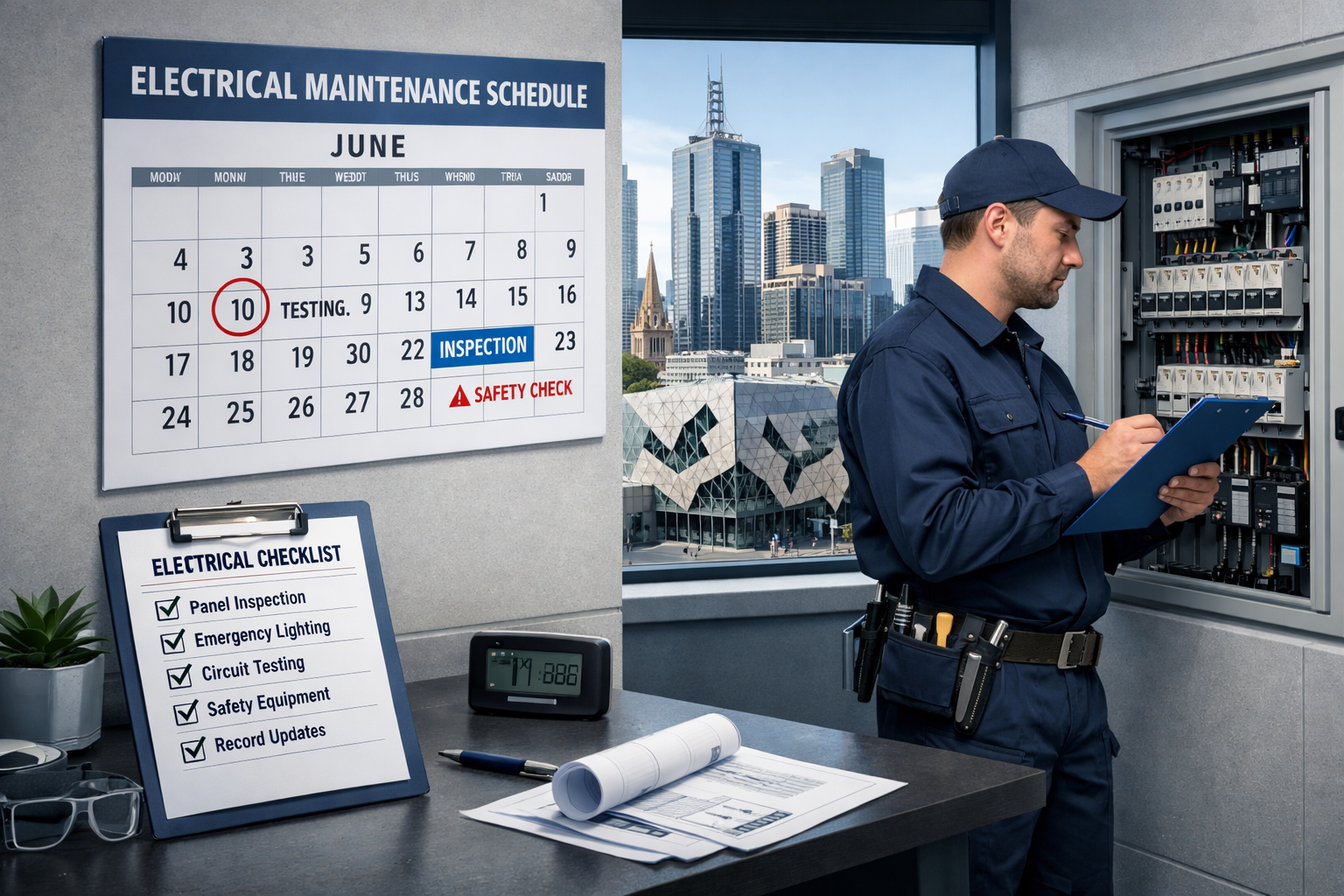
Electrical Maintenance Schedule Melbourne: Commercial Compliance Guide
Running a small business in Melbourne means juggling a lot of responsibilities—from managing staff and finances to ensuring your business premises are safe and compliant. One area that often gets overlooked is your electrical systems. Establishing a robust electrical maintenance schedule isn’t just about keeping the lights on—it’s all about ensuring your commercial space meets the latest electrical safety standards and regulations, protects your employees, and ultimately saves you money in the long run.
In this comprehensive guide, we’re diving deep into electrical maintenance schedules for commercial properties in Melbourne, covering everything from why it’s important to how you can implement best practices. Whether you’re a commercial property owner, facility manager, or a small business owner who simply wants to ensure your electrical systems are safe and fully compliant, read on to discover practical tips, compliance checklists, and effective strategies to keep your property running smoothly.
Table of Contents
- Why an Electrical Maintenance Schedule is Essential
- Understanding Your Electrical Maintenance Needs
- Regulations and Best Practices in Melbourne
- Key Components of a Commercial Electrical Maintenance Program
- Features and Benefits of a Robust Maintenance Schedule
- Practical Tips for Hiring a Commercial Electrician in Melbourne
- Preparing Your Business for Scheduled Electrical Maintenance
- A Closer Look at Essential Testing and Inspections
- Developing a Long-Term Electrical Maintenance Plan
- Conclusion
Why an Electrical Maintenance Schedule is Essential
Safeguarding Your Business
Imagine this: a sudden electrical fault in your commercial property, resulting in flickering lights, damaged equipment, or even a potentially catastrophic fire. Not only can such an incident interrupt your business operations, but it can also lead to serious safety hazards and hefty repair bills. By establishing an organized electrical maintenance schedule, you can minimize these risks by ensuring regular electrical inspections and timely repairs.
Ensuring Compliance with Standards
In Melbourne and across Australia, strict codes and regulations govern electrical installations to protect both business owners and employees. Compliance isn’t optional. An electrical maintenance schedule helps maintain adherence to standards such as the OH&S electrical requirements, ensuring that your electrical systems meet legal obligations and safety standards. Regular electrical safety inspections in Melbourne and scheduled electrical testing not only keep you compliant but also provide peace of mind.
Enhancing Energy Efficiency and Performance
One of the often-overlooked benefits of regular electrical maintenance is improved energy efficiency. Faulty wiring, aging switchboards, or malfunctioning circuit breakers can all lead to energy wastage, driving up your utility bills. Preventive electrical maintenance can pinpoint and correct inefficiencies, ensuring that your system operates at peak performance and reduces your overall operational costs.
Protecting Your Reputation
For small business owners, reputation is everything. A well-maintained electrical system is a sign of a professional, responsible business that prioritizes safety. On the flip side, an electrical mishap not only disrupts your operations but can also tarnish your business reputation. Implementing a detailed electrical maintenance plan ensures that you’re always ready for an annual electrical inspection, quarterly maintenance, or emergency electrical services when needed.
Understanding Your Electrical Maintenance Needs
Before diving into the specifics of scheduling and routine planning, it’s important to understand the various aspects that go into maintaining commercial electrical systems.
Types of Electrical Maintenance
- Preventive Electrical Maintenance: This involves routine checks and tests designed to prevent problems before they occur. Regular scheduled testing, including test and tag Melbourne of electrical equipment, RCD testing schedules, and thermal imaging inspections, are all part of this proactive approach.
- Corrective Electrical Maintenance: When an issue is detected, immediate corrective action is required. Whether it’s repairing a faulty power system or addressing an unexpected electrical fault, your commercial electrician Melbourne must be ready to respond promptly.
- Predictive Electrical Maintenance: Utilizing modern tools and technologies, this approach monitors the condition of electrical equipment and systems. This includes advanced diagnostics like power quality testing and voltage testing schedules to predict potential failures.
Key Areas to Focus On
- Switchboard Maintenance: Regular inspection and servicing of switchboards are crucial for ensuring that electrical loads are managed properly, so potential circuit breaker issues are caught early.
- Emergency Lighting Testing: It’s essential in commercial buildings that emergency lighting is in perfect working order. Periodic emergency lighting testing ensures that exit light maintenance meets local safety regulations.
- Circuit Breaker Testing and Electrical Load Testing: Both processes ensure that your circuits are correctly balanced and that unexpected surges are adequately dealt with before they damage equipment.
- Electrical Service Agreement Records: Proper record-keeping is a must. Maintaining up-to-date logs of inspections, maintenance work, and compliance certificates (electrical safety certificate) ensures that in the event of an audit, your business is always prepared.
Regulations and Best Practices in Melbourne
Local Codes and Standards
Melbourne’s commercial properties must comply with several specific regulations that set the standards for electrical safety and maintenance. Key regulations include:
- Building Code Compliance: Every commercial property must meet the minimum requirements laid out in the local building codes. This covers everything from wiring methods to emergency exit lighting.
- OH&S Electrical Requirements: The Occupational Health and Safety (OH&S) regulations in Australia detail how businesses must manage electrical hazards. This includes regular risk assessments, employee training, and certainly, scheduled electrical testing.
- Electrical Safety Compliance Certificates: After routine repairs or installations, obtaining an electrical safety certificate is critical. Certified reports act as proof of compliance during inspections.
Best Practices for Compliance
- Schedule Regular Inspections: Engage a licensed electrician in Melbourne to conduct frequent electrical safety inspections. Whether these are quarterly electrical maintenance sessions or annual electrical inspections, consistency is key.
- Maintain a Detailed Electrical Inspection Checklist: This checklist should cover all aspects, from commercial wiring inspection to emergency electrical services. Documenting each inspection can help track improvements and schedule proactive repairs before issues escalate.
- Plan for Upgrades and Replacement: As your business grows, the electrical demands will change. Evaluate your electrical asset management regularly to determine if an electrical system upgrade is necessary—be it for increasing capacity or enhancing safety features.
- Invest in Training and Awareness: Ensure that your staff understands the importance of electrical safety, how to respond during an emergency, and when to raise concerns internally.
Staying Updated with Regulations
The landscape of electrical safety is ever-changing. Being proactive about updates in building codes, electrical safety standards, and new testing procedures is essential. Regular communication with your trusted commercial electrician in Melbourne can ensure your business is always up-to-date with the latest legal requirements and best practices. For official guidance on electrical safety in Victoria, consult Energy Safe Victoria.
Key Components of a Commercial Electrical Maintenance Program
An effective commercial electrical maintenance program is dynamic and tailored to the specific needs of your business. Here are the building blocks of a well-structured program:
Electrical Compliance Checklist
A detailed checklist ensures that every aspect of your commercial electrical system is inspected and maintained. This includes:
- Visual Inspections: Initial check-ups of visible wiring, switchboards, outlets, and emergency lighting.
- Functional Testing: Scheduled electrical testing, such as RCD testing and circuit breaker testing, to ensure proper functionality.
- Risk Assessment: Identifying potential electrical hazards and promptly addressing them through corrective or preventive measures.
- Certification and Record Keeping: Maintaining records of all inspections, testing procedures, and any corrective measures taken, including updated electrical service certificates.
Scheduled Electrical Testing
Implementing a rigorous scheduled electrical testing routine ensures continual monitoring. Various tests include:
- Preventative Maintenance Program: Regular assessments such as thermal imaging inspections help detect overheating components before they fail.
- Test and Tag Melbourne Programs: Ensuring that mobile or portable electrical appliances are safe to use through periodic tagging and testing.
- Voltage and Current Testing: These tests confirm that the power supply remains within safe limits, ensuring both energy efficiency and equipment protection.
Circuit Breaker and Switchboard Maintenance
Circuit breaker failures and switchboard problems can lead to widespread electrical system failures. Ensure that:
- Circuit Breakers: Are regularly tested to prevent unexpected trips or overloads.
- Switchboards: Are professionally inspected and maintained to handle both current and surge loads efficiently.
Emergency Lighting and Exit Signs
Safety isn’t just about preventing fires or electrical faults; it’s also about ensuring safe egress. Regular maintenance of emergency lighting and exit signs ensures:
- Visibility in Emergencies: Reliable lighting helps occupants navigate safely during unexpected power outages.
- Regulatory Compliance: Australian standards require these systems to be checked regularly and certified fit for purpose.
Electrical Asset Management
A proactive maintenance program doesn’t stop at inspections. It also involves managing the overall electrical infrastructure. This includes:
- Asset Inventory: Keeping detailed records of all electrical equipment, including age, warranties, and maintenance history.
- Budgeting for Upgrades: Allocate funds for imminent replacements or upgrades. Over time, this planning can save your business from unexpected large expenditures.
Features and Benefits of a Robust Maintenance Schedule
Minimizing Downtime and Avoiding Costly Repairs
One of the most compelling benefits of a comprehensive electrical maintenance program is the reduction in downtime. When your electrical systems are regularly serviced and inspected:
- Unexpected Failures are Prevented: Regular maintenance helps detect issues early before they turn into major and costly problems.
- Efficient Operation: A well-maintained system ensures equipment runs efficiently. This avoids expensive energy wastage and reduces wear and tear on your electrical appliances.
- Cost Savings: Proactive maintenance is invariably more cost-effective than reactive repairs after a failure. By following a preventive maintenance program, you are likely to extend the lifespan of your electrical assets.
Enhancing Workplace Safety and Employee Confidence
A reliably operated electrical system is essential for a safe working environment. Here’s how:
- Improved Safety Compliance: Regular testing and inspections help prevent accidents, protecting your employees from potential hazards.
- Employee Morale: When workers know that their workplace is safe and compliant, it boosts morale and productivity.
- Insurance Benefits: Insurers often recognize the benefits of regular maintenance. This might lead to lower premiums or better terms in the event of a claim.
Ensuring Longevity and Reliability of Your Electrical Systems
Investing time and resources in a scheduled electrical maintenance program strengthens your overall asset management strategy. Long-term benefits include:
- Extended Equipment Lifespan: Regular upkeep slows down the degradation of electrical components.
- Better Return on Investment (ROI): Well-maintained systems tend to operate more efficiently, delivering better long-term financial returns.
- Enhanced Building Value: A commercial property with an up-to-date electrical maintenance record is more appealing to potential buyers or tenants.
Environmental and Energy Efficiency Benefits
Beyond safety and operational efficiency, there are environmental benefits:
- Energy Conservation: Efficient, regularly maintained systems use less energy, reducing your business’s carbon footprint.
- Sustainable Practices: By actively managing your energy use through preventive measures, you contribute to broader sustainability initiatives. Energy efficiency upgrades and system upgrades can often qualify for government rebates or incentives.
Practical Tips for Hiring a Commercial Electrician in Melbourne
Finding the right commercial electrician is crucial to ensure your maintenance schedule is executed flawlessly. Here are some practical tips that will help you make the best choice:
Look for Accredited and Licensed Professionals
- Check Credentials: Ensure any commercial electrician you hire is fully licensed in Melbourne. Accreditation by local electrical safety authorities means they are up-to-date on the latest testing procedures and industry best practices.
- Verify Experience: Look for professionals with a proven track record in commercial electrical maintenance. Experience with commercial fit-out projects, industrial electrical maintenance, and complex electrical asset management is invaluable.
Seek Recommendations and Reviews
- Word-of-Mouth: Ask fellow business owners, building managers, or property maintenance professionals for referrals. Personal experiences can provide insight into reliability and quality.
- Online Reviews: Sites like Google Reviews or industry-specific directories can help you gauge the reputation of local commercial electricians.
- Case Studies and Portfolios: Request examples of previous work, especially projects that required an electrical compliance checklist and emergency electrical services.
Get Multiple Quotes and Assess Service Agreements
- Comparative Pricing: Ensure you obtain multiple bids to understand the general cost of services like scheduled electrical testing and maintenance record keeping.
- Service Agreements: A detailed electrical service agreement should outline exactly what is included—emergency lighting testing, circuit breaker testing, and ongoing preventative care. Look for clarity, transparency on additional costs, and guarantees on response times.
Ask About Their Maintenance Approach
- Preventative vs. Reactive Maintenance: Clarify if they offer a preventative maintenance program, including routine scheduled checks versus only responding when issues arise.
- Customization: Ensure they can tailor a maintenance plan to suit your specific commercial property needs, addressing everything from commercial wiring inspection to power system maintenance.
Confirm Their Knowledge of Local Regulations and Best Practices
- Regulatory Expertise: Your chosen electrician should be fully aware of Melbourne’s building code compliance standards, test and tag requirements, and emergency exit maintenance protocols.
- Compliance Checklists: Ask if they provide a detailed electrical inspection checklist to keep your records up-to-date, which is critical during an annual electrical inspection.
- Ongoing Communication: A good commercial electrician should offer regular updates and share any changes in OH&S electrical requirements. This proactive communication is key to staying ahead of potential compliance issues.
Preparing Your Business for Scheduled Electrical Maintenance
Once you know which professional is best for the job, there are several preparation steps you can take to ensure your electrical maintenance process runs smoothly.
Internal Preparations
- Review Maintenance Records: Go through previous maintenance schedules, electrical service schedules, and inspection reports. This helps identify recurring issues and informs what needs extra attention.
- Develop an Electrical Inspection Checklist: Work with your electrician to create a custom checklist relevant to your property. This checklist should include all relevant points from switchboard maintenance to thermal imaging inspection details.
- Educate Your Employees: Ensure your staff knows the basics of electrical safety. Hold briefings on workplace electrical safety and inform them about emergency procedures, such as responding to an electrical fault or fire alarm.
- Set Aside a Maintenance Budget: Preparedness means budgeting for both routine maintenance and unexpected repairs. Allocating funds for these services avoids delays in getting critical repairs done.
On-Site Preparations
- Clear Access Areas: Make sure that electrical panels, circuit breakers, and emergency lighting fixtures are easily accessible. Clutter or locked panels can delay maintenance and increase the risk of missing important areas during inspections.
- Plan for Minimal Disruption: Schedule maintenance during off-peak hours if possible. Coordination with your commercial electrician Melbourne can help minimize disruption to daily operations, ensuring your business remains operative during checks.
- Communication with Occupants: Inform staff and tenants in advance about scheduled maintenance. Transparency is key to maintaining trust and ensuring everyone knows what to expect during inspections.
Post-Maintenance Actions
- Review Inspection Reports: Once the maintenance is complete, sit down with your technician to review their report. This helps ensure that any identified issues are addressed promptly.
- Document Everything: Keep a detailed record of all maintenance activities, inspections, and any follow-up actions. This not only aids in compliance but also helps in future planning for electrical system upgrades or predictive maintenance exercises.
- Plan the Next Schedule: Based on the findings and recommendations, set up your next session and adjust your electrical maintenance plan if needed.
A Closer Look at Essential Testing and Inspections
Ensuring your business’s electrical safety means understanding the different types of inspections that are part of your maintenance schedule.
Annual Electrical Inspections
An annual electrical inspection goes beyond just a casual walk-through. It involves:
- Detailed assessments of wiring, outlets, and all electrical installations.
- Comprehensive testing of systems to confirm effective grounding and load distribution.
- Providing an electrical safety certificate that can be essential for insurance and compliance purposes.
Quarterly Electrical Maintenance Checks
For high-usage commercial properties, quarterly checks are recommended. They include:
- Routine visual inspections and functional testing of emergency systems.
- Verification of proper operation of all test and tag Melbourne equipment.
- Checking for wear and tear in frequently used components such as switchboards and circuit breakers.
Specialized Testing Procedures
Certain areas require more focused attention. Some examples include:
- RCD Testing Schedule: Residual Current Devices (RCDs) require regular tests to ensure they will trip correctly when needed, reducing the risk of electrocution.
- Thermal Imaging Inspections: Using thermal imaging technology allows electricians to detect hot spots that could indicate overloaded circuits or loose connections before they become major problems.
- Circuit Breaker and Voltage Testing: Detailed tests ensure circuit breakers are working effectively and that voltage levels remain consistent across your electrical systems.
- Emergency and Exit Lighting Tests: These tests are crucial for ensuring safety during power outages and emergencies, confirming that all exit lights operate correctly and meet regulatory standards.
By understanding and scheduling these essential tests, you’re not only ensuring compliance but also proactively safeguarding against potential issues that could cause operational disruptions.
Developing a Long-Term Electrical Maintenance Plan
A reliable electrical maintenance plan isn’t a one-off task—it’s an ongoing commitment that evolves along with your business. Here’s how to build a sustainable plan:
Assess Your Current System
- Conduct a Comprehensive Audit: Work with your licensed electrician to conduct a full audit of your electrical system. Identify areas of concern and map out a maintenance schedule that fits the unique demands of your commercial property.
- Review Historical Data: Look at previous inspection reports and maintenance records to identify any recurring issues. Understanding these patterns can help you plan targeted interventions.
Create a Realistic Maintenance Schedule
- Frequency of Inspections: Depending on your property type and usage, decide whether annual inspections, quarterly maintenance, or even monthly checks are necessary.
- Service Agreements: Establish a long-term service agreement with a trusted commercial electrician Melbourne that outlines scheduled electrical testing, emergency response protocols, and comprehensive maintenance coverage.
- Budget Allocation: Plan for both routine maintenance costs and unexpected repairs. A clear budget helps ensure that funds are available when needed, reducing delays in addressing any issues.
Incorporate Technology and Data Management
- Maintenance Record Keeping: Use digital tools or software to track all maintenance activities, inspection dates, repair history, and compliance certificates. This data can be invaluable during both audits and when planning future upgrades.
- Predictive Analysis: Consider investing in systems that offer predictive maintenance capabilities. By analyzing historical data and current performance metrics, your electrician can better forecast when major components might fail, enabling timely interventions.
Regular Review and Updates
- Annual Reviews: At least once a year, review your maintenance plan. Update procedures and frequency in line with new regulations, technological advancements, or changes in business operations.
- Continuous Training: Keep your maintenance team and staff educated on the importance of electrical safety and emerging best practices. Regular training sessions can help ensure that minor issues don’t escalate into major repairs.
Conclusion
A well-executed electrical maintenance schedule is the unsung hero behind safe and efficient commercial operations in Melbourne. By establishing a proactive maintenance plan that incorporates preventive electrical maintenance, regular safety inspections, and a detailed compliance checklist, you’re not only ensuring that your electrical systems are in top-notch condition but also safeguarding your employees, reducing downtime, and protecting your bottom line.
For small business owners, this might seem like just another box to tick—but it’s a critical one. Whether it’s preparing for an annual electrical inspection, coordinating a quarterly electrical maintenance check, or ensuring that your circuit breakers and emergency lights are functioning perfectly, each step is an investment in the longevity and safety of your business.
By partnering with a trusted, licensed commercial electrician in Melbourne and following the practical tips outlined in this guide, you can create a maintenance schedule that meets all regulatory requirements, optimizes energy efficiency, and, most importantly, gives you peace of mind. Remember, a small upfront investment in electrical maintenance today can save you from significant headaches—and costs—tomorrow.
Taking control of your electrical maintenance is not just about compliance—it’s about building a sustainable, efficient, and safe working environment where your business can truly thrive. So, review your current systems, set up that maintenance schedule, and get in touch with a professional who can help guide you along the way. After all, when it comes to electrical safety and commercial compliance, consistency is key.
Stay safe, stay compliant, and watch your business shine with confidence!
For more insights on commercial electrical services, maintenance contracts, and upgrades in Melbourne, feel free to comment below or reach out to a reputable commercial electrician Melbourne. Let’s keep your business powered efficiently and safely for years to come!
Remember to bookmark this guide and check back for updates on any changes to local regulations, new testing procedures, or additional tips for maintaining a robust electrical maintenance plan in Melbourne. Your commitment to workplace electrical safety today ensures a brighter, safer tomorrow.

0 Comments