
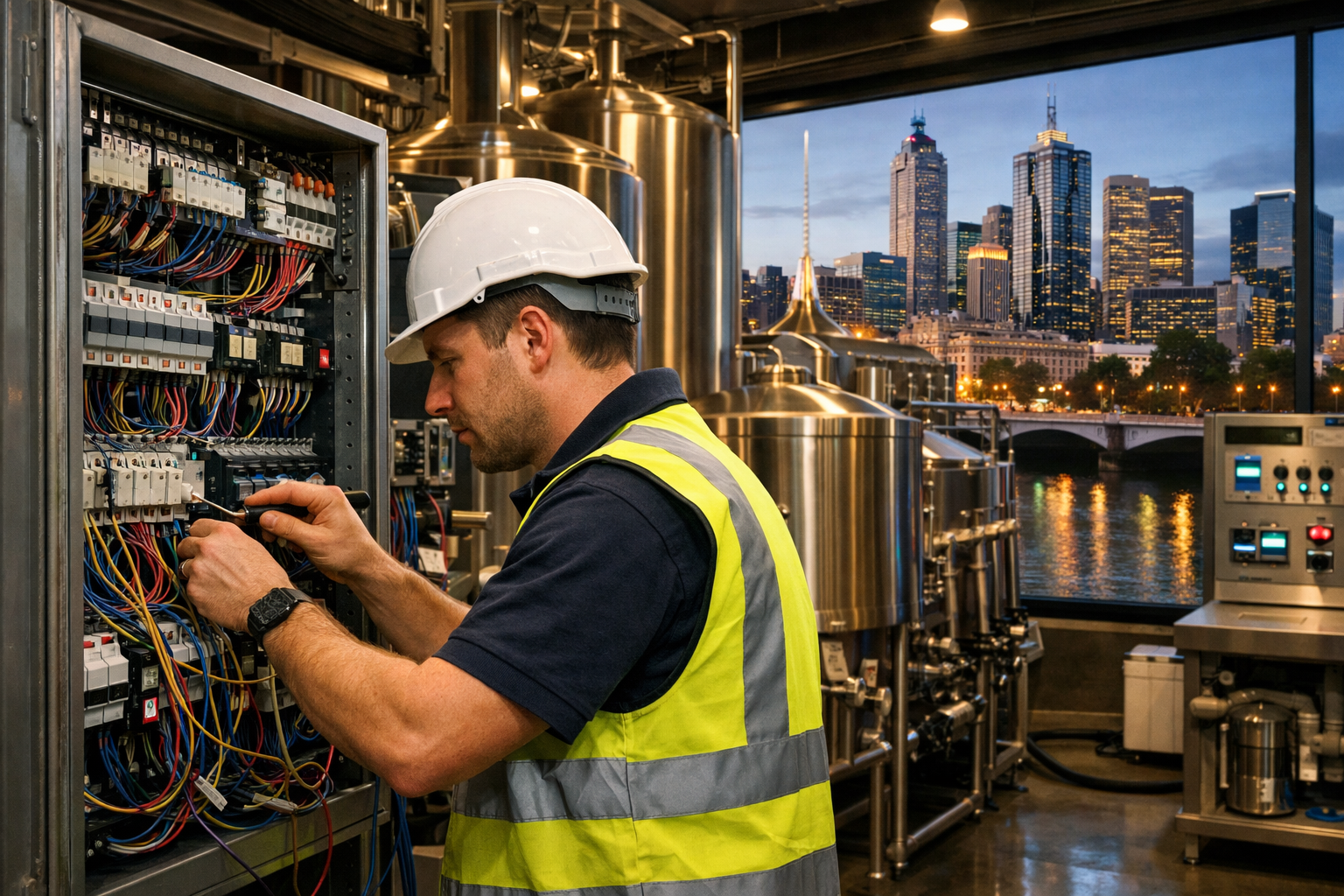
- Introduction: The Importance of Proper Electrical Installation for Breweries
- Understanding Brewery Electrical Systems
- Commercial Requirements and Local Codes in Melbourne
- Features and Benefits of Proper Brewery Electrical Installation
- Practical Tips on Finding the Right Commercial Electrician in Melbourne
- Preparation: How to Get Your Brewery Ready for Electrical Installation
- Brewery-Specific Electrical Considerations
- How to Work with Commercial Electricians: The Project Management Approach
- Upgrading and Maintaining Your Electrical Installation
- Case Study: A Successful Brewery Electrical Installation in Melbourne
- Practical Tips and Final Thoughts
- Conclusion
# Brewery Electrical Installation Melbourne: Commercial Requirements
Running a brewery in Melbourne is an exciting venture. From perfecting craft beers to creating a unique atmosphere for your patrons, every detail counts. Among the most crucial—but often overlooked—aspects is the electrical installation. A well-designed electrical system keeps the brewery running smoothly, protects your assets, and ensures the safety of both employees and customers. In today’s post, we’ll explore everything you need to know about brewery electrical installation in Melbourne. We’ll dive into the commercial requirements, local codes, and practical tips on finding the right commercial electrician. So, let’s raise a glass to electrical safety and excellence!
—
## Introduction: The Importance of Proper Electrical Installation for Breweries
Every brewery, whether newly established or long-running, relies on a dependable electrical system. Electrical systems power everything from brewing equipment and refrigeration units to lighting and emergency power systems. For business owners, ensuring compliance with local standards and regulations is not just about symbolism—it’s essential to avoid costly downtime, fines, or catastrophic failures.
In Melbourne, electrical installation isn’t just an engineering challenge. It’s a delicate balancing act between modern brewing equipment, stringent safety standards, commercial electrical upgrades, and the operational needs of your production facility. Understanding this landscape—and knowing where to find the right help—is key to maintaining production efficiency and maximizing your brewery’s potential.
This guide will provide:
- A comprehensive look at brewery electrical systems and commercial kitchen electrical requirements.
- Insights into selecting a skilled commercial electrician in Melbourne.
- Detailed information on commercial electrical contractor best practices and local electrical compliance in Victoria.
- Practical tips, features, and benefits that can help you make informed decisions for your brewery’s future.
## Understanding Brewery Electrical Systems
Brewery electrical systems are central to the operation of your manufacturing process. They are not merely wiring and panels; they are a sophisticated network that keeps your craft brewery running like a well-oiled machine. Here’s a closer look into why these systems are so critical:
### What Does a Brewery Electrical Installation Involve?
- Powering Brewing Equipment: Modern breweries employ several pieces of specialized equipment. This includes mash tuns, fermentation tanks, and automated brewing controls. Each piece of equipment has specific power requirements, from three phase power installations to electrical load calculations needed for handling heavy loads.
- Commercial Kitchen Electrical Setup: Many breweries also incorporate food-grade areas such as kitchens or bars. These sections require meticulous electrical planning to support commercial refrigeration, lighting installation, and other related appliances.
- Safety and Compliance: Electrical safety standards and compliance with Victoria’s regulations (electrical permits in Victoria, commercial electrical inspection, electrical testing certifications) are non-negotiable. A slight oversight can lead to significant danger or legal hassles.
### Components of Brewery Electrical Systems
Your brewery’s electrical system may include the following components:
- Electrical Distribution Boards and Panels: These are critical for routing power safely from the main supply to specific areas of the brewery.
- Transformer Installations: Step-down or step-up transformers are crucial for matching the voltage levels required by your equipment.
- Emergency Power Systems: Backup generators and emergency switchboard installations ensure your operations don’t come to a halt in case of a power outage.
- Brewery Control Systems: These systems automate processes essential for brewing, regulation of temperatures, and maintaining critical control points during production.
- Industrial Lighting Solutions: Proper lighting isn’t just for aesthetics; it’s vital for operational safety and efficiency in production areas.
—
## Commercial Requirements and Local Codes in Melbourne
When it comes to commercial electrical installations, Melbourne has some of the most rigorous electrical compliance standards in Australia. This is particularly true for facilities such as breweries, where adherence to electrical safety standards is critical.
### Key Local Regulations and Best Practices
- Electrical Compliance Victoria: All installations must adhere to the guidelines set by Energy Safe Victoria (ESV). Compliance ensures that all wiring, switchboards, and installations meet the necessary standards.
- Electrical Permits and Certifications: Any commercial installation requires permits before installation begins. It’s essential to engage with a trade qualified electrician who can handle the complex paperwork and ensure that your brewery electrical design meets statutory regulations.
- Hazardous Area Electrical Codes: Some areas in a brewery, such as those near certain chemicals or where vapours may be present, require hazardous area electrical certifications. Industrial electricians must install equipment using stainless steel electrical fittings and ensure that all wiring adheres to the strictest standards.
- Commercial Kitchen Electrical Regulations: For breweries with food-grade sections, codes demand extra precaution. This includes specific wire gauges, waterproof and heat-resistant fittings, and commercial refrigeration electrical systems that are safe and energy-efficient.
- Emergency Systems and Load Calculations: Proper load calculations and emergency power system setups are not only beneficial for continuity but also a regulatory requirement in commercial-grade installations.
### The Benefits of Adhering to Local Codes
- Safety for Employees and Customers: A compliant system minimizes the risk of electrical hazards such as shocks and fires.
- Operational Efficiency: Correct load calculations and well-designed electrical layouts can improve equipment reliability and reduce downtime.
- Regulatory Peace of Mind: Working with a certified commercial electrician who ensures that all installations meet local regulations protects you legally and financially.
- Reduced Insurance Premiums: Many insurance premiums are lower for properties with certified electrical systems because they pose less risk.
—
## Features and Benefits of Proper Brewery Electrical Installation
Ensuring a reliable and compliant electrical installation in your brewery isn’t simply an aesthetic endeavor—it offers functional benefits that translate directly into your business performance.
### Feature 1: Customized Electrical Design
A tailored electrical design accounts for your brewery’s unique needs, from the brewhouse to the packaging area.
- Benefit: The design maximizes energy efficiency and minimizes the risk of overloads, ensuring that every piece of machinery gets the power it needs without risking system burnout.
### Feature 2: Three Phase Power Installation
Industrial brewing equipment often demands robust power solutions. Three phase power installations ensure a steady and reliable supply.
- Benefit: With three phase power, you experience improved efficiency and lower chances of equipment failure, reducing costly downtime in your production process.
### Feature 3: Comprehensive Electrical Load Calculations
Accurate load calculations are essential to determine how much power your brewery needs and where to allocate resources.
- Benefit: Proper load calculations can prevent system overloads, thereby extending the operational life of your equipment while ensuring that it’s not overburdened.
### Feature 4: Emergency Power Systems
Investing in emergency systems such as backup generators and circuit breakers is essential for business continuity.
- Benefit: These systems maintain operations during a blackout or electrical fault, safeguarding your production schedules and protecting critical operations like refrigeration and control systems.
### Feature 5: Advanced Control and Automation Systems
Modern electrical installations often integrate advanced control systems that streamline monitoring and management.
- Benefit: Real-time monitoring and automated alerts enhance safety and operational control, making it easier to detect potential issues before they become major problems.
## Practical Tips on Finding the Right Commercial Electrician in Melbourne
Hiring the right commercial electrician is perhaps the most critical decision to ensure your brewery electrical installation meets your needs. Here are some practical tips for finding the best professional for the job:
### Look for Industrial Electrician Services with Specific Brewery Experience
- Experience Matters: Seek out professionals who have experience with brewery electrical systems, commercial brewing equipment, and industrial electrical installations.
- Recommendation Check: Ask fellow brewery owners or industry associations for referrals. Positive recommendations often lead to tried and tested services.
- Portfolio Review: Request case studies or project portfolios demonstrating successful installations in similar facilities.
### Verify Certifications and Licenses
- Trade Qualified Electrician: Ensure that the company employs trade qualified electricians and that they hold the necessary certifications for commercial electrical compliance.
- Electrical Testing Certification: Check for valid electrical testing certifications to confirm that they can handle the necessary safety checks and rigorous compliance inspections.
- Local Accreditation: In Melbourne, look for companies with a track record of working with Energy Safe Victoria to ensure all work adheres to local regulations.
### Assess the Scope of Their Services
- Project Management: A good commercial electrical contractor offers project management services. This ensures that the project stays on schedule and meets both design specifications and local regulations.
- Full-Service Capability: Choose companies that offer comprehensive services—from initial design, electrical load calculations, system installation, and final compliance checks—to post-installation maintenance.
- Emergency Support: Evaluate whether the electrician provides robust post-installation support and emergency repairs if unforeseen issues arise.
### Get Detailed Quotes and Compare
- Fixed vs. Estimated Costs: Ensure you receive detailed quotations that outline every aspect of the project. Avoid quotes with vague pricing that might later lead to surprises.
- Warranty and Maintenance: Confirm if the contractor provides a warranty for their workmanship and the installed components, and whether they offer scheduled maintenance to ensure ongoing electrical safety.
### Communication and Flexibility
- Project Flexibility: Working with a contractor who understands that brewery operations may need to be flexible is essential. They should be able to plan installations with minimal disruption.
- Clear Communication: The ideal electrician is not only technically proficient but also able to explain the process in plain language. Establish criteria for communication modalities—such as regular project updates, progress reports, and consultation sessions.
—
## Preparation: How to Get Your Brewery Ready for Electrical Installation
Before your commercial electrician begins work, a little preparation goes a long way. Here are some practical steps to ensure a smooth, efficient installation process:
### Step 1: Schedule a Thorough Site Assessment
- Existing Structures and Layout: Have a clear understanding of your current electrical setup and how the new installation can be integrated.
- Utility Location: Identify where power feeds, emergency systems, and communications cables meet their entry points into the building.
- Load Requirements: Work with a professional to evaluate the existing load requirements and plan for increased demand as your brewery expands.
### Step 2: Review Your Brewery’s Production Schedule
- Downtime Minimization: Plan installations during periods of lower activity to avoid interfering with production.
- Temporary Power Solutions: Consider temporary power solutions to keep critical processes running while major electrical work is being carried out.
### Step 3: Collaboration with Key Stakeholders
- Management and Engineers: Make sure that your facility managers, production engineers, and safety officers are in the loop during the planning stages. Their insights can help streamline installation and ensure all operational needs are met.
- Local Authorities: Engage with local electrical compliance authorities or Energy Safe Victoria early in the process to confirm necessary permits and inspection timelines.
### Step 4: Define Your Future Expansion Plans
- Scalability: If you are planning to expand, ensure that your electrical installation can scale with additional brewing equipment, refrigeration systems, and automation controls.
- Future Technologies: Consider partnering with an industrial electrician who is well-versed in emerging technologies and can future-proof your installation design.
### Step 5: Organize Documentation
- Blueprints and Schematics: Prepare detailed blueprints of your facility including all zones where electrical installations will occur.
- Compliance Records: Have your current compliance records ready to show your new contractor, which helps them tailor the installation to your exact needs.
- Budget Allocations: Sharing your budget details early on can help the electrician design a system that balances functionality with financial prudence.
—
## Brewery-Specific Electrical Considerations
Breweries have some unique requirements that set them apart from other commercial establishments. Knowing these specifics can help you work closely with your chosen electrician for a more targeted installation.
### Craft Brewery Wiring and Equipment Needs
Craft breweries often have specialized wiring needs because of the diverse types of equipment:
- Brewing Equipment Integration: From mash tun controls to fermentation tank sensors, every piece of equipment could have its own electrical profile. A professional will ensure that each is seamlessly integrated into the overall electrical network.
- Automation and Control Systems: Automated brewing systems reduce human error. As a result, the wiring for these control systems must be precise, organized, and secure. This not only improves efficiency but also assists in troubleshooting.
- Industrial Power Solutions: Often, breweries will require industrial power solutions for heavy machinery. These installations use three phase power installations, ensuring reliable operation even during peak usage.
### Commercial Refrigeration Electrical and Food-Grade Systems
Food safety is paramount in any environment handling consumables:
- Refrigeration Systems: Commercial refrigeration electrical installations require specialized connectors and circuits that can handle high loads. These systems benefit from robust wiring layouts as recommended by local regulations.
- Food-Grade Electrical Systems: In areas where food is prepared or stored, the electrical components are usually rated for food-grade applications. This means that the risk of contamination is reduced, and the system adheres to strict hygiene standards.
- Stainless Steel Electrical Fittings: These fittings are not only corrosion-resistant but also meet the rigorous demands of food-grade environments.
### Emergency and Safety Systems
Brewery operations can be high-risk environments if proper safety measures aren’t in place:
- Emergency Power Systems: Backup generators and smart switchboards ensure that critical systems—like refrigeration during power outages—function seamlessly.
- Electrical Safety Standards: Frequent safety checks, proper maintenance of electrical panels, and regular inspections are essential. A certified commercial electrician will schedule periodic inspections and perform electrical audits to ensure ongoing safety.
- Regular Testing and Certification: Local regulations require periodic electrical testing certification so that all systems meet current safety standards, minimizing the risk of accidents.
—
## How to Work with Commercial Electricians: The Project Management Approach
Once you’ve identified a trusted commercial electrician in Melbourne, working together seamlessly is the next step. Project management is crucial to ensure the electrical installation meets both functional and regulatory requirements.
### Communicate Your Vision and Requirements
- Clear Briefing: Start by sharing your detailed vision for the brewery’s electrical layout. Discuss your operational requirements, from production areas to food-grade zones.
- Site Walkthrough: A physical walkthrough of your facility helps the electrician better understand the layout. It allows both parties to pinpoint potential complications.
- Scheduled Meetings: Regular meetings throughout the planning and installation phases can address any emerging issues before they escalate.
### Outline a Detailed Project Plan
- Timelines: Work with your electrician to define realistic timelines. Align them with your production schedule to minimize downtime.
- Milestones and Deliverables: Set clear milestones (such as finalizing designs, beginning installation, and completion of inspections) and require sign-offs at each stage.
- Budget Tracking: Establish how changes in design or unexpected costs will be managed. Transparency in budgeting helps maintain trust and smooth progress.
### Quality Assurance and Final Inspection
- Compliance Documentation: Ensure that the project delivers all necessary compliance documentation. This includes electrical permits, inspection certificates, and certified load calculations.
- Final Walkthrough: Conduct a final walkthrough of the installed systems. Confirm that automated alerts, emergency systems, and control panels have been tested and that everything operates to expectations.
- Ongoing Relationship: Establish a maintenance schedule or contract that provides ongoing support and troubleshooting. Regular electrical audits and upgrades are part of a long-term strategy to safeguard your investment.
—
## Upgrading and Maintaining Your Electrical Installation
Once the installation is complete, the process does not stop there. Regular maintenance and potential upgrades are a part of ensuring long-term success.
### Regular Maintenance Checks
- Periodic Inspections: Schedule regular inspections with your commercial electrician. These include visual check-ups, electrical testing, and load recalculations.
- System Audits: Perform comprehensive electrical audits at least once a year, ensuring all systems are compliant with the latest regulations.
- Preventive Maintenance: Investing in preventive maintenance helps identify minor issues before they become major problems, saving you money and preventing downtime.
### Upgrades for Future Expansion
- Future-Proofing: As your brewery grows, your electrical needs may change. A flexible design allows for additional circuits, new equipment installations, or even integration of renewable energy sources.
- Scalable Solutions: Consider installing modular panels and transformer solutions that can be easily upgraded. This approach minimizes the need for a complete overhaul when expanding your production facilities.
- Embracing Technology: Look at incorporating smart control systems or IoT-enabled components that allow remote monitoring of energy consumption and system performance.
—
## Case Study: A Successful Brewery Electrical Installation in Melbourne
Let’s bring all these concepts together with a real-world example from within Melbourne’s vibrant brewing community.
Imagine “Melbourne Craft Brews,” a small but rapidly growing brewery. They needed an electrical upgrade that could support both their brewing systems and a newly planned commercial kitchen for on-site food service.
### The Challenge
- The existing electrical layout was outdated, using single phase power which was insufficient for the industrial-grade equipment.
- They needed a design that met strict commercial electrical compliance in Victoria.
- The plan required installation of three phase power, modern emergency systems, and integration of automated brewing controls.
### The Solution Deployed
The brewery partnered with a reputable commercial electrical contractor in Melbourne. Here’s what was accomplished:
- Custom Electrical Design: A team of licensed industrial electricians performed a detailed site assessment, then designed a bespoke electrical system tailored to the brewery’s exact needs.
- Three Phase Power Installation: Upgraded the power supply to include three phase power that handled heavy loads seamlessly.
- Modern Emergency Systems: Installations included a backup generator that integrated with the brewery’s control systems.
- Compliance and Safety: The system was fully compliant with Energy Safe Victoria standards, and all modifications came with proper inspections and electrical testing certifications.
### The Outcome
- Increased Efficiency: The brewery experienced consistent improvement in operational efficiency, with minimal downtime.
- Regulatory Compliance: With certification from Energy Safe Victoria, they avoided potential legal pitfalls.
- Long-Term Savings: The upgraded system led to better energy management and opened the door for future expansions.
- Enhanced Collaboration: A closely managed project and clear communication between the brewery owners and the electrician built a lasting professional relationship that ensured smooth additional upgrades in the future.
—
## Practical Tips and Final Thoughts
To wrap up, here are some summarized practical tips for small business owners in Melbourne who are considering brewery electrical installation:
- Prioritize Safety and Compliance: Always ensure that the manufacturer or contractor adheres to the local electrical safety standards and that you have all necessary permits in place.
- Select the Right Commercial Electrician: Look for professionals with specific experience in industrial electrical installation and brewery fit out electrical. Verify with local accreditation bodies and check references.
- Plan Ahead: Conduct thorough site assessments and align electrical work with your production schedule to minimize disruptions. Ensure that your electrical layout can scale for future expansion.
- Invest in Quality Equipment: Using industrial-grade electrical panels, transformers, and emergency systems may seem expensive initially but can save money in the long run by preventing costly malfunctions.
- Understand Your Electrical Load: Don’t skimp on professional electrical load calculations and testing certification—they’re essential to prevent overloads and ensure your brewing process runs smoothly.
- Maintain Open Communication: Establish clear deadlines and update mechanisms with your contractor. Regular site visits during installation can provide peace of mind.
- Plan for Future Upgrades: Keep an eye on new industrial electrical testing innovations and emerging brewing automation systems that could further streamline operations.
By following these steps, you’re setting your brewery up for long-term success, innovation, and safety.
—
## Conclusion
Brewery electrical installation in Melbourne is a crucial component that can determine the operational success and safety of your business. With complex brewery electrical systems and ever-lively commercial electrical requirements, choosing the right installation partner is paramount. A well-designed system, complete with three phase power installation, load calculations, and advanced control systems, supports your production efficiency, keeps your brewery compliant with Victoria’s stringent codes, and ensures a safe work environment.
For small business owners in Melbourne looking to boost their brewery’s operational performance, working with a licensed commercial electrician who understands the nuances of industrial electrical installations is key. Whether you’re setting up new brewing equipment or upgrading your existing systems, taking a proactive approach to electrical management can save you money in the long term and keep your operations running smoothly.
Invest in a commercial electrical contractor who values safety as much as functionality and can help you navigate the maze of electrical permits, trade qualifications, and technical specifications. With expert guidance, proactive maintenance, and strategic planning, your brewery can continue to thrive in one of Australia’s most dynamic craft brewing scenes.
So, raise your glass to a future where every jug of beer is backed by a robust, safe, and efficient electrical installation. Cheers to innovation, safety, and making Melbourne’s craft beer scene even more electrifying!
By implementing these insights and best practices, you can ensure your brewery remains not only a hub of fantastic brews but also a model of safety and efficiency. Remember, your electrical system is the backbone of your operations—choose wisely, maintain diligently, and your business will continue pioneering Melbourne’s vibrant brewing industry.
If you have any questions or need further assistance on your electrical installation journey, feel free to reach out. We’re here to help you blend modern technology and age-old craft beer traditions into a seamless, electrified masterpiece!
This comprehensive guide provides everything you need in 2500–3000 words to ensure that your brewery electrical installation meets current commercial requirements, local codes, and future ambitions. Here’s to safe, efficient, and inspiring brewing in Melbourne!

0 Comments