Table of Contents
- Why Warehouse Lighting Matters for Business Owners
- Understanding Warehouse Lighting Solutions
- Features and Benefits of Modern Warehouse Lighting
- Local Practices, Codes, and Regulations in Melbourne
- Practical Tips for Selecting the Right Commercial Electrician
- Step-by-Step Guide to Preparing for a Warehouse Lighting Upgrade
- The Future of Industrial Lighting in Melbourne
- Real-Life Success Stories
- Frequently Asked Questions About Warehouse Lighting in Melbourne
- Final Thoughts: Lighting Your Way to Industrial Efficiency
- Summary Checklist: Steps to a Successful Warehouse Lighting Upgrade
- Conclusion
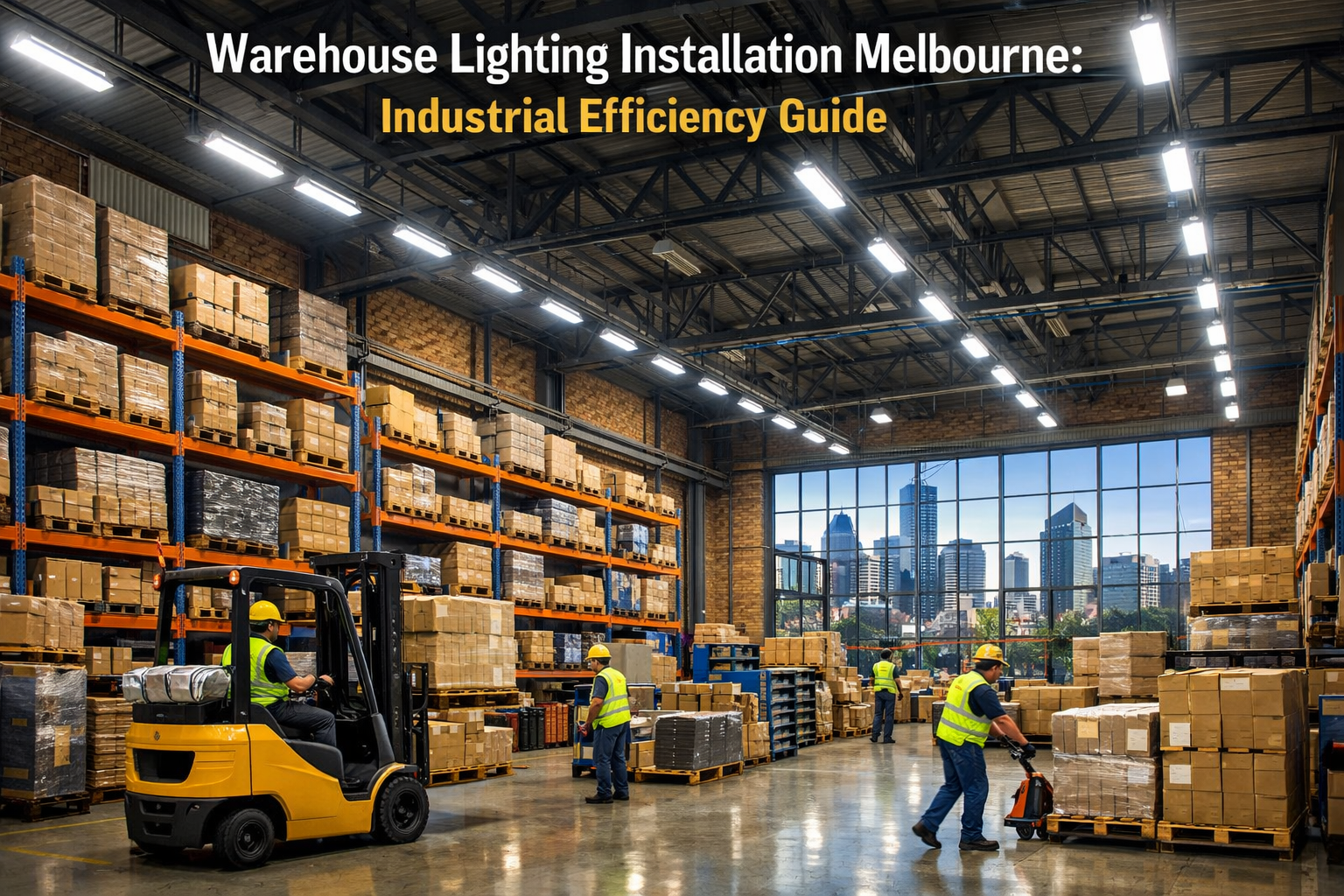
# Warehouse Lighting Installation Melbourne: Industrial Efficiency Guide
Finding the right lighting solution for your warehouse can be a game-changer for your business. Whether you’re running a bustling distribution center or a quiet storage facility, the way your warehouse is lit dramatically influences safety, productivity, and energy efficiency. In Melbourne, commercial and industrial properties have increasingly adopted modern lighting solutions to maximize power efficiency while complying with strict local safety standards. In this comprehensive guide, we’ll take a deep dive into warehouse lighting solutions, explain how LED lighting and other innovations can improve your facility, and offer practical tips to help you find the perfect commercial electrician in Melbourne for your installation.
In this guide, you’ll learn:
- Why effective warehouse illumination is critical to your business operations
- The benefits of upgrading to energy efficient LED warehouse lights and high bay lighting
- How to navigate local codes and regulations in Melbourne
- Practical tips for selecting an industrial lighting contractor
- Features and benefits of different commercial lighting upgrade solutions
Let’s get started on a journey to transform your warehouse lighting and boost overall industrial efficiency.
Why Warehouse Lighting Matters for Business Owners
Your warehouse isn’t just a storage space—it’s the heart of your industrial operations. Good lighting is essential for:
- Employee Safety: Adequate lighting reduces the risk of accidents by ensuring that areas are well-illuminated, especially in high ceiling areas or places with many obstacles.
- Productivity: Bright workspaces mean fewer errors and improved accuracy in tasks, whether you’re performing inventory checks, packaging, or operating heavy machinery.
- Energy Efficiency: Modern LED and motion sensor systems help cut down on electricity consumption, lowering operational costs and supporting environmental sustainability.
- Compliance and Regulations: Adhering to strict industry standards and local codes isn’t just about avoiding fines—it’s about creating a compliant and safe workspace for your staff.
For small business owners in Melbourne, these benefits are critical. With rapidly changing technology and increasing energy costs, ensuring your warehouse lighting is both modern and efficient is a practical investment that can yield immediate returns.
Understanding Warehouse Lighting Solutions
Warehouse lighting solutions encompass a range of technological advancements designed to improve safety, efficiency, and cost savings. Let’s explore the components and types of industrial lighting typically used in Melbourne warehouses.
1. LED Warehouse Lights
LED lighting has revolutionized commercial and industrial spaces over the last decade. Here’s why LED warehouse lights are a popular choice:
- Energy Efficiency: LEDs consume much less electricity compared to traditional fluorescent or incandescent lighting.
- Longevity: They typically last 50,000 hours or more, reducing maintenance and replacement costs.
- Superior Illumination: LEDs provide bright, even lighting that helps reduce dark spots and shadows. This is essential for precision operations and reducing employee fatigue.
2. High Bay Lighting
High bay lighting is often used in spaces with ceilings that exceed 20 feet. Features include:
- High Intensity & Uniformity: Specifically designed for large areas, these lights deliver superior illumination over vast spaces.
- Durability: High bay LED fixtures are built to handle extreme conditions, making them well-suited for industrial environments.
- Energy Savings: With improved lumen output per watt, high bay lighting offers significant long-term operational savings.
3. Motion Sensor and Dimmed Lighting
Implementing motion sensor lighting can further optimize energy usage:
- Motion Sensors: These systems automatically turn off or dim lights in unoccupied areas, saving energy and reducing operating costs.
- Adaptive Controls: Some commercial LED systems enable dimming and color temperature adjustments to suit different operational needs through the day.
4. Emergency & Safety Lighting
A warehouse isn’t safe if your workers aren’t able to quickly exit or navigate during an emergency. Emergency lighting features include:
- Battery Backup: Ensuring that exit routes and critical areas are well-covered during power outages.
- Compliance: Emergency lighting must meet national and Melbourne-specific regulations to provide adequate safety measures.
Features and Benefits of Modern Warehouse Lighting
Modern warehouse lighting isn’t just about brightness; it’s a multifaceted solution tailored to enhance every aspect of industrial operations.
Increased Productivity and Efficiency
- Enhanced Visibility: Bright, even lighting minimizes shadows and improves visibility, reducing errors in picking or manual inspections.
- Reduced Fatigue: A well-lit environment can help lower eye strain and prevent accidents, allowing workers to perform tasks more efficiently.
- Time Savings: With motion sensor and automatic dimming features, lights are only on when needed, optimizing energy consumption and workflow.
Operational Cost Savings
- Energy Savings: Switching to LED lighting can reduce your energy bills by as much as 50–70% compared to traditional lighting systems.
- Low Maintenance: With longer lifespans than conventional bulbs, fewer replacements mean smaller maintenance budgets and reduced downtime.
- Tax Incentives & Rebates: In many cases, government incentives for energy-efficient upgrades can offset installation costs.
Enhanced Safety and Compliance
- Workplace Safety: Bright, consistent lighting is critical for ensuring the safety of workers, particularly in high-risk environments.
- Regulatory Compliance: Comply with local electrical standards and safety guidelines that mandate proper illumination levels in industrial settings.
- Emergency Preparedness: Adequate emergency lighting ensures safe evacuation during situations like power outages or fires.
Environmental Impact
- Energy Efficiency: Lower energy consumption means reduced greenhouse gas emissions, contributing to your business’s sustainability goals.
- Reduced Carbon Footprint: Modern LED lighting, when paired with solar or other renewable energy sources, can create a greener operational environment.
Versatility and Customization
- Tailored Solutions: Whether you need specific task lighting for inventory management or ambient lighting for overall illumination, modern lighting systems offer customizable options.
- Smart Integration: Many systems can be integrated with digital building management systems (BMS) for real-time monitoring and control.
Local Practices, Codes, and Regulations in Melbourne
When planning a warehouse lighting installation in Melbourne, it’s crucial to understand the local electrical and safety standards that govern industrial lighting.
Australian Standards for Industrial Lighting
- AS/NZS 1680: This series of standards covers interior and exterior lighting for buildings and ensures that lighting designs provide adequate illumination while being energy efficient.
- AS/NZS 2293: Focuses on emergency exit lighting and related safety measures to ensure that in the event of an emergency, pathways are clearly marked.
- Victorian WorkSafe (WHS Regulations): Maintaining an environment with optimal lighting is necessary to ensure worker safety and avoids potential liability issues.
Building Codes and Permit Requirements
- Local Council Regulations: Melbourne’s local councils have their own set of building codes that may necessitate specific permits for large-scale commercial electrical installations.
- Electrical Safety Compliance: All installations must be carried out or supervised by a licensed commercial electrician in Melbourne to ensure adherence to electrical safety standards.
- Environmental Certifications: Energy-efficient upgrades could qualify your business for local sustainability certifications and rebates from government programs, so be sure to explore those benefits.
Best Practices for Warehouse Lighting Installation
- Pre-Installation Evaluation: Conduct a thorough assessment of your current lighting setup to identify dark spots, overloaded circuits, or inefficient areas.
- Professional Consultation: Engage a licensed commercial electrician in Melbourne to advise on the best lighting design and installation practices tailored to your facility.
- Regular Maintenance: Schedule routine inspections and maintenance to ensure that both LED and emergency systems are functioning at peak performance.
- Integration with Building Management Systems (BMS): Modern lighting systems often integrate seamlessly with BMS, allowing for centralized control and monitoring.
Practical Tips for Selecting the Right Commercial Electrician
Finding the right commercial electrician is as important as choosing the right lighting. Here are some tips to guide you through the process:
1. Verify Licensing and Certifications
- Licensing Validity: Ensure that the electrician is licensed under Victorian regulations and that their certifications are up-to-date.
- Specialized Experience: Look for an electrician with extensive experience in industrial and commercial lighting installations, particularly in warehouse environments.
- Insurance Coverage: Confirm that the contractor holds valid insurance coverage to protect your business in case of unforeseen incidents during installation.
2. Request Detailed Quotes
- Transparent Pricing: Ask for detailed quotes that outline the cost of materials, labor, and any additional services such as maintenance.
- Comparative Analysis: Don’t just settle with the first quote; compare at least three different proposals to understand the going market rate in Melbourne.
- Project Timeline: Understand the project timeline and milestones, ensuring that the installation will cause minimal disruption to your operations.
3. Check References and Reviews
- Client Testimonials: Look for reviews or testimonials from other industrial or commercial businesses. Positive feedback regarding professionalism, adherence to schedules, and quality of work is a strong indicator of reliability.
- Portfolio of Work: Request examples of previous warehouse lighting installations. Actual case studies or pictures from similar projects can help confirm the contractor’s expertise.
4. Evaluate Their Approach to Energy Efficiency
- Innovative Solutions: Ask if they offer cost-saving energy efficient systems such as LED warehouse lights, motion sensor lighting, or advanced lighting management systems.
- Sustainability Practices: Choose a contractor who understands the latest trends in sustainable, greener industrial lighting solutions and can provide advice on potential energy savings.
5. Discuss Warranty and After-Sales Support
- Warranty Coverage: Ensure that both the lighting fixtures and the installation work come with a comprehensive warranty.
- Maintenance and Support: Post-installation support is crucial. Confirm that the electrician offers maintenance services and a prompt response system for any future issues.
Step-by-Step Guide to Preparing for a Warehouse Lighting Upgrade
Upgrading your warehouse lighting is a significant project that requires careful planning. Here’s a practical step-by-step guide to prepare your facility for an installation that maximizes both safety and efficiency:
Step 1: Conduct a Site Audit
- Assessment of Current Lighting: Work with a commercial electrician to evaluate your existing lighting infrastructure. Identify areas with insufficient lighting, glare issues, or outdated fixtures.
- Energy Audit: Analyze your current energy consumption related to lighting. This will help in determining the potential cost savings of an LED retrofit or a full lighting upgrade.
Step 2: Define Your Goals
- Performance Requirements: Determine the required illumination levels for different areas—such as loading docks, storage aisles, and admin spaces.
- Budgetary Considerations: Establish a clear budget for the project, taking into account not only the initial installation but also long-term energy savings and maintenance costs.
- Compliance Objectives: Ensure that your goals include meeting or exceeding local safety and building codes. This might include lighting efficiency, emergency exit lighting, and ambient illumination standards.
Step 3: Create a Lighting Design Blueprint
- Layout Plans: Work with your electrician to create a detailed layout for fixture placement. A professionally designed lighting plan can help eliminate dark spots and redundant energy consumption.
- Lighting Controls: Consider the integration of smart controls, such as timers, dimmers, and motion sensors. These systems can be integrated via a central management system for improved control.
- Safety and Backup Systems: Ensure that the design includes backup solutions such as emergency lights powered by batteries or generators in case of outages.
Step 4: Prepare Your Warehouse Space
- Declutter Work Areas: Remove any obstacles that could interfere with the installation process. Organize your storage areas to allow easy access to ceilings and electrical panels.
- Coordinate with Staff: Inform your employees about the upcoming changes. A well-prepared team can help facilitate the installation process and may need to be relocated temporarily during certain phases of the work.
- Schedule Downtime: If feasible, plan the lighting installation during off-peak hours to minimize the impact on your daily operations.
Step 5: Finalize the Contract and Project Timeline
- Agreement Review: Ensure that the contract details every aspect of the work, including wiring upgrades if necessary, fixture quality, warranties, and after-sales service.
- Milestone Setting: Establish clear milestones with your contractor for inspections, testing, and final performance verification of the lighting system.
- Post-Installation Plan: Make arrangements for a post-installation review and training for your maintenance staff, ensuring they understand the functionality and upkeep of the new system.
The Future of Industrial Lighting in Melbourne
As technology continues to evolve, the future of industrial lighting looks bright—literally. Here’s what you can expect moving forward and how you can position your business to be ahead of the curve:
Trends in Warehouse Lighting Technology
- Integration with IoT: Smart lighting systems that integrate with the Internet of Things are becoming more prevalent. This allows for real-time monitoring, predictive maintenance, and tailored lighting controls that adjust based on occupancy and natural light levels.
- Enhanced LED Technology: Continued improvements in LED efficiency mean even lower energy consumption and brighter, more uniform light. Expect new fixtures with improved heat dissipation, reducing the risk of overheating and increasing lifespan.
- Automated Systems: Automation is not just for manufacturing—lighting systems that automatically adjust intensity based on tasks or time of day are increasingly common. This integration provides additional savings on both energy and labor.
- Sustainability Initiatives: Environmental sustainability remains a key driver, with more businesses investing in green technologies. Upgrades that reduce carbon footprints can also enhance your company’s public image and even contribute to achieving certifications like Green Star.
How to Stay Ahead
- Regular Technology Reviews: Set up annual consultations with your commercial electrician to review the latest advances in warehouse lighting solutions.
- Invest in Training: Ensure that your facility managers are aware of emerging trends and know how to optimize new systems for maximum efficiency.
- Feedback Loop: Gather feedback from employees to make additional improvements in illumination or functionality as needed. Employee input is invaluable in assessing what works best on the ground.
Real-Life Success Stories
Consider the case of a Melbourne-based distribution center that recently overhauled its warehouse lighting. Facing high electricity bills and frequent maintenance disruptions with their old fluorescent systems, the management decided to upgrade to LED high bay lights with integrated motion sensors. The results were impressive:
- A 60% reduction in energy consumption
- Fewer maintenance interruptions, leading to increased productivity
- Consistent illumination even in the facility’s most challenging corners
- Enhanced safety and compliance with local regulations
This real-world example underscores how investing in modern industrial lighting solutions not only saves money but also creates a safer and more efficient work environment.
Frequently Asked Questions About Warehouse Lighting in Melbourne
Here are some common questions small business owners in Melbourne might have:
Q: Why should I invest in LED warehouse lights instead of traditional bulbs?
A: LED lights offer greater energy efficiency, longer lifespan, and provide better illumination quality. They also lower long-term maintenance costs and reduce your overall energy footprint.
Q: What local regulations should I consider when installing new lighting?
A: Aside from adhering to AS/NZS 1680 and AS/NZS 2293 standards, ensure your installation meets all Workplace Health and Safety (WHS) regulations specific to Victoria. Consulting with a licensed commercial electrician familiar with Melbourne’s local codes is essential.
Q: How do motion sensor systems add to efficiency?
A: Motion sensors detect occupancy in real-time, automatically dimming or turning off lights in unused areas. This not only saves energy but also extends the life of your lighting fixtures.
Q: Can modern lighting systems integrate with existing building management systems?
A: Yes! Many industrial LED systems are designed to be compatible with current BMS and can be controlled and monitored centrally for optimal performance.
Final Thoughts: Lighting Your Way to Industrial Efficiency
Upgrading your warehouse lighting in Melbourne isn’t just about installing new fixtures—it’s about transforming your workspace into a safer, more efficient, and sustainable environment. The transition to modern LED and high bay lighting solutions brings tangible benefits: reduced operational costs, enhanced safety, and a future-ready facility ready to meet the challenges of tomorrow’s industrial landscape.
For small business owners, ensuring that your facility is compliant with local codes and ready to adopt cutting-edge technology is an investment that pays dividends in employee productivity, cost savings, and overall workplace satisfaction. By following the guidelines and tips outlined in this guide, you can confidently tackle your warehouse lighting installation project and work with skilled commercial electricians who understand the unique needs of industrial Melbourne.
If you’re ready to transform your warehouse, consider reaching out to a trusted commercial electrician in Melbourne who specializes in industrial lighting solutions. With the right expertise and a clear plan, you’ll be on your way to achieving an energy efficient, beautifully lit, and fully compliant workspace.
Remember, effective warehouse illumination isn’t just about lighting up a space—it’s about lighting the way to innovation, cost savings, and industrial excellence. Let your journey towards enhanced warehouse efficiency begin today!
Summary Checklist: Steps to a Successful Warehouse Lighting Upgrade
- [x] Conduct a comprehensive site audit and energy evaluation
- [x] Define performance, budgetary, and compliance goals
- [x] Collaborate with experienced Melbourne commercial electricians
- [x] Plan and design your layout, including LED high bay and motion sensor options
- [x] Prepare the warehouse space and schedule the installation during off-peak hours
- [x] Verify all local safety and electrical installation codes (AS/NZS and WHS)
- [x] Compare detailed quotes and check for proper licensing, insurance, and warranties
- [x] Embrace smart, integrated lighting solutions for future scalability
- [x] Schedule post-installation evaluations and training for ongoing maintenance
Taking these steps will not only ensure your installation meets regulatory standards but will also optimize your facility for safety, energy efficiency, and long-term success.
Conclusion
Modernizing your warehouse lighting is one of the most effective upgrades you can make to your Melbourne business. With advanced LED technology, smart controls, and precise installation by skilled electrical contractors, you’re not only investing in more efficient operations but also ensuring a safer, more compliant, and productive industrial workspace.
Whether you’re considering a full commercial lighting upgrade or a targeted retrofit like LED high bay installation, this guide offers a solid foundation for understanding every step—from planning and budgeting to installation and ongoing maintenance. By embracing these best practices, you’ll empower your business to operate more efficiently, reduce costs dramatically, and provide a better working environment for your team.
Now that you’re armed with the essential insights into warehouse lighting in Melbourne, it’s time to act. Reach out to a specialist commercial electrician to discuss your unique needs, request a tailored quote, and take the first step towards an illuminated, efficient, and future-ready industrial facility.
Feel free to share this guide with other business owners facing similar challenges, and let’s shine a light on industrial efficiency across Melbourne. For any further questions or personalized consultations, get in touch with a trusted commercial electrician who knows the local landscape and can help you every step of the way. Happy upgrading!
0 Comments