Table of Contents
- Why Backup Power Matters for Your Business
- Understanding Commercial Generator Regulations in Melbourne
- How to Achieve and Maintain Compliance
- Features and Benefits of Compliant Backup Power Systems
- Practical Tips for Finding a Commercial Electrician in Melbourne
- Best Practices for Preparation and Ongoing Compliance
- Local Insights: Regulations, Codes, and Best Practices in Melbourne
- Case Studies: Success Stories in Generator Compliance
- Overcoming Common Challenges
- Final Thoughts and Next Steps
- Additional Resources
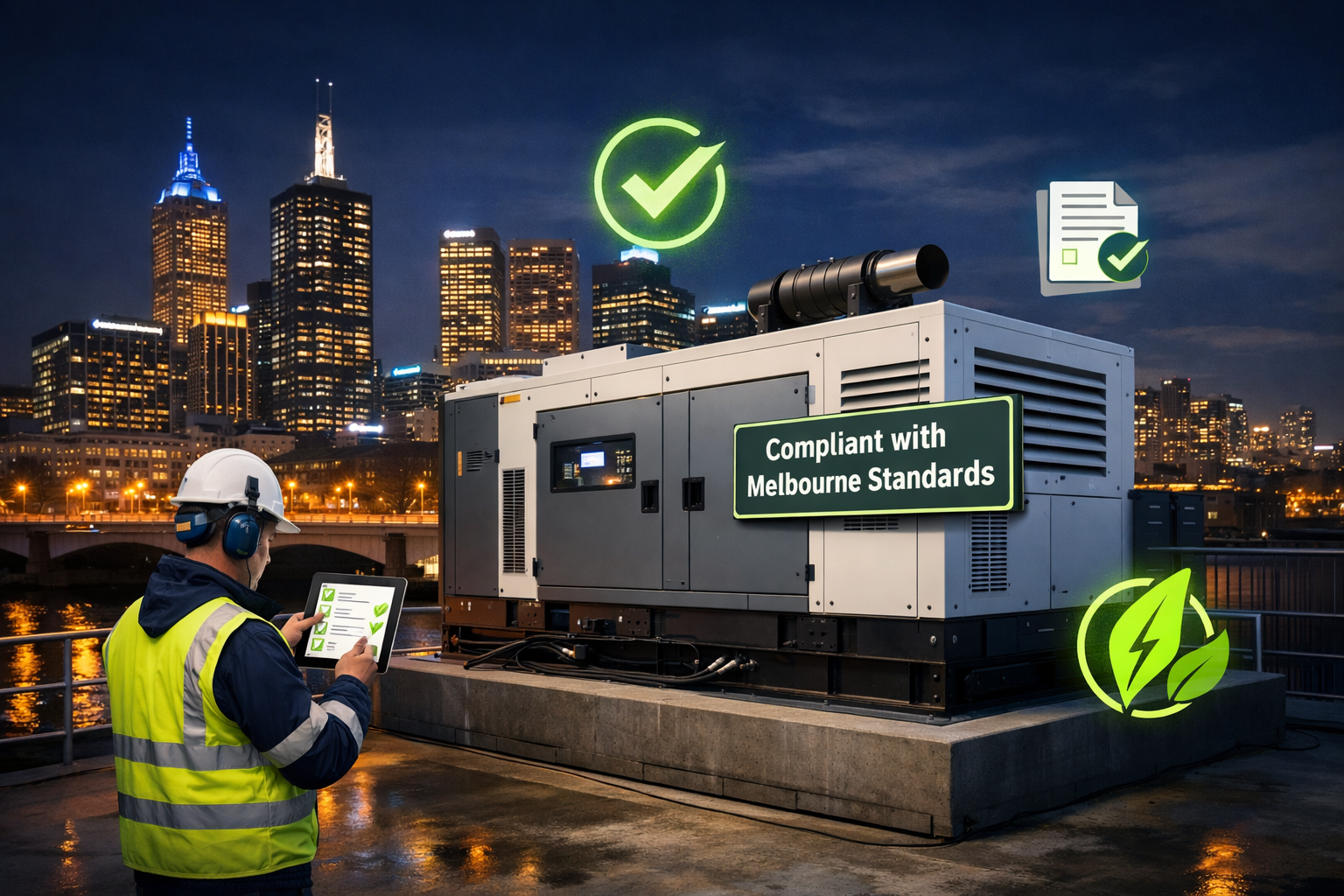
Running a business in Melbourne means being prepared for anything. One of the critical areas of focus—especially if you rely on uninterrupted power for your operations—is your backup power system. Commercial generator compliance isn’t just about ticking regulatory boxes; it’s about ensuring that your business stays operational during outages or emergencies while protecting your team, assets, and reputation. In this post, we’re going to delve into all things related to commercial generator compliance in Melbourne. We’ll break down the local regulations, features, benefits, and provide practical tips for engaging the right commercial electrician for the job.
By the end of this article, you’ll have a clear understanding of:
- What commercial generator compliance means for your business.
- The key regulations and standards (like AS2430) that impact backup power systems in Victoria.
- How to prepare for generator testing and maintenance.
- Practical tips on finding a qualified commercial electrician in Melbourne.
- Best practices to ensure your commercial generator remains compliant and reliable.
So, let’s dive in and explore the world of commercial generator compliance!
Why Backup Power Matters for Your Business
Power outages aren’t just an inconvenience—they can cost your business time, money, and even customer trust. Whether you’re running a retail store, a restaurant, or an office space, the lack of a robust emergency power plan can lead to:
- Data loss or corruption
- Disruption in customer service
- Production downtime
- Safety hazards
Implementing a compliant backup power system provides you with a safety net during unexpected blackout events. By ensuring your generator meets the local commercial generator regulations, you’re not only protecting your premises but also complying with the local codes and standards required by Melbourne’s commercial property regulations.
The Benefits of a Compliant Generator
- Operational Continuity
A compliant commercial generator system can keep your business running even during long power outages. This means continued productivity, customer service, and protection of your daily operations.
- Safety and Security
Properly installed and maintained generators ensure that emergency lighting, fire alarms, and security systems remain functional during outages, keeping both your staff and customers safe.
- Regulatory Compliance
Meeting generator testing requirements, installation standards, and maintenance schedules as per local legislation reduces the risk of fines, penalties, or operational shutdowns.
- Insurance and Liability Coverage
Insurance policies and local regulations often require a backup power system that complies with specific guidelines. Non-compliance could result in a voided claim in the event of an emergency.
- Reduced Maintenance Hassles
Adhering to a regular maintenance schedule not only extends the life of your generator but also ensures it performs optimally when needed most.
Understanding Commercial Generator Regulations in Melbourne
A solid understanding of the local compliance standards is crucial for any business owner. These guidelines, including but not limited to the AS2430 standards, ensure that commercial generator installations are safe, reliable, and capable of supporting emergency backup systems. Let’s break down some of these regulations:
AS2430 Standards
AS2430 outlines the performance and safety benchmarks for standby generator systems. Key aspects include:
- Load Testing Requirements: Ensuring that your generator can handle the full load of your business operations.
- Safety Inspections: Regular inspections are mandated to check for any electrical faults or mechanical wear.
- Installation Standards: Specifying the placement, environmental considerations, and integrated control systems to ensure optimum performance.
Backup Power Regulations in Victoria
Victoria has a robust framework to ensure that all commercial backup power systems operate safely and efficiently. Some of the regulations include:
- Emergency Power Compliance: Mandates that certain commercial establishments have backup power capabilities for life safety systems such as emergency lighting, fire safety, and communication systems.
- Generator Certification Melbourne: Regular certification by a qualified electrical contractor is required to prove that the installed generator meets all local codes.
- Local Electrical Compliance Melbourne: Compliance with Electrical Safety Victoria guidelines and other statutory requirements is essential for every backup power system.
Commercial Electrical Safety Considerations
The overall electrical safety in your commercial premises plays a significant role in generator compliance. This means:
- Regular audits and compliance checks.
- Proper load calculation and electrical design planning.
- Ensuring that all installations are certified by a licensed electrical contractor in Melbourne.
How to Achieve and Maintain Compliance
Achieving compliance isn’t a “set it and forget it” task. It’s a continuous process that involves planning, installation, and ongoing maintenance. Here’s a step-by-step guide:
1. Initial Assessment and Planning
Before you invest in or upgrade a backup generator:
- Conduct a Power Needs Audit: Evaluate your peak electrical load, safety systems, and critical operations that require power during outages.
- Engage a Qualified Electrical Contractor: A commercial electrician in Melbourne will help you identify the right generator capacity and guide you through the regulatory landscape.
- Plan for Future Growth: Consider if your current generator can handle future expansion or if an upgrade is necessary.
2. Selecting the Right Generator
When choosing a commercial generator, consider:
- Capacity Ratings: Ensure the generator’s capacity matches your needs. Overloading can shorten its lifespan and lead to non-compliance.
- Fuel Type: Diesel generators are popular due to their reliability; however, natural gas or dual-fuel options might be more sustainable depending on your situation.
- Brand and Certification: Look for generators that are certified under regulations such as AS2430 and have positive reviews regarding their performance in commercial settings.
3. Professional Installation
Skimping on installation might save money initially but could lead to non-compliance or unsafe conditions:
- Hire Licensed Professionals: Always engage a commercial electrician from Melbourne who has experience with generator installations.
- Follow Manufacturer Guidelines: The installer should strictly adhere to the manufacturer’s recommendations, ensuring that all electrical connections, grounding, and system integrations are performed correctly.
- Obtain Permits: Ensure that all necessary permits are secured from local councils or regulatory bodies before installation.
4. Regular Testing and Maintenance
Continuous compliance requires regular testing and servicing:
- Generator Testing Requirements: Schedule regular load tests under controlled conditions. This ensures your generator can support your business during an actual outage.
- Maintenance Schedule: Routine maintenance—such as oil changes, filter replacements, and overall performance testing—is essential. In Melbourne, many services offer backup generator servicing tailored to your installation.
- Documentation: Keep records of all tests, inspections, and certifications. These documents are crucial for compliance audits and insurance claims.
5. Complying with Local Codes and Regulations
Stay updated with the latest changes in local regulations:
- Keep in Touch with Regulatory Bodies: Regularly check with Electrical Safety Victoria or engage local commercial electrical services to ensure your system remains compliant.
- Attend Workshops or Seminars: Many local councils and industry bodies offer sessions on electrical safety compliance and emergency power systems.
- Plan for Generator Upgrades: If new regulations are introduced, be prepared to upgrade your system to remain in compliance.
Features and Benefits of Compliant Backup Power Systems
Understanding the features and benefits of proper backup power systems can help you see the substantial advantages of achieving compliance.
Key Features
- Automatic Start-Up Systems
Modern commercial generators come equipped with automatic start-up features that ensure your backup power kicks in immediately during an outage. This is critical for continuity, especially in high-risk industries.
- Remote Monitoring Capabilities
With today’s technology, many backup power systems offer remote monitoring. This allows you or your service provider to check the generator’s performance and maintenance needs from anywhere.
- Built-in Safety Mechanisms
Compliance-driven generators have multiple layers of safety systems, including overload protection, automatic shutdown mechanisms, and fault detection systems.
- High Efficiency and Reliability
Generators that comply with standards like AS2430 are designed for optimal performance. They are more efficient in fuel usage and often have a longer operational life due to rigorous testing standards.
- Seamless Integration with Building Systems
Compliant generators are designed to integrate with your building’s electrical system, powering essential services such as emergency lighting, HVAC controls, and security alarms efficiently.
Tangible Benefits for Business Owners
- Peace of Mind
Knowing that your backup power system is compliant and maintained provides peace of mind. During times of emergency, rather than worrying about what will happen to your operations, you can focus on your business continuity plans.
- Cost Savings
While investing in a high-quality generator system may seem expensive initially, the long-term savings are substantial. Reduced downtime, avoidance of non-compliance fines, and lower insurance costs add up over time.
- Enhanced Safety for Employees and Customers
A compliant backup generator helps in keeping critical safety systems functional, protecting lives, and ensuring the overall safety of your premises.
- Better Reputation and Trust
Businesses that invest in robust emergency power solutions tend to garner more trust from customers and stakeholders. Demonstrating commitment to safety and reliability can set you apart from competitors.
Practical Tips for Finding a Commercial Electrician in Melbourne
Finding the right commercial electrician is crucial for ensuring compliance with generator regulations. Here are some practical tips to guide you:
1. Do Your Homework
- Research Online:
Start by looking for local electricians in Melbourne who specialize in commercial installations. Read reviews, check ratings, and ask for recommendations from fellow business owners.
- Check Credentials:
Ensure that the electrician is licensed, insured, and has a good track record with commercial projects. Look specifically for those with experience in backup power systems and generator installations.
2. Ask the Right Questions
When contacting a potential commercial electrician, consider asking:
- “Do you have experience with compliance issues related to commercial generator installations?”
- “How frequently should my backup generator be tested and maintained?”
- “What steps do you take to ensure installations meet AS2430 standards and local backup power regulations?”
- “Can you provide documentation or references from previous similar projects?”
3. Evaluate Communication and Professionalism
- Responsive and Clear:
A good contractor will not only offer competitive pricing but will also be transparent in their communication. They should walk you through the entire process, from planning to installation and maintenance.
- On-Site Evaluation:
Request an on-site evaluation. This allows the electrician to assess your building’s requirements and provide a tailored solution rather than a one-size-fits-all approach.
4. Get Multiple Quotes
Compare Offers: It’s wise to approach a few trusted electricians for quotes. Compare their responses, prices, timelines, and post-installation support. Remember, the cheapest option may not always be the best when it comes to compliance and long-term reliability.
5. Look for Added Value
- Maintenance Packages: Some electricians provide comprehensive servicing packages that ensure regular maintenance, emergency repairs, and compliance audits. This can help mitigate future risks and unexpected downtime.
- Local Knowledge: Ensure your chosen commercial electrician has a deep understanding of Melbourne’s local codes and practices. Local knowledge can be your greatest asset when navigating the complexities of electrical compliance.
Best Practices for Preparation and Ongoing Compliance
Maintaining compliance isn’t just about installation; it requires ongoing effort and vigilance. Here are some best practices for your ongoing generator management:
Develop a Routine Maintenance Schedule
- Regular Inspections:
Schedule quarterly or bi-annual inspections with your commercial electrician to verify the generator’s load testing, safety functionality, and operational readiness.
- Document Everything:
Keep an updated log of all maintenance activities, tests performed, and any repairs or upgrades carried out. This helps during annual audits or in the event of an emergency.
- Plan for Seasonal Changes:
Melbourne’s weather can be unpredictable. Adjust your maintenance schedule accordingly; prepare for periods of heavy use (e.g., extreme summer heat or winter storms) by increasing testing frequency during these times.
Emergency Readiness Drills
- Simulate Outages:
Conduct routine tests to simulate power outages. This will allow you and your team to understand the procedures when the generator kicks in and identify any areas that need improvement.
- Staff Training:
Ensure that your employees know what to do during an emergency. Regular training sessions on emergency procedures can be linked with generator functionality tests so that critical systems (like emergency lighting and communication devices) are operational at all times.
Upgrading and Modernisation
- Plan for the Future:
As your business grows, your power needs might change. Regularly consult with your approved electrical contractor to re-evaluate your generator’s capacity and performance.
- Stay Updated on Regulations:
The regulatory landscape in Melbourne may evolve. Remain in contact with local electrical compliance resources or subscribe to industry newsletters that update you on any changes to backup power regulations or installation standards.
- Implement Remote Monitoring:
Where possible, integrate remote monitoring capabilities. These systems can alert you and your electrical contractor in real time about any discrepancies or faults in the generator’s operation.
Local Insights: Regulations, Codes, and Best Practices in Melbourne
Being local to Melbourne provides several unique insights into how backup power systems should be implemented and maintained:
Understanding Victoria’s Regulatory Framework
Victoria is known for its stringent backup power and electrical safety regulations. Here are a few key points:
- Emergency Regulatory Standards: Businesses must ensure that emergency backup systems are regularly tested and meet the rigorous standards set by Electrical Safety Victoria. This includes verifying that emergency systems such as lighting and fire alarms function properly during outages.
- Local Certification Processes: In Melbourne, getting your commercial generator certified means working with certified electrical contractors who must adhere to the latest industry standards like AS2430. This certification process is critical for avoiding compliance pitfalls.
- Council Permits and Inspections: Many local councils require permits and periodic inspections before and after generator installations. Ensure that your electrical contractor understands these local processes and obtains the necessary paperwork.
Community and Industry Best Practices
Melbourne’s small business community is tightly knit, and many local businesses share experiences and tips about generator compliance:
- Peer Recommendations: Asking fellow business owners about their experiences with commercial generator installations can provide valuable insights and recommendations on trusted electricians in the area.
- Local Workshops and Seminars: Engage with local industry seminars offered by trade associations or local councils. These sessions often cover updates in regulations, innovative solutions in backup power, and real-world case studies.
- Holistic Energy Management: Melbourne’s trend towards integrating renewable energy sources is influencing local generator standards. Businesses are increasingly exploring hybrid solutions that combine solar power with traditional generators. This forward-thinking integration can lead to greener practices while maintaining compliance with emergency backup power regulations.
Case Studies: Success Stories in Generator Compliance
Understanding practical examples can really bring the benefits of a compliant backup power system to life. Here are a few case studies that showcase how businesses have navigated the complexities of generator compliance:
Case Study 1: Retail Chain in Melbourne CBD
A popular retail chain in Melbourne’s CBD faced frequent short-term power outages that disrupted their operations and threatened product integrity. They:
- Conducted a thorough audit of their electrical load.
- Collaborated with a local commercial electrician to design a generator system that met all AS2430 and local backup power regulations.
- Integrated remote monitoring into their system for real-time updates.
Result: Not only did the installation prevent downtime during outages, but regular load testing and maintenance also ensured that the system operated at peak efficiency, boosting overall store safety and customer confidence.
Case Study 2: Hospitality Business Upgrade
A well-known local restaurant sought to upgrade its emergency power solutions as part of the renovation of their premises. By engaging with a seasoned commercial electrical contractor, they:
- Underwent a comprehensive installation of a dual-fuel generator system.
- Ensured regular generator safety inspections and load testing.
- Maintained detailed records for both internal audits and local compliance certifications.
Result: Post-renovation, the restaurant reported a significant reduction in operational disruptions, benefitting from the improved safety protocols and compliance with Melbourne’s strict electrical codes.
Case Study 3: Multi-Office Commercial Building
A multi-office building in suburban Melbourne needed to ensure uninterrupted power supply for critical business areas like data centers and emergency systems. Their strategy involved:
- A thorough evaluation of peak power demand.
- Installation of a high-capacity generator that was regularly tested against stringent emergency power compliance standards.
- Arrangements for ongoing backup generator servicing and periodic audits in line with Victoria’s backup power regulations.
Result: The building’s compliance with commercial generator regulations improved tenant satisfaction while reducing liabilities associated with power outages.
Overcoming Common Challenges
Even with the best planning, businesses often encounter challenges when it comes to generator compliance. Here are some common issues and tips to overcome them:
Challenge 1: Navigating Changing Regulations
- Keep Up-to-Date:
Regulations can evolve over time. Make sure your commercial electrician is proactive in keeping their knowledge current and can advise you on necessary upgrades or adjustments.
- Professional Consultation:
Consider periodic consultations with regulatory experts who specialize in Melbourne electrical codes to ensure nothing is overlooked.
Challenge 2: Balancing Cost with Quality
- Evaluate Long-Term Value:
While a top-tier system may have higher upfront costs, think of it as an investment that reduces long-term operational risks and compliance liabilities.
- Maintenance Packages:
Look for electricians offering comprehensive maintenance packages. This can spread out costs and ensure that regular updates and repairs are budgeted.
Challenge 3: Integration with Existing Systems
- Comprehensive Planning:
Ensure that your installation plan integrates smoothly with your existing electrical infrastructure. Overlapping systems or poor integration can reduce efficiency and compromise compliance.
- Expert Installation:
Only work with professionals who have a proven track record with complex integrations. Their experience can prevent common pitfalls associated with running parallel power systems.
Final Thoughts and Next Steps
Commercial generator compliance in Melbourne is a vital part of maintaining an uninterrupted, safe, and efficient business operation. With strict local regulations and the need for continual maintenance, investing in a compliant backup power system isn’t just a regulatory obligation—it’s a strategic decision that safeguards your business against unforeseen disruptions.
By following the steps outlined in this article—conducting a thorough audit, engaging a reputable commercial electrician, and adhering to a regular maintenance schedule—you ensure that your backup power system is robust, reliable, and fully compliant with local standards such as AS2430.
As you move forward:
- Make sure you have a clear understanding of your electrical load requirements.
- Choose a commercial electrician with proven experience in generator installations and compliance.
- Keep up with local updates, take advantage of workshop opportunities, and don’t hesitate to invest in regular testing and maintenance.
In doing so, you not only protect your business’s operations but also build a foundation of trust with your customers and stakeholders. Remember, the goal is to have peace of mind knowing that your business will keep running, even when the unexpected happens.
For any further questions or personalized advice, consider reaching out to local experts and regulatory bodies in Melbourne. Their guidance can significantly help tailor solutions that perfectly match your business needs while ensuring full compliance with the commercial generator regulations in Victoria.
Stay safe, stay powered up, and here’s to a future of uninterrupted success!
Additional Resources
For more detailed information and support, consider exploring the following resources:
- Electrical Safety Victoria – for updates on local codes and regulations.
- Local Melbourne commercial electrical contractors’ associations – for recommendations and best practices.
- Industry workshops and seminars – many local councils host events on electrical compliance and generator maintenance.
- Case studies and whitepapers on AS2430 standards – available on various industry websites.
By leveraging these resources, you can keep your finger on the pulse of evolving compliance standards and ensure that your backup power solutions are always at their best.
This comprehensive guide should give you a holistic view of commercial generator compliance in Melbourne. Ensuring that your backup power system meets the current standards and regulations is an essential investment in your business’s future. With the right planning, installation, and maintenance strategies in place, you can confidently face power outages without the stress of operational downtime.
Thanks for reading, and here’s to a robust and reliable backup power system keeping your business running smoothly, no matter what comes your way!
0 Comments