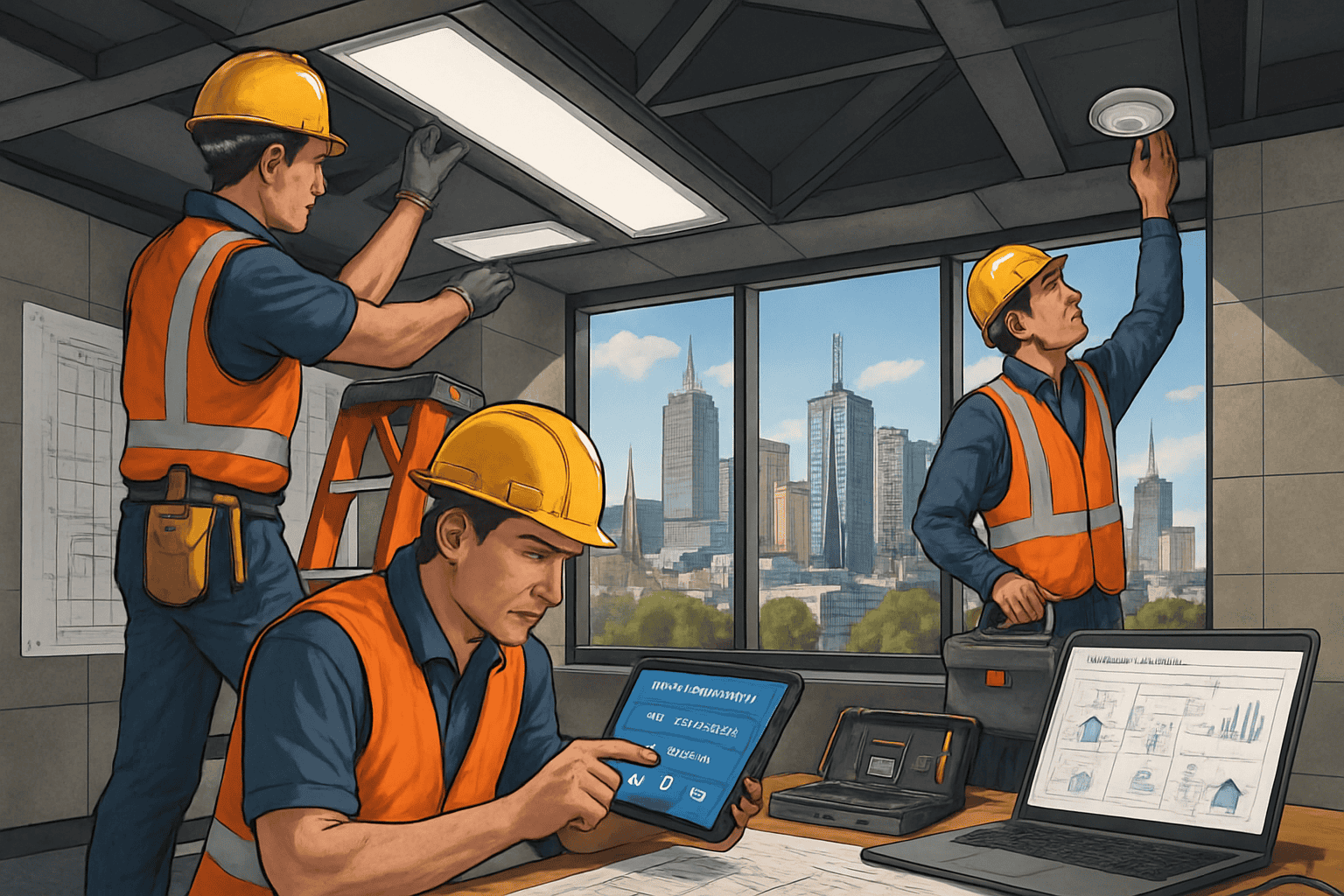
As a small business owner in Melbourne, you’re always looking for ways to cut costs, improve efficiency, and stay ahead of the competition. One area that often goes unnoticed is your commercial lighting system. Automated lighting controls have emerged as a game-changing solution for modern businesses, offering everything from energy savings to enhanced security and superior workplace comfort. In this comprehensive guide, we’ll break down everything you need to know about automated lighting controls in Melbourne — from understanding the technology and its benefits to how you can find a qualified commercial electrician to install and maintain your new system. If you’re looking to upgrade your lighting, reduce energy consumption, and reap long-term savings with smart technology, this guide is for you.
—
Introduction: Why Automated Lighting Controls Matter for Your Business
Modern businesses demand modern solutions. In today’s competitive landscape, small business owners are under increasing pressure to operate efficiently, reduce overheads, and demonstrate a commitment to sustainability. Automated lighting controls — including smart lighting controls, wireless lighting controls, and energy efficient lighting controls — offer a practical solution to help you achieve these goals.
Imagine having a system that adjusts your office or retail space lighting automatically based on occupancy or the time of day. Whether it’s daylight harvesting systems that adjust brightness based on natural light or occupancy sensors that ensure lights are only on when needed, these automated systems not only reduce your energy bills but also enhance comfort and productivity in your workspace.
This guide explores:
- The fundamentals of automated lighting controls
- The features and benefits of installing such systems in your commercial property
- Practical tips on selecting the right commercial electrician in Melbourne
- Regulatory information and best practices in line with local building codes and safety standards
Let’s delve into the smart technology that can optimize your business’s energy usage while simultaneously creating a more comfortable environment for your employees and customers.
—
Understanding Automated Lighting Controls
Automated lighting controls are advanced systems designed to manage your commercial lighting efficiently. Using a combination of sensors, timers, and centralized control panels — often integrated into your building management systems (BMS) — these controls adjust lighting levels automatically. Here are some key components and terminologies to get you acquainted with this technology:
Key Components of Automated Lighting Systems
- Lighting Control Panels: These panels serve as the brain of your automated lighting system. They allow you to program and adjust lighting schedules, set scenes, and manage different zones within your building.
- Occupancy Sensors: Commonly found in offices and warehouses, occupancy sensors detect movement and instruct the lighting system to switch on or off as needed. In Melbourne, occupancy sensors are popular for their ability to reduce energy wastage in rarely used areas.
- Daylight Harvesting Systems: These systems adjust indoor lighting based on the amount of natural light that enters your space, thereby optimizing energy use.
- Dimming Systems and LED Lighting Controls: Modern lighting systems often feature dimming systems that adjust the light intensity to create the right ambiance or to meet specific task lighting requirements.
- Wireless Lighting Controls: These controls offer great flexibility, eliminating the need for extensive rewiring, which is particularly beneficial during retrofits in older buildings.
Types of Technologies Used
Modern commercial lighting automation frequently incorporates various protocols and systems, such as:
- KNX Lighting Systems: A popular standard in Europe and increasingly in Australia, KNX enables seamless integration of lighting control with other building automation solutions.
- DALI (Digital Addressable Lighting Interface) Lighting Controls: Known for precise control over individual light fixtures, DALI systems allow for customized light levels throughout your facility.
- C-Bus Automation: Often used in both commercial and industrial applications, C-Bus provides centralized control for large-scale lighting scenarios.
- DMX Lighting Controls: Typically seen in entertainment and retail environments, DMX systems are highly effective for creating dynamic lighting scenes.
Each of these systems plays a role in creating a smart, energy-efficient, and highly customizable lighting environment.
—
The Benefits of Automated Lighting Controls for Commercial Spaces
Switching to automated lighting controls can deliver a multitude of benefits for your commercial property. Here’s a closer look at how these systems can positively impact your business:
1. Energy Efficiency and Cost Savings
Energy management remains one of the top priorities for businesses today. Automated lighting systems help:
- Reduce Energy Consumption: Automated systems ensure lights are only on when needed. Occupancy sensors, timers, and daylight harvesting systems contribute significantly to energy conservation.
- Lower Electricity Bills: With fewer lights running unnecessarily, you can enjoy substantial cost savings each month.
- Improve ROI: Many smart lighting controls offer a rapid return on investment, making them an excellent long-term cost-saving measure.
2. Enhanced Workplace Comfort and Productivity
The quality of lighting in your business premises can directly affect productivity. Here’s how automated controls help:
- Customized Light Levels: Whether you need bright lighting for detailed tasks or softer lighting for a relaxed atmosphere, automated systems can be programmed to suit different needs.
- Reduced Glare and Eye Strain: With dimming systems and daylight harvesting capabilities, employees can experience a more comfortable work environment.
- Consistent Lighting Quality: Automated controls ensure that your facility maintains uniform lighting levels without the hassle of manual adjustments.
3. Improved Security and Safety
Safety is paramount, especially in commercial settings. Adequate lighting is a crucial component of any security plan:
- Automated Exterior Lighting: Automated exterior and emergency lighting systems can enhance safety after dark while reducing energy wastage during the day.
- Motion Sensor Lighting: Integrating motion sensor lighting can deter unauthorized access and provide an instant response in case of emergencies.
- Compliance with Safety Standards: Automated systems, when installed by qualified commercial electricians, ensure compliance with local safety regulations in Melbourne.
4. Environmental Sustainability
In today’s eco-conscious market, sustainable business practices aren’t just a trend – they’re a necessity:
- Reduction in Carbon Footprint: Energy efficient lighting controls help reduce energy consumption, contributing to lower greenhouse gas emissions.
- Support for Green Certifications: Automated lighting systems can be closely linked with other green building practices to help you achieve certifications like Green Star or NABERS (National Australian Built Environment Rating System).
- Promoting a Green Brand Image: Demonstrating a commitment to sustainability can help attract a customer base that values environmental stewardship.
5. Integration with Building Management Systems
For those looking to integrate all building operations into one cohesive system, automated lighting controls offer seamless integration:
- Centralized Control: Incorporate your lighting control panels into a building management system for easy monitoring, scheduling, and adjustments.
- Smart Building Integration: Newer systems can integrate with HVAC and security systems, creating a harmonious environment for energy management.
- Remote Monitoring and Control: With networked lighting controls, you can adjust settings remotely via mobile devices or computer software—ideal for businesses with multiple locations or after-hours management.
—
Features of Automated Lighting Controls
Automated lighting controls come equipped with a range of features that maximize functionality while minimizing human error. Here are some notable features you might encounter in systems installed in Melbourne commercial properties:
Smart Scheduling and Timers
- Flexible Scheduling: Create customized lighting schedules for different zones within your building. For example, retail areas might require longer operating hours compared to storage spaces.
- Adaptive Timers: These systems automatically adjust lighting based on the day’s schedule, reducing manual intervention and avoiding human error.
Occupancy and Motion Sensors
- Instant Illumination: Lights can automatically turn on and off when someone enters or leaves a room, minimizing waste.
- Adjustable Sensitivity: Sensors can be configured to adjust sensitivity, ensuring that they function effectively in varying environmental conditions.
Dimming and Scene Setting Capabilities
- Preset Scenes: Easily create different lighting scenes for meetings, presentations, or after-hours events.
- Gradual Dimming: Smooth transitions when lights are adjusted help create a consistent and comfortable reading or working environment.
Wireless and Remote Capabilities
- Wireless Control: Many modern systems allow for remote control through app-based interfaces, let you manage your lighting from anywhere in Melbourne.
- Networked Systems: Integration with building management systems ensures that all components work in harmony, coordinated through a central platform.
Energy Monitoring and Reporting
- Real-Time Data: Access detailed reports on energy consumption, helping you identify areas where further savings can be made.
- Usage Analytics: Data-driven insights allow you to optimize your scheduling and further reduce energy costs.
—
Local Best Practices and Regulations in Melbourne
When considering an upgrade to automated lighting systems in Melbourne, it’s crucial to follow local building codes, safety standards, and best practices. Here’s a rundown of some of the key considerations:
Compliance with the National Construction Code (NCC)
- Adhering to Standards: The NCC sets the benchmark for building safety and energy efficiency in Australia. Automated lighting installations must adhere to these standards to ensure safety and compliance.
- Regular Updates: Keep abreast of regulatory changes in the NCC to ensure your systems remain up-to-date with the latest requirements.
Safety and Electrical Standards
- Australian Standards (AS/NZS): Ensure that your installation complies with AS/NZS standards, particularly those related to electrical installations and safety.
- Licensed Electricians: In Melbourne, it is not just best practice but a legal requirement to have commercial lighting installations performed by licensed electrical contractors. This ensures safety and adherence to regulatory guidelines.
Environmental and Energy Regulations
- Energy Efficiency Guidelines: The state of Victoria offers incentives and guidelines to promote energy efficiency. Automated lighting systems should be designed to meet or exceed these criteria.
- Sustainability Goals: Incorporating automated lighting controls can contribute to broader sustainability goals, such as reducing carbon emissions and aligning with local environmental policies.
Best Practices for Installation and Retrofitting
- Site Assessment: A thorough site assessment by a qualified commercial electrician will help identify the most suitable automated lighting solutions for your building.
- Future-Proof Planning: Ensure that the system you select allows for future upgrades and integrations with other smart building systems.
- Quality Assurance: Always go with quality components from reputable manufacturers to ensure longevity and reduced maintenance demands.
—
Choosing the Right Commercial Electrician in Melbourne
Finding the perfect commercial electrician for your automated lighting installation is a critical step in the process. Here are some practical tips to help you choose the right professional:
1. Verify Qualifications and Licensing
- Licensed Professionals: Always hire a licensed commercial electrician. In Melbourne, this means looking for certifications and licensing that prove they adhere to local regulations.
- Specialization: Choose an electrician who specializes in commercial installations and, ideally, has specific experience with automated lighting systems.
2. Review Past Projects
- Portfolio of Work: Ask for examples or case studies of previous installations. Look for projects that include automated lighting systems, smart lighting controls, or LED retrofits.
- Client Testimonials: Positive feedback from other Melbourne-based businesses can provide reassurance that the electrician can handle your specific needs.
3. Get Detailed Quotes
- Transparent Pricing: Request a detailed, written quote that outlines all costs involved, from installation to commissioning and maintenance.
- Long-Term Maintenance: Inquire about ongoing support and automated lighting maintenance. A good electrician will offer service packages that cover regular check-ups and necessary updates.
4. Look for a Full-Service Provider
- Integrated Services: The ideal commercial electrician should be able to manage the entire installation process—from planning and design to implementation and aftercare.
- Industry Knowledge: They should also have a firm understanding of related systems, such as building management systems and energy monitoring systems, to help integrate your lighting with other smart building technologies.
5. Local Experience
- Familiarity with Melbourne’s Regulations: An electrician with local experience will better understand Melbourne’s specific building codes, safety regulations, and environmental guidelines.
- Proximity: Local professionals can provide quicker service for both installations and emergency repairs, ensuring minimal disruption to your business operations.
By following these practical tips and doing thorough research, you’ll be able to select a commercial electrician who can deliver the high-quality installation your business needs.
—
Preparing for Your Automated Lighting Installation
Once you’ve chosen your commercial electrician, the next step is to prepare your premises for the new automated lighting system. The following steps can help ensure a smooth installation process:
1. Conduct a Comprehensive Site Audit
- Assess Current Infrastructure: Evaluate your current lighting setup to determine what needs to be modified or replaced.
- Identify Key Areas: Prioritize areas that will benefit the most—for example, reception areas, conference rooms, or areas with high energy use such as warehouses.
- Check Compatibility: Ensure that your building’s electrical infrastructure can support the new automated systems.
2. Define Your Objectives
- Energy Savings Goals: Clearly state how much you aim to reduce your electricity consumption.
- Enhanced Functionality: Identify functional requirements like occupancy-based controls, dimming features, or integration with your existing building management systems.
- Budget Considerations: Set realistic budget targets, including installation and long-term maintenance costs.
3. Plan the Installation Timeline
- Minimize Disruption: Work with your electrician to schedule installations during off-peak hours or during planned shutdowns to minimize interference with daily operations.
- Phase Installation: In larger buildings, consider a phased installation plan that lets you gradually upgrade your lighting system.
4. Communicate with Your Team
- Staff Training: Inform your staff about the upcoming changes and explain how the new system works. A well-trained team will be more likely to appreciate the energy-saving benefits and adapt to changes quickly.
- Feedback Loop: Encourage your employees to relay feedback on lighting performance which can help your project team fine-tune the system post-installation.
5. Ensure Safety Precautions
- Safety Protocols: Confirm that your commercial electrician follows all safety procedures during installation, including proper shutdown of electrical circuits and secure wiring practices.
- Regulatory Compliance: Double-check that all permits and necessary approvals are in place before the work begins.
—
Post-Installation: Maximizing the Benefits of Automated Lighting Controls
After your automated lighting controls are installed, it’s important to make the most out of your new system. Here’s how you can ensure long-term success and ongoing benefits:
Regular Maintenance and Support
- Scheduled Inspections: Set up regular maintenance intervals with your commercial electrician or service provider to inspect your automated lighting system.
- Software Updates: Ensure that any lighting control software or firmware is kept up-to-date. This can help avoid glitches and bring new functionalities as they are released.
- Energy monitoring tools: Leverage built-in energy monitoring tools to track efficiency improvements. Regular reviews can point out further savings and inefficiencies that may need addressing.
Employee Engagement and Feedback
- User Training: Offer periodic training sessions or quick tips for staff to maximize the benefits of smart lighting controls.
- Feedback Mechanisms: Create channels for employees to report any anomalies or suggest improvements. This user feedback can lead to fine-tuning of the system settings for better performance.
Leveraging Advanced Features
- Scene Setting and Scheduling: Experiment with different lighting scenes and schedules. Fine-tuning these settings can provide optimal lighting for various tasks and times, ultimately boosting productivity.
- Integration with Other Systems: If your business expands its smart building initiatives, consider integrating your lighting system with HVAC or security systems. This integration can result in comprehensive automated building management, offering superior control over overall energy consumption.
- Scalability: Plan for future expansion. Automated lighting retrofits and integrations with systems like KNX lighting systems or DALI lighting controls can be expanded as your business grows.
—
Real-World Examples and Success Stories
Many Melbourne-based businesses have already reaped the benefits of automated lighting controls. Consider these success stories to see how your business might benefit:
Example 1: Retail Store Success
A boutique retail store in Melbourne upgraded its lighting with automated controls, incorporating both occupancy sensors and wireless lighting controls. The result? A significant reduction in energy waste and a pleasant shopping atmosphere that adapts to customer presence. The cost savings were reinvested to further enhance customer service and display enhancements, all while meeting sustainability targets.
Example 2: Corporate Office Transformation
A medium-sized corporate office replaced its traditional overhead lights with an advanced automated lighting system. With features like dimming systems and scene setting, the office could adjust lighting levels for presentations, meetings, and daily work. Employees reported increased productivity and comfort, and the company noted a substantial decrease in its monthly energy bills — a win-win scenario for business and the environment.
Example 3: Warehouse Efficiency Boost
A large industrial warehouse in Melbourne installed automated exterior and interior lighting controls to manage its energy use after dark. Motion and light sensors ensured that only active zones were lit. Not only did this installation comply with safety regulations, but it also helped reduce the operational costs significantly. The integration with their building management systems provided further insights into energy patterns, leading to more efficient operations.
—
Conclusion
Automated lighting controls represent a smart, energy-efficient solution for modern commercial properties in Melbourne. With the potential to reduce energy costs, enhance workplace productivity, and boost safety and sustainability, these systems are an excellent investment for any small business owner. By understanding the key components of automated lighting systems, familiarizing yourself with local regulations, and carefully selecting a qualified commercial electrician, you can ensure a smooth and successful installation.
This comprehensive guide has explored everything from the basics of smart lighting controls, such as occupancy sensors and daylight harvesting systems, to advanced integrations with building management systems. With features including dimming systems, wireless control, and energy monitoring capabilities, automated lighting controls can be tailored to your unique business needs.
As you consider the future of your business infrastructure, think about how automated lighting can be part of a broader strategy towards sustainability and operational efficiency. Whether upgrading a retail store, modernizing a corporate office, or optimizing an industrial warehouse, the right automated lighting system in Melbourne can lead to lasting cost savings and improved performance.
Feel free to reach out to local commercial electricians in Melbourne who have the expertise to guide you through the installation process. With careful planning, quality installation, and ongoing management, your automated lighting system will not only illuminate your business space but also pave the way for a brighter, more energy-efficient future.
Embrace the future of commercial lighting automation, and let your business shine—both in operation and in sustainability.
By following the steps and tips outlined in this guide, you’re well on your way to transforming the way your business manages lighting. Remember, the journey towards automation begins with picking the right partner: a highly experienced commercial electrician who understands Melbourne’s specific building codes and environmental standards. Here’s to a smart, bright, and energy-efficient future for your business!
Whether you’re exploring automated lighting retrofits, energy efficient lighting controls, or smart building integration, the road ahead is filled with opportunities for innovation and savings. Use this guide as your roadmap, and take a confident step toward a future where technology and sustainability light the way.
For further assistance, additional resources, and the latest updates on commercial lighting automation, don’t hesitate to contact your local Melbourne electrical contractors. They are ready to help you harness the full potential of automated lighting systems, turning your business into a model of modern efficiency and environmental responsibility.
This detailed guide should equip you with the insights, practical tips, and local knowledge needed to successfully implement automated lighting controls in Melbourne. Happy lighting, and here’s to your commercial success!
0 Comments