
Table of Contents
- Introduction: Why Food Processing Electrical Standards Matter for Your Business
- Understanding Food Processing Electrical Systems
- The Importance of Compliance: Local Codes and Regulations
- Finding the Right Commercial Food Processing Electrician
- The Role of an Industrial Electrician in Food Processing Facilities
- Features and Benefits of Proper Electrical Installations in Your Food Processing Plant
- Practical Tips for Planning and Upgrading Your Electrical System
- Best Practices for Electrical Installation and Safety in Food Processing Facilities
- Local Melbourne Insights: Staying Ahead of the Curve
- Food Processing Electrical Upgrades: What to Expect
- Conclusion: Keeping Your Food Processing Plant Powered for Success
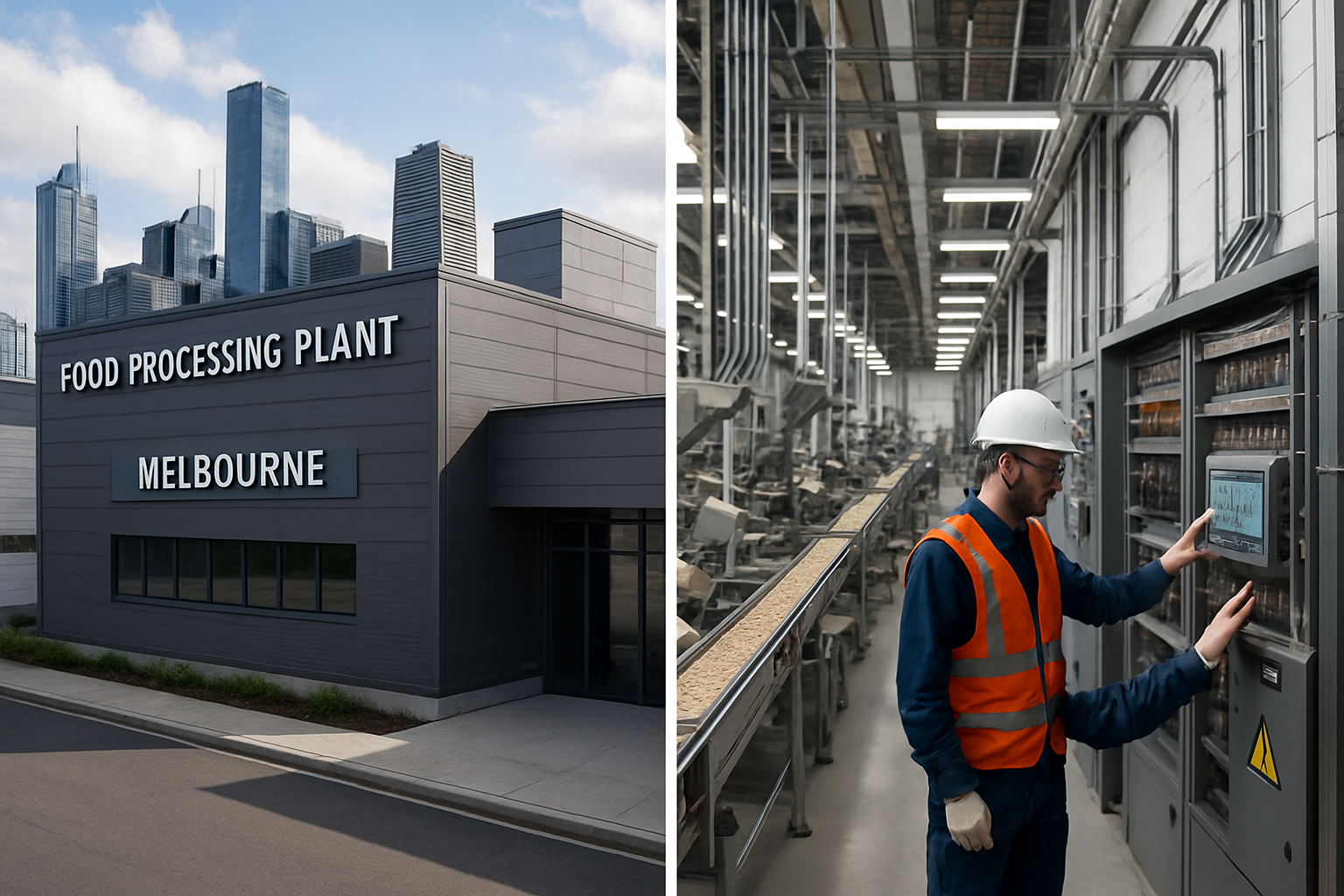
Running a food processing facility is no small feat. Along with managing everyday production, quality control, and the safety of your products, you have to worry about powerful electrical systems that keep your plant humming along. For small business owners in Melbourne who are looking for reliable commercial food processing electrical services, this guide is your one-stop resource. Read on to learn more about the best practices, industrial standards, and indispensable tips for maintaining and upgrading your facility’s electrical systems in line with Australia’s strict food safety and electrical regulations.
In this comprehensive guide, we’ll cover:
- An overview of food processing plant electrical systems
- Key local codes, regulations, and industrial standards that impact your facility
- Practical advice on finding a commercial food processing electrician in Melbourne
- Essential features and benefits of engaged industrial electrician services
- Expert tips for planning, upgrading, and ongoing maintenance of your electrical installations
Let’s dive in!
Introduction: Why Food Processing Electrical Standards Matter for Your Business
Every business owner in the food processing industry knows that even a minor hiccup in your production line can have a domino effect on efficiency, product quality, and ultimately, your bottom line. However, a frequently overlooked area is ensuring that your electrical systems are not only powerful but compliant with rigorous food industry electrical codes. These systems power everything from lighting and refrigeration units to automated packaging lines and energy-intensive machinery.
In Melbourne, working with an experienced industrial electrician ensures that your services and installations align with local safety standards, electrical codes, and hygiene requirements. The benefits are many: increased operational safety, reduced downtime, enhanced product quality, and peace of mind that your facility meets industry standards—especially important when your business is under regular ATO audits, insurance inspections, and industry-specific evaluations. In this guide, we’ll break down the essentials of keeping your facility’s electrical systems top-notch and compliant.
Understanding Food Processing Electrical Systems
Before delving into regulations and compliance, let’s look at what food processing facility electrical systems involve. These systems are typically comprised of several interrelated subsystems that work together. Here’s an overview:
Key Components
- Industrial Power Systems: These typically involve three-phase power supplies to meet the high energy demands of food manufacturing equipment.
- Electrical Switchboards and Control Panels: The brain of your facility’s automation systems, ensuring safe operational control.
- Lighting Systems: Specialised lighting, including LED options that often incorporate hygienic designs, meant to produce no excess heat and solve shadow problems in clean areas.
- Wiring and Cable Management: Safe, secured, and hygienically designed wiring solutions to minimize risks in high moisture or corrosive environments.
- Backup and Emergency Systems: Emergency power supplies, such as generators or UPS (Uninterruptible Power Supply) systems, ensuring continuity during power interruptions.
- Food Grade Electrical Equipment: Equipment that meets food safety standards, including stainless steel electrical fittings and washdown capabilities.
Why It’s Different from Conventional Facilities
Food production facilities have unique requirements due to the combination of high moisture environments, strict cleanliness standards, and the need to prevent contamination. This adds layers of complexity to your electrical installations:
- Hygienic Electrical Design: All electrical equipment in food production areas must be sealed, corrosion-resistant, and easy to clean.
- Hazardous Area Certification: Where there’s potential exposure to flammable substances or high humidity, equipment must be certified to operate safely—this is often termed as “electrical hazardous area” compliance.
- Specialised Maintenance Needs: Food processing electrical systems require regular checks by qualified professionals to maintain compliance with food safety electrical standards.
By understanding these nuances, business owners can better appreciate why partnering with an industrial electrician specializing in food processing electrical Melbourne systems is not just a good idea—it’s essential.
The Importance of Compliance: Local Codes and Regulations
Melbourne is home to many food processing plants, and with that comes a responsibility to adhere to state and national electrical regulations. Let’s explore the essential guidelines:
Australian Standards and Codes
Australia has rigorous standards to ensure safety and uniform performance. Some of the key compliance frameworks include:
- AS/NZS 3000:2018 (The Australian/New Zealand Wiring Rules): Establishes the necessary electrical installations and wiring practices to ensure safety.
- Food Safety Standards (FSANZ Regulations): Ensures that all electrical systems used in food processing facilities do not compromise food safety.
- Cleanroom Electrical Installation Guidelines: Guidelines specifically aimed at electrical work in cleanroom environments, preventing contamination and ensuring efficient cleaning processes.
Local Melbourne Regulations
When it comes to Melbourne, local authorities work in tandem with federal regulations to ensure that every electrical installation meets strict criteria in the food industry. Commercial electricians in Melbourne must be familiar with:
- Municipal Building Codes and Permits: Ensuring that any electrical work (whether new installations, upgrades, or repairs) is pre-approved and inspected.
- Work Health and Safety (WHS) Regulations: Extra emphasis is placed on both the safety of the personnel working on the systems and those coming in contact with the facility.
- Energy Efficiency Requirements: With Australia increasingly moving toward sustainable energy solutions, efficiency in electrical installations is not only cost-effective but may also be part of local government grants or incentives.
Failure to meet these standards can result in heavy fines or even production shutdowns, which can seriously disrupt your bottom line. That’s why engaging with an experienced industrial electrical contractor in Melbourne is critical.
Finding the Right Commercial Food Processing Electrician
Now that you understand the importance of your facility’s electrical systems and the standards they must adhere to, here are some practical tips on finding the right commercial food processing electrician:
Key Qualities to Look For
- Industry Specialisation: Look for electricians who have extensive experience with food processing facilities. They should be familiar with food grade electrical equipment, hygienic systems, and switchboard requirements.
- Local Knowledge: It pays to choose a commercial food processing electrician who knows Melbourne’s local building codes, WHS regulations, and certification processes.
- Up-to-Date Certification: Verify that the electrician holds current licenses and certifications in industrial electrical installation. Check for accreditation under organisations like Master Electricians Australia.
- Proven Track Record: Ask for case studies or references from similar projects. A reliable electrician should have a portfolio outlining food processing electrical installations, upgrades, or maintenance schemes.
- Emergency Support: It’s imperative that your contractor can provide rapid troubleshooting and emergency repair services, minimizing any potential disruption in your operations.
Where to Start Your Search
- Local Business Directories and Online Reviews: Search for “industrial electrician Melbourne” or “commercial food processing electrician” to find professionals who are well-reviewed.
- Industry Referrals and Networking: Consult your business network, local food industry associations, or reach out to other business owners for recommendations.
- Consultation Meetings: Arrange meetings with potential contractors. This not only gives you a feel for their expertise but also provides insights into how well they understand your specific needs.
Questions to Ask a Prospective Electrician
When talking to prospective electricians, consider asking the following:
- Can you provide examples of food processing electrical projects you have completed in Melbourne?
- What certifications and training do you have specific to food industry installations?
- How do you ensure compliance with local Melbourne regulations, AS/NZS 3000, and food safety electrical standards?
- Do you offer 24/7 support and emergency maintenance services?
- How do you approach budgeting, scheduling, and project management for both upgrades and new installations?
By making sure these bases are covered, you can avoid unexpected issues down the line and ensure that your facility continues to run efficiently and safely.
The Role of an Industrial Electrician in Food Processing Facilities
In a bustling food processing plant, an industrial electrician doesn’t just fix wiring; they are the guardians of your operational integrity. Here are some detailed insights into the roles and responsibilities of these experts:
Installation of Food Manufacturing Electrical Systems
An industrial electrician in Melbourne specializing in food production facilities is responsible for:
- Designing and Installing Robust Infrastructure: This includes comprehensive circuit designs, cable management systems, and intricate food plant electrical wiring that meet both operational and safety standards.
- Integrating Automation Systems: They set up food industry automation systems, ensuring that even automated machinery receives reliable power, control signals, and data feedback.
- Installation of Specialized Equipment: This includes food processing switchboards, motor controls, and upgrade systems that are critical for modern production demands.
- Cleanroom Electrical Installations: In areas where hygiene is paramount, electricians ensure that all equipment has the necessary washdown provisions and meets cleanroom standards.
Maintenance and Upgrades
Regular maintenance of your facility’s electrical systems is non-negotiable. A dedicated industrial electrician offers:
- Preventative Maintenance Programs: Regular inspections and testing electrical systems to pre-emptively address any issues before they lead to costly downtime.
- Upgrades and Retrofitting: As technology evolves, so should your equipment. Upgrading outdated wiring, control panels, or lighting systems can improve energy efficiency and meet current food safety regulations.
- Emergency Repairs: Fast response to unexpected electrical faults ensures that your food processing operations are never halted for extended periods.
- Regular Audits: Compliance audits, including food manufacturing electrical audits and food plant electrical inspections, to ensure that your system meets evolving standards.
Beyond the Basics: Added Value of Expert Services
Engaging an industrial automation electrician offers more than just routine inspection and repair services. They provide other invaluable benefits:
- Energy Savings: Upgrading to energy-efficient systems not only meets local regulations but can save significant resources over time.
- Operational Reliability: A well-maintained electrical system reduces unplanned downtime, safeguarding your production schedules.
- Improved Food Safety: Ensures that all electrical installations meet stringent food safety and hygiene regulations, reducing risks of contamination.
- Scalability: Whether you’re expanding your facility or upgrading machinery, having an expert by your side streamlines integration and ensures seamless scalability.
Features and Benefits of Proper Electrical Installations in Your Food Processing Plant
Implementing and maintaining a high standard of electrical installations in your food processing facility brings a host of benefits. Let’s break down some of the top features and why they matter:
Features
- Food Grade Electrical Equipment: Designed to withstand the harsh cleaning chemicals and frequent washdowns often required in food facilities.
- Hygienic Electrical Design: Using stainless steel electrical fittings and sealed enclosures to avoid contamination.
- Three Phase Power: Essential for running high-load equipment efficiently in food manufacturing, reducing the risk of overloads.
- Enhanced Control Panels: Modern, digital control panels that better integrate with automation systems for seamless operation.
- Smart Monitoring Systems: Features for remote monitoring and predictive maintenance to catch early signs of potential failure.
- Safe Wiring Solutions: Dedicated cable management systems that protect against accidental wear and tear while adhering to cleanliness standards.
Benefits
- Operational Efficiency: Proper electrical installations reduce equipment downtime and maintenance costs, ensuring your production line runs smoothly.
- Improved Food Safety Compliance: Maintains adherence to food safety electrical standards dictated by FSANZ and industry best practices.
- Cost Savings: Energy-efficient installations and reduced downtime translate into long-term cost benefits.
- Peace of Mind: With compliance to local Melbourne regulations and industry standards, you can rest easy knowing that your facility is safe.
- Future-Proofing: Up-to-date electrical systems are easier to scale and upgrade, ensuring that your plant remains at the cutting edge of technology.
Practical Tips for Planning and Upgrading Your Electrical System
Whether you’re setting up a new plant or upgrading an existing facility, careful planning is the key to success. Here are some practical, step-by-step tips:
1. Conduct a Comprehensive Electrical Audit
- Always start with a thorough inspection of your existing electrical systems.
- Identify areas that are in need of urgent attention, such as outdated wiring, overloaded circuits, or lack of proper grounding.
- Schedule periodic audits to maintain continual compliance with food processing electrical regulations in Australia.
2. Develop a Maintenance Schedule
- Work with your industrial electrician to establish a routine maintenance plan.
- Ensure regular testing of critical systems such as food processing switchboards, motor controls, and emergency backup systems.
- Incorporate predictive maintenance techniques using smart monitoring systems for early fault detection.
3. Plan for Upgrades with Future Expansion in Mind
- Consider your long-term business goals and how your electrical system might need to evolve.
- Use modular designs that allow for easy scalability and integration of new technologies.
- Invest in energy-efficient solutions like LED lighting systems and updated power distribution setups.
4. Prioritise Food Safety and Hygienic Design
- Make sure that any new installations or upgrades meet the rigorous standards for cleanroom electrical installation.
- Opt for food grade electrical components that are compliant with the latest FSANZ guidelines.
- Design your electrical layout to minimise contamination risks, reducing the need for costly cleanups or production disruptions.
5. Engage with Local Experts
- Always consult with local industrial electrical contractors who have a deep understanding of Melbourne’s regulatory environment.
- Attend local industry seminars or workshops to stay abreast of any changes in electrical codes or food safety standards.
- Leverage local resources and networks; joining industry groups can be a great way to gather insights and recommendations.
6. Budget for Unexpected Costs
- Electrical systems in food processing facilities are critical and often require quick repairs or upgrades.
- Reserve a contingency fund for emergency repairs to minimise prolonged downtime.
- Consider investing in extended service contracts for critical systems to ensure priority support when needed.
Best Practices for Electrical Installation and Safety in Food Processing Facilities
Living up to the industrial electrical standards Australia demands requires diligence. Here are some best practices:
A. Meticulous Documentation and Record-Keeping
- Keep detailed records of all installations, inspections, and maintenance work.
- Updated documentation is crucial during inspections and audits, both internally and by local regulatory bodies.
B. Use of Certified and Tested Equipment
- Always source equipment that carries relevant certifications for use in food plants.
- Choose suppliers and electricians who are familiar with industrial electrical certification requirements in Melbourne.
C. Regular Training for In-House Staff
- Ensure employees are trained on emergency procedures related to electrical faults.
- Regularly update training to include new safety technologies or changes to protocols.
D. Clear Labeling and Circuit Identification
- Implement a robust system for labeling all circuits, control panels, and electrical rooms.
- Clear labeling not only speeds up troubleshooting but also enhances safety during maintenance activities.
E. Installing Reliable Backup Systems
- Backup power systems and UPS should be tested regularly to ensure readiness in case of a power failure.
- Include redundant systems in high-risk areas to ensure that critical food processing machinery remains operational at all times.
Local Melbourne Insights: Staying Ahead of the Curve
Living and working in Melbourne offers unique advantages and challenges. Here’s what you need to know tailored specifically for our local food processing industry:
Local Regulatory Hotspots
- Be aware that Melbourne’s local councils may have specific requirements that go above the national standards. Always check with your local municipality before initiating any large-scale electrical work.
- Melbourne’s commitment to sustainability means looking at energy-efficient technologies isn’t just a cost-saving measure—it is a nod to local government initiatives which might provide rebates or incentives.
Climate Considerations
- Melbourne’s weather can be unpredictable. Ensure your electrical installations are robust and designed to handle high humidity, unexpected rain, and temperature variances that could affect sensitive electrical systems.
- Corrosion-resistant equipment is a must; stainless steel fittings and sealed enclosures can help mitigate the effects of Melbourne’s coastal conditions if your facility is near the bay.
Collaborating with Local Specialists
- Melbourne boasts some of Australia’s top industrial electrical contractors. Engage with professionals who have a local footprint—they understand both the business landscape and the local regulatory demands.
- Networking forums and local industry events are excellent opportunities to connect with experts, learn about emerging trends, and gather recommendations for trusted commercial food facility electricians.
Food Processing Electrical Upgrades: What to Expect
Upgrading your electrical system in a food production facility might seem overwhelming, but if you know what to expect, you can approach it with confidence. Here’s an outline of the process:
Initial Consultation and Site Assessment
- A reputable commercial kitchen electrical expert in Melbourne will begin with a comprehensive on-site assessment.
- This includes evaluating your current electrical infrastructure, understanding the nuances of your production processes, and identifying any bottlenecks or risks.
Designing a Custom Solution
- Based on the assessment, the electrician will craft a detailed plan tailored to your facility’s specific needs.
- This plan covers everything from food plant circuit design to integration of industrial automation systems, ensuring that every element is addressed.
- The proposal should outline timelines, costs, and contingency plans for any unexpected issues that might arise.
Implementation and Testing
- Expect minimal disruption to your operations through careful planning of the upgrade schedule.
- The installation process includes detailed testing, certification, and documentation to guarantee compliance with all relevant food processing electrical standards.
- Post-installation, a thorough final audit will confirm that the installation meets or exceeds Melbourne’s safety and compliance benchmarks.
Post-Upgrade Maintenance and Training
- Once upgrades are complete, ongoing maintenance should be scheduled to ensure that your systems continue to function efficiently.
- Training for your in-house maintenance team on new system functionalities and emergency procedures is essential for long-term success.
Conclusion: Keeping Your Food Processing Plant Powered for Success
Maintaining robust, compliant electrical systems in your food processing facility is not just about ticking regulatory boxes—it’s about securing the backbone of your business operations. For small business owners and facility managers in Melbourne, partnering with an experienced industrial electrician ensures that your facility meets stringent food industry electrical standards, reduces the risk of costly downtime, and guarantees that your production lines remain both safe and efficient.
Whether you’re in need of a comprehensive new installation, a timely upgrade, or ongoing maintenance, the insights shared in this guide empower you with the knowledge to make informed decisions. By focusing on quality, compliance, and sustainability, you not only protect your investment but also pave the way for long-term success in a competitive market.
Remember, effective electrical management leads to streamlined operations and safer products—both critical factors in the fast-paced world of food manufacturing. So, get in touch with a local, certified industrial electrician today and secure your food processing plant’s future with confidence.
Embrace the challenge of keeping your facility at the forefront of the food manufacturing electrical standards in Melbourne, and you’ll see the benefits multiply, from enhanced safety measures to improved operational efficiency. Good luck powering up, and here’s to your continued success in the food processing industry!
0 Comments