

1. Why Workplace Electrical Safety Matters
2. Understanding the Basics: Key Terms and Concepts
3. Legal Obligations and Regulations in Melbourne and Victoria
4. Features and Benefits of a Comprehensive Electrical Safety Plan
5. Steps to Achieve Electrical Safety Compliance
6. Practical Tips for Employers
7. Best Practices for Training and Incident Management
8. Local Insights: Melbourne-Specific Strategies
Workplace Electrical Safety Melbourne: Employer Obligations Guide
In today’s fast-paced business environment in Melbourne, ensuring workplace electrical safety isn’t just about compliance – it’s a fundamental element of protecting your staff, assets, and reputation. As a small business owner or property manager, understanding and implementing robust electrical safety policies can be the difference between a safe work environment and a disaster waiting to happen. This comprehensive guide will walk you through everything you need to know about workplace electrical safety in Melbourne, including relevant workplace electrical regulations in Victoria, practical tips for selecting a commercial electrician, and effective strategies for maintaining electrical safety compliance.
Let’s get started on understanding your electrical safety obligations and how to create a safer, more compliant work environment.
Why Workplace Electrical Safety Matters
For business owners in Melbourne, understanding workplace electrical safety is not just an operational necessity but also a legal imperative that safeguards employees and reduces risks. Electrical hazards in commercial premises can lead to severe injuries, costly downtime, or even fatalities. In addition, non-compliance with local electrical safety regulations can result in fines, legal liabilities, and reputational damage.
Maintaining electrical safety in the workplace involves proactive measures such as:
- Regular inspections and testing of electrical installations.
- Implementing strict safety protocols.
- Ongoing training and certification for staff.
- Engaging with qualified service providers for installation, maintenance, and audits.
The benefits of a safe electrical environment extend beyond compliance. By ensuring that your electrical systems are up to code and regularly maintained, you create a work culture that prioritises safety. This, in turn, boosts employee morale, efficiency, and reduces the likelihood of workplace electrical incidents.
Understanding the Basics: Key Terms and Concepts
Before diving into strategies for improving electrical safety in your business, it’s essential to understand some key terms:
- Electrical Safety Compliance Melbourne: Meeting all safety codes and regulations as set by local authorities and industry standards.
- Workplace Electrical Regulations Victoria: Specific rules and standards applicable to electrical installations and maintenance in Victorian workplaces.
- Commercial Electrical Safety Audit: A comprehensive review of your electrical systems to ensure they meet local, state, and federal guidelines.
- Employer Electrical Responsibilities: Legal and ethical duties of a business owner to maintain a safe work environment free from electrical hazards.
- Electrical Hazard Prevention Workplace: The methods and actions taken to prevent potential electrical dangers in the workplace.
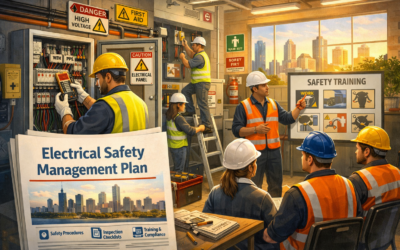
- Electrical Safety Management Plan: A strategic plan detailing the procedures and policies developed to maintain electrical safety.
Understanding these concepts will help you navigate the complexities of electrical safety and ensure your business remains compliant with the latest standards.
Legal Obligations and Regulations in Melbourne and Victoria
In Melbourne, as in the rest of Victoria, workplace electrical safety is governed by strict regulations. These regulations are designed not only to protect employees but also to ensure that businesses operate within an acceptable risk framework. Here are some of the primary legal frameworks and standards you should be aware of:
Key Regulations and Standards
- Electrical Safety Act and Regulations: These guidelines dictate the responsibilities of employers in managing risks related to electrical installations and equipment.
- WorkSafe Victoria Guidelines: WorkSafe Victoria provides comprehensive resources outlining electrical safety policies, the importance of regular inspections, and employee training.
- Australian/New Zealand Standard (AS/NZS 3000): Known as the “Wiring Rules,” this standard covers the installation of electrical wiring and equipment in commercial properties.
- Local Council Regulations: Depending on your location within Melbourne, your local council might have additional requirements or inspection protocols for workplace electrical systems.
Employer Electrical Responsibilities
As an employer, your legal obligations include but are not limited to:
- Conducting thorough and regular electrical risk assessments on-site.
- Implementing safety measures such as circuit breaker safety protocols, proper PPE usage, and regular electrical equipment testing.
- Developing and maintaining an electrical safety management plan in consultation with certified professionals.
- Ensuring that all electrical work is carried out by licensed and qualified tradespeople, which is critical for electrical safety certification business compliance.
- Maintaining documentation related to all safety inspections and training sessions, as this is essential for electrical compliance documentation and audit trails.
Failure to meet these obligations can lead to significant consequences, including fines, legal actions, and the risk to human life.
Features and Benefits of a Comprehensive Electrical Safety Plan
Implementing a robust electrical safety plan is essential for any business operating in Melbourne. Here are some features and benefits of having such a plan in place:
Key Features
- Thorough Electrical Risk Assessments:
- Regular evaluations of your electrical setups help identify potential hazards before they become major problems.
- Use checklists and audits to ensure all aspects – from wiring to electrical equipment – are checked systematically.
- Routine Maintenance and Testing Schedules:
- Scheduled maintenance ensures that all electrical installations and equipment operate efficiently and safely.
- This includes electrical equipment testing Melbourne protocols, ensuring everything from power outlets to circuit breakers is in perfect working order.
- Effective Training Programs for Staff:
- Regular training sessions help employees understand the risks associated with electrical systems and how to respond in emergencies.
- Courses on electrical safety training Melbourne can be invaluable in reducing workplace electrical incidents.
- Clear Documentation and Record Keeping:
- Maintaining documentation such as maintenance records, incident reports, and inspection certificates helps in both compliance and improvement of safety measures.
- A well-documented process also makes electrical safety inspections Victoria smoother and more transparent.
- Emergency Preparedness and Response Plans:
- Having clear protocols to follow in case of an electrical emergency can greatly reduce the impact of any incident.
- This includes evacuation plans, emergency contacts, and immediate response measures for workplace electrical emergencies.
Benefits for Your Business
- Reduced Risk of Electrical Incidents: Through regular inspections, maintenance, and training, you significantly lower the likelihood of workplace accidents.
- Legal and Regulatory Compliance: A well-implemented plan ensures your business meets all necessary electrical safety legislation Victoria requirements.
- Increased Employee Confidence and Productivity: Employees feel more secure working in a risk-managed environment, which can boost morale and overall productivity.
- Cost Efficiency: Proactive maintenance and safety audits can prevent costly downtime and equipment failure.
- Enhanced Reputation: A commitment to workplace safety can improve your business reputation, showing clients and employees alike that you value safety and compliance.
Steps to Achieve Electrical Safety Compliance
Achieving electrical safety compliance in a commercial setting can appear daunting, but it’s manageable with the right approach. Below are some actionable steps to help you navigate this process.
Electrical Safety Audits
Conducting a comprehensive commercial electrical safety audit is the first step in ensuring compliance. Here’s how to get started:
- Hire a Licensed Commercial Electrician:
- Engage a reputable commercial electrical contractor in Melbourne with verified credentials and experience.
- Look for certifications and reviews that indicate a high standard of workmanship and expertise.
- Plan and Schedule Audits:
- Set a regular audit schedule, whether quarterly, bi-annually, or annually, depending on the complexity and usage of your electrical systems.
- Ensure that audits cover all aspects of your premises, including offices, production areas, and common spaces.
- Use a Detailed Checklist:
- Adopt an electrical safety audit checklist that covers key areas such as wiring, circuit breakers, emergency systems, and equipment condition.
- Check for emerging risks like outdated wiring or insufficient overload protection.
- Review Findings and Implement Changes:
- After each audit, thoroughly review the findings with your electrician.
- Address any deficiencies promptly, and schedule follow-up audits to confirm that corrections have been effectively implemented.
Electrical Equipment Inspection and Testing
In addition to audits, routine electrical equipment inspections and testing are vital for maintaining safety standards.
- Regular Testing of Electrical Equipment:
- Test all essential electrical equipment, including power tools, HVAC systems, and lighting fixtures.
- This process ensures that your equipment is safe to use and meets the necessary electrical equipment testing Melbourne criteria.
- Maintenance of Circuit Breakers and Wiring:
- Regularly inspect circuit breakers to ensure they function correctly and without wear. This is critical for circuit breaker safety workplace guidelines.
- Check wiring installations and connections for any signs of wear, damage, or potential overheating issues.
- Update and Upgrade When Necessary:
- Electrical codes and standards evolve, so ensure your electrical installations are up-to-date.
- Upgrading old or non-compliant systems can prevent workplace electrical hazards and improve overall safety.
- Document All Inspections:
- Keep detailed records of all inspections, tests, and maintenance activities.
- This documentation is not only useful for regulatory audits but also helps in tracking maintenance and servicing schedules.
Practical Tips for Employers
Making informed decisions about electrical safety involves more than just complying with regulations – it requires practical, everyday steps that you can implement to protect your business. Here are some practical tips to help you enhance your workplace electrical safety:
Finding a Qualified Commercial Electrician
- Check Credentials and Licensing:
- Always ensure that the electrician you hire is fully licensed and certified to work in Victoria.
- Look for electricians with specific experience in commercial electrical safety and compliance, ensuring they are up-to-date with the latest standards and practices.
- Review Past Projects and References:
- Ask for case studies or references from previous commercial clients.
- Positive reviews regarding commercial electrical safety audit Melbourne and maintenance work are a strong indicator of quality service.
- Request Detailed Quotes:
- Obtain detailed, transparent quotes that breakdown the services offered, including inspection, maintenance, and any additional safety measures.
- Clear communication upfront can help avoid misunderstandings and ensure the work aligns with your business needs.
- Local Expertise Matters:
- Choose electricians with a strong presence and understanding of Melbourne’s local electrical safety regulations.
- Their familiarity with electrical safety compliance Melbourne ensures they can handle the specifics of local codes and emergency procedures.
Preparing for Electrical Safety Inspections
A smooth electrical safety inspection process requires proactive preparation. Here’s how you can get ahead:
- Conduct Internal Pre-Audits:
- Use your own internal checklist to review basic elements of your electrical installations.
- Identify any obvious issues and address them before the official audit.
- Ensure Easy Access to Electrical Panels and Systems:
- Keep all electrical panels, circuit breakers, and maintenance logs accessible for inspectors.
- Proper labelling and organization can expedite the auditing process and reduce downtime during inspections.
- Review and Update Documentation:
- Update all relevant documents, including past audit reports, maintenance records, and risk assessments.
- Up-to-date documentation is crucial for electrical compliance documentation and ensuring inspectors have all necessary information.
- Communicate with Your Staff:
- Inform employees of scheduled inspections and any changes in procedures.
- A well-informed team can help manage access and ensure that safety protocols are followed seamlessly.
- Plan for Contingencies:
- Prepare an action plan for addressing any issues highlighted during the inspection.
- Having a contingency plan in place can minimize disruptions and ensure quick remedial action.
Best Practices for Training and Incident Management
Electrical safety is as much about training and preparation as it is about compliance. Establishing best practices in training and incident management will help build a culture of safety in your organization.
Implementing Ongoing Electrical Safety Training
- Regular Safety Workshops:
- Organize workshops and training sessions focused on electrical safety, ensuring that employees know the risks and how to react in emergencies.
- Training topics can include office electrical safety procedures, proper use of electrical equipment, and emergency protocols for workplace electrical emergencies.
- Simulation Drills:
- Conduct regular drills that simulate potential electrical incidents.
- This can help employees become familiar with emergency procedures and reduce panic in the event of an actual incident.
- Certification Courses:
- Encourage or require employees to attend certification courses related to electrical safety.
- Certification programs not only enhance knowledge but also demonstrate your commitment to electrical safety training Melbourne standards.
- Regular Updates:
- Keep the training content updated with the latest regulatory changes and technological advancements.
- Regular updates ensure that staff remain aware of best practices and new regulations.
Developing an Incident Management Protocol
- Emergency Response Plan:
- Develop a clear emergency response plan that includes immediate actions to be taken during electrical faults, fires, or injuries.
- This plan should be accessible to all employees and regularly reviewed.
- Establish a Chain of Command:
- Identify key personnel responsible for managing incidents.
- This includes designating an electrical safety officer or a dedicated team to respond to emergencies and liaise with emergency services.
- Incident Documentation:
- Maintain logs of all incidents, near-misses, and corrective actions taken.
- Detailed documentation can help in learning from past events and improving safety measures.
- Feedback Mechanism:
- Encourage employees to provide feedback on safety protocols and incident handling.
- A robust feedback mechanism can help identify gaps and further refine your electrical hazard prevention measures in the workplace.
Local Insights: Melbourne-Specific Strategies
Melbourne’s commercial landscape has unique characteristics that demand a tailored approach to electrical safety. Here are some specific tips and strategies for achieving electrical safety compliance in Melbourne:
- Understand the Local Legislation:
- Familiarise yourself with both national standards and local Victoria-specific regulations.
- Stay updated with any changes announced by WorkSafe Victoria and local councils regarding electrical safety legislation Victoria.
- Utilise Local Resources:
- Engage with local electrical safety consultants and professional bodies.
- Many local organisations offer seminars, workshops, and free resources that can help you understand the intricacies of Melbourne workplace safety compliance.
- Regional Climate Considerations:
- Melbourne’s weather can sometimes influence electrical safety – for example, moisture and temperature fluctuations can affect wiring and equipment.
- Ensure that your electrical systems are designed and maintained to mitigate risks associated with local climate conditions.
- Networking with Local Businesses:
- Connect with other business owners in Melbourne to share best practices and recommendations for local commercial electricians.
- Peer reviews and word-of-mouth referrals can be invaluable in identifying reliable and experienced contractors.
- Engage with Industry Associations:
- Membership in relevant industry associations can provide additional guidance on workplace electrical safety.
- Associations often have the latest information on regulatory changes and practical advice on commercial electrical code compliance and safety management plans.
- Local Emergency Services:
- Build relationships with local emergency services and ensure that your emergency response protocols are coordinated with municipal services.
- This can be particularly useful for coordinating responses to major electrical incidents or upgrades following inspections.
Conclusion and Next Steps
Workplace electrical safety in Melbourne should be a primary concern for every small business or commercial operation. By understanding your legal obligations, implementing robust safety protocols, and engaging with qualified local electricians, you not only protect your employees but also enhance your business operations through reduced downtime, lower repair costs, and a more confident workforce.
To recap:
- Understanding and complying with workplace electrical regulations Victoria is essential.
- A well-structured electrical safety management plan featuring risk assessments, regular audits, and continued employee training can prevent accidents and promote a culture of safety.
- Engaging local experts familiar with electrical safety compliance Melbourne ensures that your business adheres to both state and municipal regulations.
- Utilizing practical tips for inspection preparation, finding qualified electricians, and maintaining up-to-date documentation will help you achieve long-term electrical safety and compliance.
As a small business owner, taking proactive steps to enhance workplace electrical safety is an investment in your company’s future. Start by reviewing your current safety protocols, scheduling that overdue inspection, or consulting with a licensed commercial electrician who can help guide you through creating or refining your electrical safety management plan.
Remember, electrical safety isn’t just about avoiding fines or legal complications—it’s about creating a safe, productive, and resilient work environment for everyone. So why wait? Take the first steps today towards ensuring that your workplace is safe, compliant, and ready to handle the challenges of modern business operations in Melbourne.
For further information or if you need professional guidance, consider reaching out to a local commercial electrician or electrical safety consultant right away. Make electrical safety a cornerstone of your business strategy, and enjoy the peace of mind that comes from knowing you’re actively protecting your team and your assets.
By following the strategies outlined in this guide, you can confidently navigate the complex landscape of workplace electrical safety, stay compliant with local regulations, and ensure that your business continues to thrive in a safe and secure environment.
Whether you’re updating your electrical safety procedures, planning for an upcoming inspection, or simply looking to better understand your employer electrical responsibilities, the principles and practices discussed here provide a solid foundation for building a safer workplace. With the right approach and local expertise, you’re well on your way to not only meeting but exceeding the electrical safety standards set in Melbourne and across Victoria.
Take the time now to review, update, and enforce your electrical safety protocols. Your employees and your business will thank you for it. Cheers to a safer, stronger, and more successful future!
Remember, safety is an ongoing journey – not a one-time checklist. Stay informed, keep your team trained, and maintain a proactive approach to electrical risk assessment and management. And most importantly, never underestimate the value of local expertise when it comes to commercial electrical safety audit Melbourne and overall workplace electrical hazard prevention.
Stay safe, keep the lights on, and have a brilliant day in Melbourne’s vibrant business community!
By adopting these strategies and consistently reviewing your electrical safety practices, you’ll not only meet your employer obligations but also enhance your business’s operational safety and efficiency. Use this guide as your roadmap to navigate the complexities of electrical safety in the workplace and build a legacy of safety and reliability in your business.
If you found this guide helpful, please share it with fellow business owners or leave a comment below. And if you’re ready to take action, contact a qualified commercial electrician today to set your plan in motion. Here’s to a bright, safe, and compliant future for your business in Melbourne!

0 Comments